The King’s Speech: Leadership Lessons from a Historic Film
The King’s Speech: A Historical Turning Point
The King’s Speech, released in 2010, remains one of the most celebrated films of the past decade. Directed by Tom Hooper and written by David Seidler, the movie dramatizes the true story of King George VI’s struggle to overcome a debilitating stammer. Beyond its historical significance, the film offers a profound exploration of leadership, vulnerability, and the power of communication. Its impact extends beyond cinema, resonating with anyone who has faced personal or professional challenges in expressing themselves clearly.
The film’s success is evident in its awards recognition, including four Academy Awards: Best Picture, Best Director, Best Actor for Colin Firth, and Best Original Screenplay. These accolades underscore its critical acclaim and cultural relevance. More importantly, The King’s Speech invites viewers to reflect on the role of speech in shaping public perception and authority.
The Historical Context Behind the Story
Set in 1930s Britain, the film captures a pivotal moment in history. King George VI, played by Colin Firth, ascends the throne following the abdication of his brother, Edward VIII. His reign begins under immense pressure, not only due to the political turmoil of the era but also because of his severe speech impediment. This condition threatens to undermine his ability to lead during a time of national crisis, particularly as World War II looms on the horizon.
The film contrasts the king’s personal struggle with the expectations placed upon royalty. His wife, Elizabeth (later Queen Elizabeth The Queen Mother), portrayed by Helena Bonham Carter, emerges as a steadfast supporter, encouraging him to seek help from an unconventional speech therapist, Lionel Logue (Geoffrey Rush). Their partnership forms the emotional core of the narrative, illustrating how trust and perseverance can overcome even the most daunting obstacles.
The historical accuracy of the film has been widely praised, though some liberties were taken for dramatic effect. For instance, Logue’s role was somewhat exaggerated to emphasize his influence on the king. Nevertheless, the film remains a compelling portrayal of a monarch who defied expectations to become a symbol of resilience.
The Power of Speech in Leadership
At its heart, The King’s Speech is a story about the transformative power of communication. King George VI’s journey highlights how speech is not merely a tool for conveying information but a means of inspiring confidence and unity. His struggle to articulate his thoughts mirrors the challenges many leaders face in connecting with their audiences, whether in boardrooms, political arenas, or public addresses.
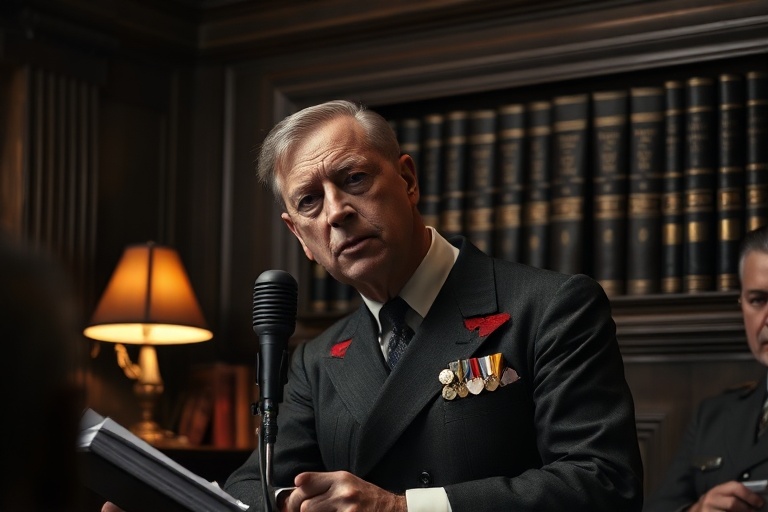
The film contrasts the king’s initial hesitancy with his eventual mastery of public speaking. His first radio broadcast, addressing the nation as war breaks out, becomes a defining moment. The tension in his delivery reflects the weight of his responsibility, while his eventual success underscores the importance of preparation and authenticity in leadership.
This theme is particularly relevant today, as leaders across various fields grapple with conveying their messages in an era dominated by social media and instant communication. The King’s Speech serves as a reminder that effective leadership requires not only competence but also the ability to connect emotionally with an audience.
The Dynamic Between King and Therapist
The relationship between King George VI and Lionel Logue is central to the film’s narrative. Their bond is built on mutual respect and a shared commitment to overcoming the king’s speech impediment. Logue’s unorthodox methods, including psychological techniques and even hypnosis, challenge traditional approaches to speech therapy. His insistence on treating the king as an equal, rather than a royal figure, creates a dynamic that is both refreshing and inspiring.
This partnership highlights the importance of finding the right support system, whether in personal or professional contexts. For those struggling with similar challenges, the film offers a powerful message: progress often comes from stepping outside conventional boundaries and embracing vulnerability.
Geoffrey Rush’s portrayal of Logue is particularly noteworthy for its sensitivity and depth. He avoids caricature, instead presenting a character who is both professional and deeply empathetic. This balance makes their relationship feel authentic and relatable, reinforcing the film’s themes of perseverance and human connection.
The Film’s Broader Cultural Impact
Beyond its awards and critical acclaim, The King’s Speech has left a lasting mark on popular culture. It has been studied in educational settings for its historical insights and its portrayal of mental health struggles. The film also sparked discussions about the representation of disability in media, as it sheds light on the often-overlooked challenges faced by individuals with speech impediments.
The movie’s success has led to increased interest in the real-life figures it depicts. Books, documentaries, and even stage adaptations have explored the story further, demonstrating its enduring appeal. For those interested in diving deeper into the historical context, Dave’s Locker’s history section offers additional resources and insights.
The King’s Speech also resonates with contemporary audiences due to its themes of resilience and personal growth. In a world where public figures are often expected to project infallibility, the film’s portrayal of a leader grappling with vulnerability feels refreshingly human. It challenges the notion that perfection is a prerequisite for success, instead championing authenticity and perseverance.
Lessons for Modern Audiences
The King’s Speech offers several lessons that remain relevant today. For aspiring leaders, it highlights the importance of self-awareness and the willingness to seek help. King George VI’s journey demonstrates that even those in positions of power face personal challenges, and addressing them can lead to greater effectiveness.
The film also underscores the role of mentorship and support systems. Logue’s guidance is instrumental in the king’s transformation, illustrating how collaboration and trust can lead to meaningful change. This theme is particularly pertinent in professional settings, where mentorship often plays a critical role in career development.
Finally, The King’s Speech reminds us of the power of storytelling. The king’s ability to connect with his audience through speech is a testament to the impact of well-crafted communication. In an era where information is abundant but attention spans are short, the film’s emphasis on clarity and emotional resonance is more relevant than ever.
Conclusion: Why The King’s Speech Endures
The King’s Speech is more than just a historical drama; it is a story about overcoming adversity, the importance of communication, and the transformative power of support. Its enduring appeal lies in its ability to connect with audiences on multiple levels, whether as a historical narrative, a study in leadership, or a testament to personal growth.
The film’s legacy is further cemented by its timeless themes. In a world where public figures are often scrutinized for their flaws, The King’s Speech offers a refreshing perspective. It reminds us that vulnerability is not a weakness but a strength, and that true leadership is built on authenticity and resilience.
For those seeking inspiration or a deeper understanding of the power of speech, The King’s Speech remains an essential watch. Its message transcends time, offering valuable lessons for anyone striving to overcome their own challenges and connect meaningfully with others.