The Meaning and Evolution of Season Tickets in Global Sports
What Season Tickets Mean in Sports Culture
Season tickets represent more than just a way to attend games—they are a commitment to a team, a city, and a shared experience. This tradition dates back over a century in professional sports, evolving from simple passes to complex loyalty programs. Today, season ticket holders are often seen as the lifeblood of franchises, shaping atmospheres and driving revenue.
Globally, the concept varies widely. In North America, major sports leagues like the NFL, NBA, and MLB rely heavily on season ticket sales to fund operations and secure long-term fan engagement. European football clubs, meanwhile, blend tradition with modern membership models, offering fans a sense of belonging akin to community membership. In Japan, corporate season ticket ownership remains a cultural staple, reflecting business networking customs.
The Financial and Social Value of Season Tickets
For franchises, season tickets provide predictable revenue streams, reducing financial uncertainty. Teams often offer discounts, exclusive perks, and priority access to mitigate the high upfront cost for fans. In return, organizations gain loyal supporters who attend games regardless of performance, boosting stadium energy and local economies.
Socially, season ticket holders form tight-knit communities. Tailgating before games, pre-match gatherings in stadium clubs, and post-event discussions create bonds that transcend the sport itself. These relationships are particularly strong in college sports, where season ticket culture fosters school spirit and alumni engagement.
Globally, the value proposition differs:
- North America: High-cost, high-reward model with resale markets and luxury suites.
- Europe: Low-cost memberships with fan ownership structures in clubs like FC Barcelona.
- Asia: Corporate-driven purchases tied to business entertainment allowances.
- Australia: Family-oriented packages that prioritize accessibility over exclusivity.
The Evolution of Season Ticket Models
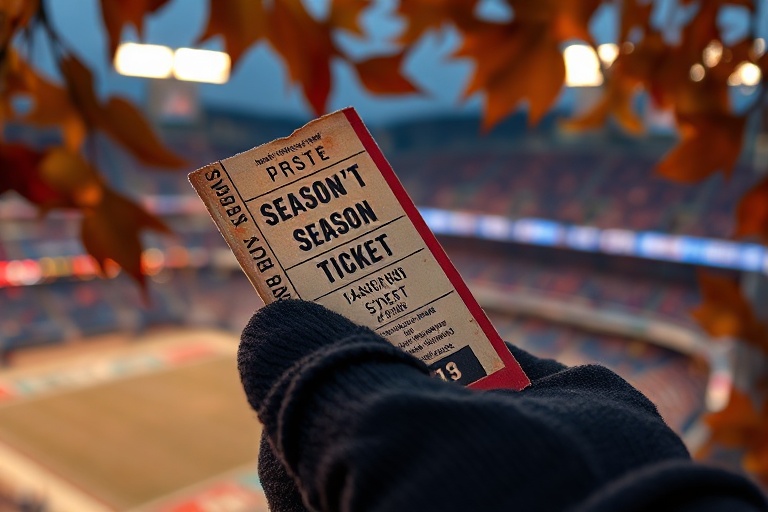
Traditional paper tickets have given way to digital passes, dynamic pricing, and flexible subscription services. Teams now experiment with tiered memberships, allowing fans to choose commitment levels. Some leagues offer “partial season” plans to cater to casual attendees, while others introduce blockchain-based ticketing to combat fraud and scalability issues.
Innovation extends to fan experiences. Virtual reality pre-game shows, augmented reality player stats, and mobile app integrations enhance the season ticket holder’s journey. Clubs like the Golden State Warriors and Manchester City have pioneered these integrations, blending technology with tradition.
Cultural shifts also influence demand. Sustainability concerns have led some venues to adopt paperless ticketing and carbon-offset programs. Meanwhile, younger fans prioritize digital engagement over physical attendance, prompting teams to rethink traditional models entirely.
The Challenges and Future of Season Tickets
Despite their benefits, season tickets face challenges. Rising costs deter younger and lower-income fans, threatening long-term fanbase diversity. Economic downturns and global events like pandemics have forced teams to rethink rigid contracts, introducing more flexible terms.
Looking ahead, personalization will drive the next wave of season ticket evolution. AI-driven recommendations, loyalty points redeemable for merchandise, and even player meet-and-greet lotteries could redefine fan rewards. Clubs may also explore hybrid models, blending in-person attendance with digital viewership rights.
One thing remains clear: season tickets will continue to evolve, but their core purpose—fostering connection and commitment—will endure. Whether through digital passes or grassroots loyalty programs, the bond between fans and teams persists.
Conclusion
Season tickets are more than financial transactions; they are cultural artifacts that reflect the values and priorities of sports communities worldwide. From the corporate boxes of Tokyo to the family stands of Melbourne, they create shared memories and sustain the spirit of competition. As technology and fan expectations evolve, the season ticket will adapt—but its role in uniting people through sport will never fade.