United Flight 579 Diversion Explained: Timeline, Causes & Safety Insights
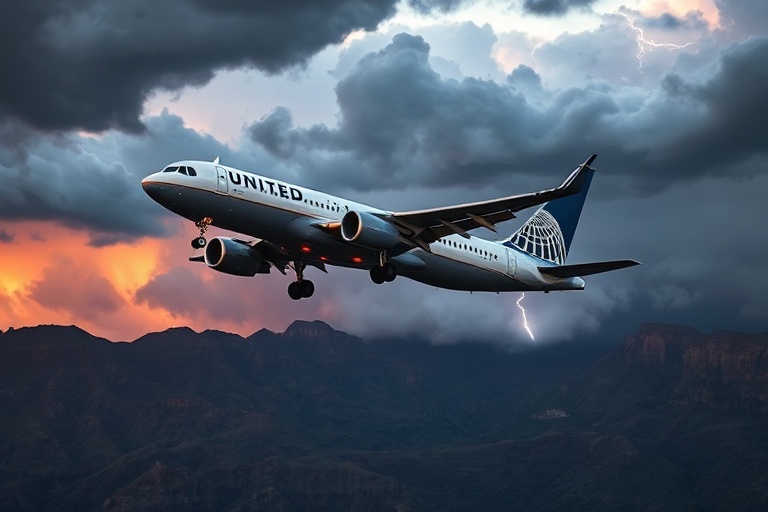
On a routine Tuesday afternoon, United Airlines Flight 579 became the center of attention when it executed an emergency diversion to Denver International Airport. The Boeing 737-800, operating a scheduled service from Las Vegas to Chicago O’Hare, encountered an unspecified technical issue approximately 90 minutes into the flight. While details remain limited, aviation authorities and airline officials have confirmed that the aircraft landed safely with no reported injuries to passengers or crew.
The incident unfolded just after 3:15 PM local time, when the flight crew declared an emergency with air traffic control. According to preliminary reports, the pilots opted to divert to Denver rather than continue to Chicago, prioritizing passenger safety. Ground crews were already preparing for the aircraft’s arrival as it touched down at 3:47 PM, nearly two hours ahead of its original schedule.
Timeline of Events: From Takeoff to Landing
Flight 579 departed Harry Reid International Airport in Las Vegas at 1:30 PM local time, carrying 142 passengers and six crew members. The aircraft climbed to its cruising altitude of 36,000 feet without incident. At approximately 3:05 PM, the flight crew received an alert indicating a potential issue with one of the aircraft’s systems. While the exact nature of the problem has not been disclosed, aviation experts suggest it may have involved either hydraulic, electrical, or pressurization concerns.
The pilots immediately contacted air traffic control and requested a diversion to the nearest suitable airport. Denver International Airport was selected due to its proximity and the availability of emergency services. The flight crew then initiated a controlled descent, ensuring the aircraft remained stable throughout the process.
As Flight 579 approached Denver, air traffic controllers coordinated with emergency response teams on the ground. The runway was cleared, and firefighting vehicles were positioned as a precautionary measure. The aircraft landed without further incident, and passengers were deplaned via stairs approximately 20 minutes after touchdown.
Passenger Experience: A Mix of Concern and Relief
Passengers aboard Flight 579 described a mix of concern and calm during the diversion. Many reported hearing the pilots make routine announcements about the situation, though details were vague at the time. “We were told there was a minor technical issue, and the pilots were handling it,” said one passenger who requested anonymity. “There wasn’t any panic on the plane, but people were definitely paying attention.”
Once the aircraft landed, passengers were met by airport staff and provided with updates. United Airlines arranged for alternative transportation to Chicago, with some passengers opting to rebook flights for the following day. The airline has not yet released specific details about compensation or accommodations for affected travelers, though industry standards typically include meal vouchers, hotel stays, and rebooking fees waived.
Investigation Underway: What Happened to Flight 579?
The Federal Aviation Administration (FAA) and the National Transportation Safety Board (NTSB) have opened investigations into the incident. While the exact cause of the diversion remains unclear, aviation analysts point to several potential scenarios. The most common causes for such diversions include engine malfunctions, hydraulic failures, or cabin pressurization issues. In this case, experts speculate that the problem may have been related to the aircraft’s auxiliary power unit (APU) or an electrical system failure.
United Airlines has stated that it is cooperating fully with the investigation and will conduct its own internal review. The aircraft involved, a Boeing 737-800 with registration number N37251, has been grounded pending further assessment. The airline has not indicated whether the issue is isolated to this specific aircraft or part of a broader fleet concern.
Aviation safety records show that Boeing 737-800s have a strong safety track record, with relatively few incidents involving major diversions. However, this event serves as a reminder of the importance of rigorous maintenance and pre-flight checks. Airlines are required to perform daily inspections and adhere to strict maintenance schedules, but even the most meticulous protocols cannot eliminate the possibility of mechanical issues.
Broader Implications: What This Means for Air Travel
The diversion of United Flight 579 raises broader questions about airline safety protocols and passenger confidence. While incidents like this are rare, they can have a significant impact on public perception. Airlines work diligently to maintain transparency and trust, but the nature of such events often leads to speculation and concern.
For United Airlines, this incident comes at a time when the carrier is focused on rebuilding its reputation following a series of high-profile service disruptions in recent years. The airline has invested heavily in pilot training, maintenance upgrades, and customer service initiatives. This diversion, while unfortunate, provides an opportunity to demonstrate the company’s commitment to safety and accountability.
Aviation experts emphasize that diversions are not uncommon and are often a sign of prudent decision-making. “Pilots are trained to prioritize safety above all else,” said an industry analyst. “A diversion is not an admission of failure but a demonstration of responsible aviation practices.”
How Diversions Are Handled: A Behind-the-Scenes Look
Behind every successful emergency landing is a well-coordinated effort involving pilots, air traffic controllers, ground crews, and emergency responders. When a flight crew declares an emergency, they follow a standardized procedure that includes notifying air traffic control, assessing the situation, and selecting the most appropriate diversion airport. The decision is based on factors such as runway length, emergency services availability, and proximity to the aircraft’s current location.
Once a diversion is initiated, air traffic controllers work to clear the flight path and prioritize the aircraft’s landing. Ground crews at the diversion airport prepare for the aircraft’s arrival by positioning emergency vehicles, medical personnel, and deplaning equipment. In the case of Flight 579, Denver International Airport’s extensive facilities and experienced staff played a crucial role in ensuring a smooth and safe landing.
The aftermath of a diversion involves a thorough assessment of the aircraft and any necessary repairs. Passengers are typically provided with updates and alternative travel arrangements. Airlines may also conduct interviews with passengers and crew to gather additional information about the incident.
What Passengers Should Know About Emergency Diversions
For travelers, understanding the process of an emergency diversion can help alleviate anxiety during such events. The first step is to remain calm and follow the instructions of the flight crew. Passengers should pay attention to announcements and avoid unnecessary movements during the diversion.
Once the aircraft has landed, passengers should be prepared for a delay as ground crews assess the situation. Airlines are required to provide updates and assistance, including meal vouchers, hotel accommodations, and rebooking options. Passengers should keep their boarding passes and any receipts for expenses incurred during the disruption.
It’s also important to note that not all diversions are the result of mechanical issues. Weather conditions, medical emergencies, or security concerns can also necessitate a diversion. Airlines prioritize the safety and well-being of passengers, and diversions are a critical tool in achieving that goal.
Travelers can stay informed about their flight status by checking the airline’s website or mobile app. In the event of a diversion, airlines typically send notifications to affected passengers as soon as possible. However, in situations where communication is limited, passengers should remain patient and follow the guidance of airline staff.
Conclusion: A Reminder of Aviation’s Commitment to Safety
The diversion of United Flight 579 serves as a reminder of the complexities and challenges of modern air travel. While incidents like this are rare, they highlight the dedication of pilots, crew members, and aviation professionals to ensuring passenger safety. Airlines, regulators, and industry experts continue to work together to minimize risks and improve safety standards.
For passengers, events like this can be unsettling, but it’s important to remember that diversions are a testament to the industry’s commitment to safety. Airlines invest heavily in training, technology, and maintenance to prevent incidents, and when issues do arise, they are addressed with urgency and professionalism.
As the investigation into Flight 579 continues, the aviation community will closely examine the circumstances surrounding the diversion. In the meantime, passengers can take comfort in knowing that the industry’s robust safety protocols are designed to handle even the most challenging situations.
For those interested in learning more about aviation safety or airline operations, Dave’s Locker Travel offers a range of resources and insights. Whether you’re a frequent flyer or simply curious about the inner workings of the airline industry, staying informed is the best way to navigate the skies with confidence.