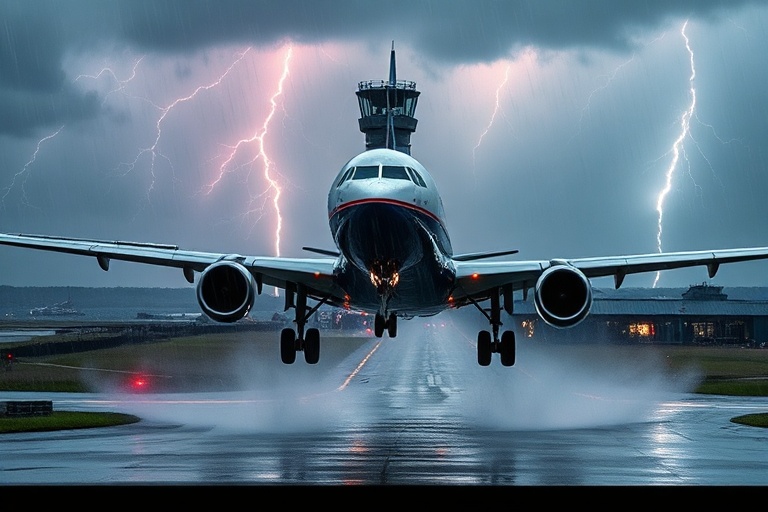
United Flight 579 Diversion: What Went Wrong and Why It Matters
On a routine Tuesday afternoon, United Airlines Flight 579 from Chicago O’Hare International Airport to Los Angeles International Airport became the center of attention when air traffic control directed the Boeing 737-800 to make an unplanned stop in Denver. The diversion occurred just over an hour into the six-hour flight, leaving passengers and aviation experts alike searching for answers. While the situation unfolded rapidly, initial reports suggest a technical issue prompted the landing, though United Airlines has not yet disclosed the specific nature of the problem.
The aircraft, registration number N37255, lifted off from ORD at 2:15 PM local time under clear weather conditions. According to the Federal Aviation Administration (FAA), air traffic controllers received a call from the flight crew at 3:22 PM reporting an unspecified mechanical concern. The crew requested to divert to Denver International Airport (DEN), which was granted immediately due to its proximity and available emergency resources. The plane touched down safely at 3:47 PM, where emergency services were placed on standby until the aircraft was cleared for taxiing to a gate.
Timeline of Events: How the Diversion Unfolded
The sequence of events during Flight 579’s diversion reveals a textbook example of crisis management in commercial aviation. Within minutes of the crew’s announcement, passengers were briefed on the situation while flight attendants began securing the cabin for landing. The pilots maintained constant communication with air traffic control, ensuring minimal disruption to other flights in the area.
A detailed timeline of the incident includes:
- 2:15 PM CT: United Flight 579 departs Chicago O’Hare, bound for Los Angeles.
- 3:22 PM CT: Flight crew contacts air traffic control to report a technical issue, requesting an immediate diversion to Denver.
- 3:28 PM CT: Denver International Airport acknowledges the request and begins preparing emergency services as a precaution.
- 3:47 PM CT: The aircraft lands safely at DEN without incident. Emergency crews remain on standby as the plane taxis to a gate.
- 4:15 PM CT: Passengers begin disembarking while maintenance teams assess the aircraft’s condition.
- 5:30 PM CT: United Airlines issues a statement confirming the diversion was precautionary and no injuries were reported.
While the FAA has not yet released a formal incident report, aviation analysts point to the crew’s swift response as a testament to their training. Commercial pilots undergo rigorous simulations for mechanical failures, ensuring they can react effectively under pressure. The fact that the plane landed safely without any reported injuries speaks to both the crew’s professionalism and the aircraft’s design redundancy.
Passenger Experience: A Flight They Won’t Soon Forget
The sudden diversion left passengers with a mix of emotions—from initial confusion to relief upon landing. Many travelers took to social media within hours of the event, sharing their experiences and speculating about the cause of the diversion. While some described the situation as “unsettling,” others praised the crew’s calm demeanor and clear communication throughout the process.
One passenger, who asked to remain anonymous, described the moment the crew announced the diversion: “The flight attendants were incredibly professional. They reassured us that everything was under control and that we were being diverted for safety reasons. It was a bit jarring, but their composure made all the difference.” Another traveler shared a video of the landing, noting the smooth touchdown despite the unexpected circumstances.
For those whose travel plans were disrupted, United Airlines arranged accommodations for the night in Denver. While some passengers opted to rebook on alternative flights, others chose to wait for the aircraft to be inspected and cleared for service. The airline’s response time in addressing passenger concerns has since become a topic of discussion among frequent flyers.
United Airlines has not yet released details about compensation for affected passengers, though industry standards typically include meal vouchers, hotel stays, and rebooking fees waived. The airline’s handling of the situation will likely be scrutinized in the coming days as more information becomes available.
Why Diversions Happen: Understanding the Mechanics Behind the Decision
Flight diversions are rare but not uncommon in commercial aviation. They occur when a crew determines that continuing to the original destination would compromise safety. While the specific reason for Flight 579’s diversion remains undisclosed, common causes include mechanical issues, medical emergencies, or adverse weather conditions.
Mechanical concerns often involve problems with critical systems such as the landing gear, hydraulics, or engine performance. In some cases, pilots may detect anomalies that aren’t immediately dangerous but warrant precautionary measures. The decision to divert is never made lightly, as it involves additional costs, logistical challenges, and potential delays for hundreds of passengers.
According to data from the FAA, the majority of diversions are precautionary rather than emergencies. In 2023 alone, U.S. airlines reported over 1,200 diversions, with the highest frequency attributed to mechanical issues (34%), followed by weather (28%) and medical emergencies (19%). The remaining cases involved crew-related concerns, passenger behavior, or other unspecified reasons.
For Flight 579, the most likely scenarios include:
- A potential issue with the aircraft’s pressurization system, which could affect cabin conditions.
- A hydraulic or landing gear malfunction, requiring visual inspection upon landing.
- A minor engine problem that doesn’t pose an immediate threat but warrants further evaluation.
Regardless of the cause, the decision to divert is always prioritized over continuing the flight. Pilots are trained to err on the side of caution, even if it means inconveniencing passengers. This approach has contributed to the remarkable safety record of commercial aviation over the decades.
What Happens Next? The Path Forward for Flight 579
As of now, United Airlines has not provided an update on when Flight 579 will resume service. The aircraft remains at Denver International Airport while maintenance teams conduct a thorough inspection. Depending on the findings, the plane may be cleared for service within hours or require extended repairs.
Passengers impacted by the diversion have been offered rebooking options on alternative flights, either the same day or in the coming days. United’s customer service teams are reportedly working to accommodate affected travelers, though long wait times have been reported at some airports. The airline has also set up a dedicated hotline for inquiries related to the incident.
For aviation enthusiasts and industry observers, the incident raises questions about the frequency of such events and the protocols in place to handle them. While diversions are statistically uncommon, they serve as a reminder of the complexities of modern air travel. The seamless coordination between pilots, air traffic control, and ground crews ensures that even unexpected situations are managed with precision.
United Airlines has a strong safety record, and this incident is unlikely to alter that reputation. However, the airline’s transparency in the coming days will be crucial in maintaining passenger trust. As more details emerge, both the FAA and United Airlines are expected to provide further clarity on the cause of the diversion and any preventive measures being implemented.
Key Takeaways for Travelers
For those who frequently fly with United Airlines or any major carrier, Flight 579’s diversion serves as a useful case study in crisis management. Here are a few lessons to keep in mind:
- Stay Informed: Pay attention to crew announcements and follow their instructions during unexpected situations.
- Have a Backup Plan: Always check your airline’s policies on diversions and compensation before traveling.
- Remain Calm: Diversions are rare but are handled with the utmost professionalism by trained crews.
- Document Your Experience: If you’re affected by a diversion, keep receipts and notes for potential reimbursement claims.
While Flight 579’s diversion was undoubtedly stressful for those on board, it also highlighted the resilience and preparedness of the aviation industry. As investigations continue, the focus remains on ensuring that safety protocols are followed and that passengers are kept informed every step of the way.
“The priority in any aviation incident is safety, and the crew’s swift response ensured that this diversion was handled without incident. Diversions are a testament to the rigorous training and protocols that keep air travel one of the safest modes of transportation.” — Aviation Safety Expert
As the story of United Flight 579 continues to develop, one thing is clear: the aviation industry’s commitment to safety and transparency remains unwavering. For passengers, the experience serves as a reminder of the incredible coordination that goes into every flight, even when things don’t go as planned.
For more insights into aviation safety and travel news, visit our Travel and News sections.