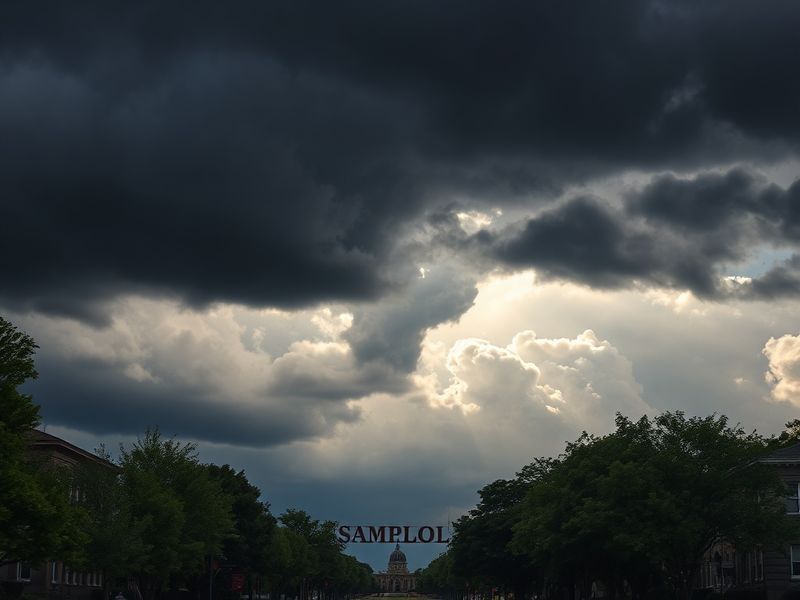
Bloomington, Indiana, experiences a humid continental climate with four distinct seasons, each offering its own unique challenges and charms. Located in the southern part of the state, the city sits within the unglaciated region of the Midwest, which contributes to its varied weather patterns. From frigid winters to humid summers, residents and visitors alike must adapt to a climate that demands flexibility and preparation.
Seasonal Breakdown: What to Expect
Spring in Bloomington arrives gradually, often marked by unpredictable shifts between warm afternoons and chilly evenings. March can still bring freezing temperatures, while April and May warm up significantly, though sudden thunderstorms become more frequent. The city’s proximity to the Ohio River Valley means that spring weather can swing dramatically, from sunshine to severe weather within hours.
Summer arrives in full force by June, bringing high humidity and temperatures that often climb into the 80s and 90s. July and August are the hottest months, with heat indices sometimes pushing temperatures above 100°F. The city’s urban heat island effect, combined with its rolling hills and dense tree cover, can make outdoor activities particularly taxing during midday. Despite the heat, summer remains a vibrant time in Bloomington, thanks to outdoor festivals and the presence of Indiana University students.
Fall brings crisp air and vibrant foliage, with September and October offering some of the most pleasant weather of the year. Temperatures steadily cool, and the humidity drops, making it ideal for hiking in nearby state parks like Brown County or McCormick’s Creek. However, fall also introduces the first frost dates, which typically occur in late October, signaling the transition to winter.
Winter in Bloomington is cold and often snowy, though snowfall amounts vary significantly from year to year. The city averages around 20 inches of snow annually, with January being the snowiest month. Ice storms are also a concern, as they can disrupt travel and cause power outages. Despite the challenges, winter has its own appeal, particularly for those who enjoy cozy indoor activities and the occasional winter sports.
Extreme Weather Events: Preparedness and Response
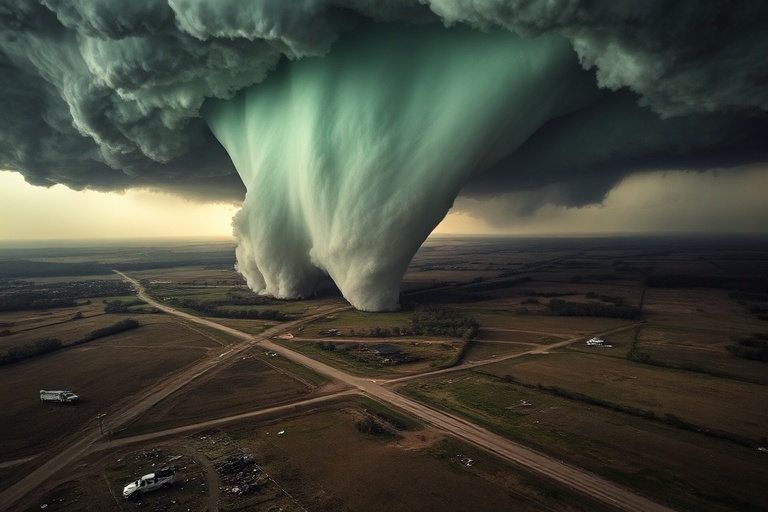
Bloomington is no stranger to extreme weather, from tornadoes to flash floods. The city lies within the southern edge of the traditional “Tornado Alley,” though direct hits are relatively rare. However, the region has experienced significant tornado activity, including an EF-4 tornado that touched down near the town of Ellettsville in 2012. Such events highlight the importance of staying informed through local weather alerts and having a plan in place.
Flooding is another concern, particularly along the Clear Creek and Beanblossom Creek watersheds. Heavy rainfall, often associated with thunderstorms or remnants of tropical systems, can lead to flash flooding that disrupts roads and businesses. In 2015, Bloomington experienced severe flooding that caused millions of dollars in damage, underscoring the need for improved drainage systems and emergency response strategies.
Heat waves and severe thunderstorms are also common during the warmer months. The National Weather Service issues warnings for excessive heat, particularly for vulnerable populations such as the elderly and those without access to air conditioning. Thunderstorms, while often brief, can produce damaging winds, hail, and even isolated tornadoes. Residents are encouraged to monitor local forecasts and have multiple ways to receive alerts, such as weather radios or smartphone apps.
To stay prepared, Bloomington relies on a combination of local emergency management, the National Weather Service, and community outreach programs. The city’s Outdoors community often shares real-time updates during outdoor events, while local media outlets provide continuous coverage during severe weather events.
Local Impact: How Weather Shapes Life in Bloomington
The weather in Bloomington has a profound impact on daily life, from agriculture to education. The city’s economy, particularly its farming sector, is heavily influenced by seasonal changes. Corn and soybean crops depend on timely rainfall, while droughts can devastate local yields. Farmers in the region use advanced irrigation techniques and drought-resistant crops to mitigate these risks, but unpredictable weather still poses challenges.
Indiana University, a major economic driver in Bloomington, is also affected by the weather. Snowstorms can disrupt classes and campus events, while extreme heat can impact outdoor athletic practices. The university’s facilities management team works year-round to maintain infrastructure and ensure the safety of students and staff. During severe weather, the university follows a well-defined emergency protocol, including closing buildings and canceling classes when necessary.
Recreation and tourism are other sectors that rely on favorable weather. Bloomington’s outdoor attractions, such as the B-line Trail and Lake Griffy Nature Preserve, see increased visitation during mild weather. However, excessive heat or heavy rain can limit outdoor activities, affecting local businesses that depend on tourism revenue. The city’s parks department and tourism bureau often promote seasonal events, such as fall festivals or winter holiday markets, to attract visitors regardless of the weather.
For outdoor enthusiasts, Bloomington offers a diverse range of activities year-round. Spring and fall are ideal for hiking and biking, while winter attracts cross-country skiers and snowshoers to nearby trails. Summer brings water-based activities, such as kayaking on Griffy Lake or tubing on the East Fork of the White River. Local outfitters and guides provide equipment rentals and guided tours, catering to both beginners and experienced adventurers.
Climate Trends: What the Data Reveals
Over the past few decades, Bloomington has seen subtle but noticeable changes in its climate. Average temperatures have risen slightly, particularly in the winter months, which some researchers attribute to broader climate trends. Precipitation patterns have also shifted, with heavier rainfall events becoming more frequent. These changes have prompted local officials to reassess infrastructure plans, such as stormwater management systems, to better handle increased rainfall.
Data from the National Oceanic and Atmospheric Administration (NOAA) shows that Bloomington’s average annual temperature has increased by about 1.5°F since the 1970s. While this may seem minor, even small changes can have significant effects on ecosystems and agriculture. For example, the growing season has lengthened by several days, allowing for earlier planting and harvesting in some cases. However, this also extends the period during which pests and invasive species can thrive.
Another trend is the increase in the number of days with temperatures above 90°F. Historically, Bloomington experienced around 10 such days per year, but recent data suggests this number has risen to closer to 15. This shift has implications for public health, particularly for those without access to cooling centers. Local health departments have begun to emphasize heat safety and provide resources for residents during extreme heat events.
Climate projections for the coming decades suggest that these trends will continue. Models predict warmer temperatures, more intense rainfall events, and a higher likelihood of drought during the growing season. These changes will require proactive planning from local governments, businesses, and residents to ensure resilience in the face of a shifting climate.
Conclusion: Embracing Bloomington’s Weather
Bloomington’s weather is as dynamic as its community, offering both challenges and opportunities. Whether it’s the vibrant colors of fall, the warmth of summer festivals, or the quiet beauty of a snowy winter, each season brings something unique to the city. By staying informed and prepared, residents and visitors can fully embrace the ever-changing climate and all that it has to offer.
For those looking to explore Bloomington’s outdoor offerings, the Outdoors section on Dave’s Locker provides guides, tips, and recommendations for making the most of the city’s natural beauty. Whether you’re a seasoned hiker or a casual visitor, Bloomington’s weather is an integral part of the experience—one that should be approached with curiosity, respect, and a willingness to adapt.