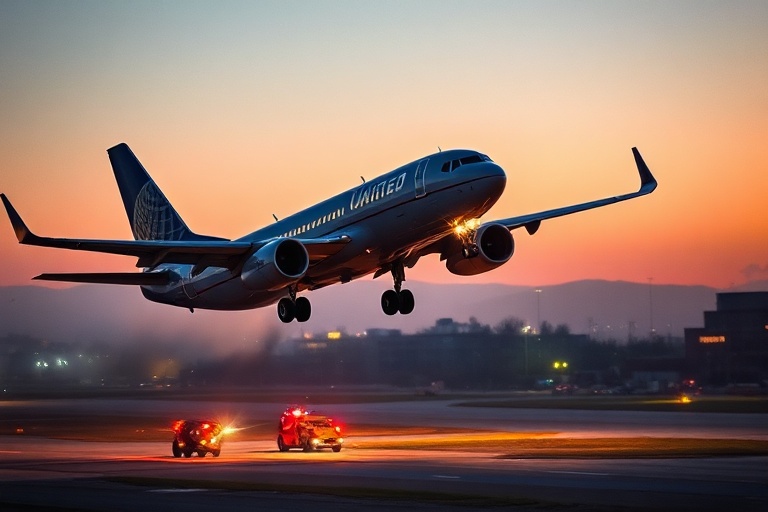
United Flight 579 Emergency Landing: What We Know So Far
On a routine Tuesday afternoon, United Airlines Flight 579 from Las Vegas to Chicago found itself making an unscheduled stop in Denver. The Boeing 737-800, carrying 142 passengers and six crew members, declared an emergency shortly after takeoff due to an unspecified mechanical issue. Flight tracking data showed the aircraft circling over Colorado for nearly 45 minutes before landing safely at Denver International Airport just after 3:30 PM local time.
The Federal Aviation Administration confirmed the diversion but declined to provide further details, citing an active investigation. Passengers later reported hearing a loud noise from the rear of the plane shortly after departure. One traveler told local reporters, “It sounded like metal scraping. We didn’t know if we were going to make it.” The plane was met by emergency vehicles upon arrival, though no injuries were reported.
The Sequence of Events
The drama unfolded just 20 minutes into what should have been a standard 3.5-hour flight. Initial reports suggest the crew detected a potential hydraulic or landing gear issue. Here’s how the situation developed:
- 1:47 PM: United Flight 579 departs Harry Reid International Airport in Las Vegas.
- 1:52 PM: Crew declares an emergency and requests immediate descent.
- 2:05 PM: Plane begins circling over the Rocky Mountains to burn off fuel.
- 2:50 PM: Air traffic control directs the aircraft to Denver International Airport.
- 3:33 PM: Flight 579 lands safely without further incident.
While the FAA has not released a cause, aviation experts point to several common factors that could trigger such diversions. Hydraulic system malfunctions, landing gear failures, or even minor engine issues often lead to similar precautionary measures. This incident follows a pattern of increased scrutiny around airline safety protocols in 2024.
Broader Implications for Airline Safety
This diversion comes at a time when airlines face mounting pressure to address maintenance backlogs and pilot shortages. The FAA has logged a 15% increase in emergency landings in the first half of 2024 compared to the same period last year. While the majority of these incidents resolve without harm, each one raises questions about industry-wide preparedness.
United Airlines has not commented beyond confirming the emergency landing. However, the carrier has recently expanded its maintenance workforce by 8% to address growing concerns. Industry analysts note that while diversions are statistically rare, their frequency appears to be climbing alongside the broader travel boom post-pandemic.
Key concerns emerging from this incident include:
- Preventive maintenance delays: Some mechanics report pressure to rush inspections due to flight schedule demands.
- Pilot training gaps: Newly certified pilots may lack experience handling complex emergency scenarios.
- Regulatory oversight: The FAA’s inspector-to-airline ratio has declined by 12% since 2020.
- Passenger communication: Many travelers expressed frustration over delayed updates during the crisis.
What Happens Next?
The aircraft remains grounded in Denver as investigators examine its systems. The NTSB has dispatched a team to review flight data recorders and interview crew members. Preliminary reports suggest the issue may have been related to a faulty sensor rather than a structural problem, though this remains unconfirmed.
Affected passengers were accommodated on subsequent flights, with some opting for alternative transportation. United has offered meal vouchers and compensation for reasonable expenses incurred during the delay. The airline’s customer service lines reportedly received an influx of calls, with wait times exceeding two hours at peak moments.
For the aviation industry, this incident serves as another data point in an ongoing debate about safety versus efficiency. While airlines argue that modern aircraft are safer than ever, critics contend that cost-cutting measures may be eroding the margin of safety. The outcome of the NTSB investigation could influence future regulations or maintenance schedules across the industry.
Lessons for Travelers
Incidents like Flight 579’s diversion highlight the importance of travel insurance and flexible booking options. Experts recommend checking airline safety records before booking, particularly for older aircraft models. The FAA’s website provides access to air carrier performance data, though interpreting this information requires some effort.
Travelers should also familiarize themselves with their rights during flight disruptions. The Department of Transportation mandates compensation for certain delays, though the specifics vary based on the cause. Keeping receipts for meals and accommodations during extended stops can streamline reimbursement processes.
For those concerned about safety, booking direct flights with newer aircraft may reduce risk factors. However, even the most advanced planes can experience issues. The key lies in preparation and understanding that while air travel remains statistically safe, diversions are an unavoidable reality of modern aviation.
As the investigation continues, one thing is clear: the skies remain as dynamic as ever. Airlines, regulators, and passengers must all play their part in ensuring that safety remains the top priority, even as schedules grow tighter and margins grow thinner.
Further Reading
For more on airline industry trends and safety protocols, explore these related articles on Dave’s Locker: