Texas Weather Guide: Heatwaves, Tornadoes & Forecasts
The weather in Texas doesn’t just change—it transforms. Within a single day, temperatures can swing from scorching heat to sudden storms, reflecting the state’s vast geographical diversity and its position on the global climate stage. From the arid stretches of West Texas to the humid Gulf Coast, weather patterns here tell a story of extremes that affect millions of residents and visitors alike.
Understanding Texas weather requires more than checking a daily forecast. It demands an appreciation for how global climate systems interact with local topography, creating conditions that can shift as unpredictably as the state’s cultural landscape. Whether you’re planning outdoor activities, tracking severe weather alerts, or simply curious about regional climate trends, staying informed about Texas weather patterns is essential.
The Science Behind Texas Weather Patterns
Texas occupies a unique position in North America’s weather matrix. The state stretches across multiple climate zones, from the subtropical humidity of the Piney Woods in the east to the semi-arid conditions of the High Plains in the west. This geographical diversity creates a mosaic of weather phenomena that meteorologists study closely.
Several key factors influence Texas weather:
- Gulf of Mexico moisture: The warm waters of the Gulf fuel tropical systems and contribute to heavy rainfall events, particularly in East and South Texas.
- Rocky Mountains influence: Storm systems moving eastward from the Rockies often intensify as they cross Texas, leading to severe thunderstorms and tornado outbreaks.
- Desert air from the southwest: Hot, dry air masses from Mexico and the Southwest can create dangerous heatwaves and drought conditions, especially in West Texas.
- Jet stream dynamics: The position of the polar and subtropical jet streams plays a crucial role in determining whether Texas experiences cold snaps, severe weather, or prolonged dry periods.
These competing air masses create a dynamic weather environment that keeps meteorologists on their toes. The National Weather Service’s Southern Region headquarters in Fort Worth coordinates closely with local forecast offices to provide accurate, timely warnings for the state’s 254 counties.
Seasonal Extremes: What to Expect Throughout the Year
Texas experiences four distinct seasons, each with its own weather challenges and opportunities. The seasonal transitions often bring dramatic shifts that can catch residents off guard.
Winter: Cold Fronts and Rare Snow
Winter in Texas is typically mild compared to northern states, but cold fronts can drop temperatures rapidly. Ice storms occasionally paralyze major cities like Dallas and Houston, while the Texas Panhandle may experience blizzard conditions. Snowfall is rare in most regions, though the Texas Hill Country and San Antonio area can see occasional winter weather events that disrupt daily life.
Spring: Severe Weather Season
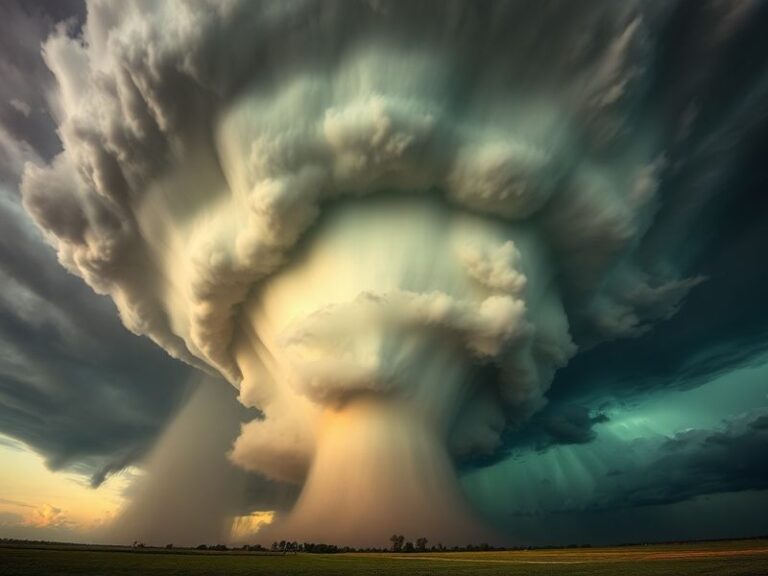
March through May marks the peak of severe weather in Texas. Warm, moist air from the Gulf collides with cold fronts from the north, creating an environment ripe for supercell thunderstorms. Tornadoes are most common during this period, particularly in North Texas and the Red River Valley. The Science behind these storms fascinates meteorologists worldwide, as Texas serves as a natural laboratory for studying severe convective systems.
Summer: Heat and Humidity
Texas summers are legendary for their intensity. Temperatures frequently exceed 100°F (38°C) across the state, with heat indices pushing even higher in humid regions like Houston. The urban heat island effect amplifies temperatures in major cities, creating dangerous conditions for vulnerable populations. Meanwhile, drought conditions can develop quickly, affecting agriculture and water supplies. The state’s reliance on air conditioning during summer months has made energy demand a critical weather-related concern.
Fall: Transition and Hurricane Season
Autumn brings a welcome respite from summer’s heat, but also introduces new weather hazards. Hurricane season peaks in September, with storms occasionally making landfall along the Texas coast. Fall cold fronts can trigger severe weather, including flash flooding in urban areas. The changing foliage in the Texas Hill Country provides a visual contrast to the state’s dramatic weather shifts, drawing visitors from around the world to witness nature’s annual transformation.
Tracking Texas Weather: Tools and Resources
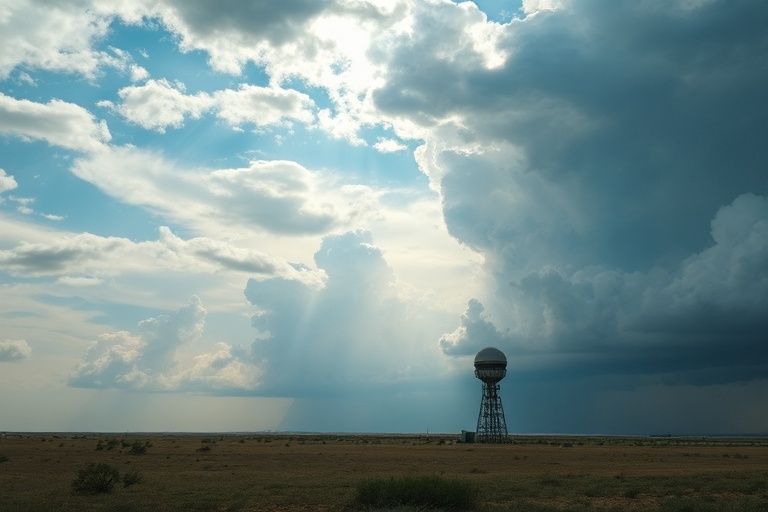
Staying ahead of Texas weather requires access to reliable forecasting tools and real-time data. The state benefits from one of the most advanced meteorological observation networks in the world, combining satellite imagery, radar technology, and ground-based sensors.
Key resources for tracking Texas weather include:
- National Weather Service: The NWS provides official forecasts, warnings, and climate data through its network of local forecast offices. Their website offers detailed outlooks and interactive radar maps.
- Texas A&M Forest Service Wildfire Maps: During dry periods, this resource tracks wildfire risks and active fires across the state, particularly important for rural communities.
- Local TV Meteorologists: Stations like WFAA in Dallas, KXAN in Austin, and KHOU in Houston employ teams of meteorologists who provide tailored forecasts and severe weather coverage.
- Weather Apps: Popular apps like Weather Underground and AccuWeather offer hyperlocal forecasts that account for Texas’s diverse microclimates.
- Skywarn Spotter Network: Trained volunteers across Texas report severe weather conditions, providing critical ground truth for meteorologists.
For those interested in the broader context of Texas weather, the Education section of Dave’s Locker offers resources on climate science and meteorology. Understanding the mechanisms behind Texas weather can help residents make informed decisions about preparedness and safety.
Cultural Impact: How Weather Shapes Texas Life
Weather in Texas isn’t just a scientific phenomenon—it’s woven into the state’s cultural fabric. The state’s love for football, for instance, is deeply tied to its weather patterns. High school and college games frequently feature dramatic weather conditions, from Friday night lights in mild autumn temperatures to playoff games delayed by lightning or rain.
Texas cuisine also reflects the state’s weather extremes. Barbecue traditions emerged from the need to preserve meat during hot summers, while Tex-Mex dishes like menudo are often cited as remedies for cold weather. The state’s famous chili cook-offs take place during cooler months, when outdoor gatherings are more comfortable.
Even Texas music has been influenced by its weather. The bluesy sounds of West Texas musicians like Buddy Holly emerged from the arid landscapes, while Gulf Coast artists have drawn inspiration from the region’s humid, tropical atmosphere. Weather events like hurricanes have inspired countless songs, from country ballads to hip-hop anthems.
For visitors, Texas weather offers a taste of adventure. The annual State Fair of Texas in Dallas coincides with perfect autumn weather, while spring breakers flock to South Padre Island to enjoy warm Gulf breezes. Meanwhile, winter visitors to the Texas Hill Country can experience crisp, cool days ideal for wine tasting and scenic drives.
The state’s weather also plays a role in its economic life. Agriculture, a $24 billion industry in Texas, depends heavily on seasonal rainfall patterns. Energy production, particularly oil and gas extraction, can be disrupted by hurricanes or extreme heat. Tourism, meanwhile, thrives during mild weather periods but can suffer during prolonged droughts or severe storms.
Looking Ahead: The Future of Texas Weather
Climate change is altering weather patterns across the globe, and Texas is no exception. Scientists predict that the state will experience more intense heatwaves, with temperatures exceeding 120°F (49°C) in some regions by mid-century. Rainfall patterns are also expected to shift, with some areas becoming drier while others face increased flooding risks.
These changes pose significant challenges for Texas’s infrastructure, economy, and public health. Cities like Houston and Dallas are investing in heat mitigation strategies, such as expanding green spaces and improving building codes. Meanwhile, water conservation efforts are becoming increasingly critical as drought conditions persist in West Texas.
The state’s energy sector is also adapting to these changes. Renewable energy sources like wind and solar are becoming more prominent, helping to reduce greenhouse gas emissions while providing resilience against extreme weather events. The growth of these industries reflects Texas’s ability to innovate in response to environmental challenges.
For residents and visitors alike, staying informed about Texas weather means more than just checking the forecast. It requires an understanding of how global climate trends intersect with local conditions to create the state’s unique weather experience. By embracing both the challenges and opportunities presented by Texas weather, communities can build resilience and continue to thrive in this dynamic environment.
As Texas continues to grow and change, its weather will remain a defining characteristic of the state’s identity. From the frozen roads of North Texas to the hurricane-battered coasts of the Gulf, the state’s climate story is far from over—and neither is the need to understand it.