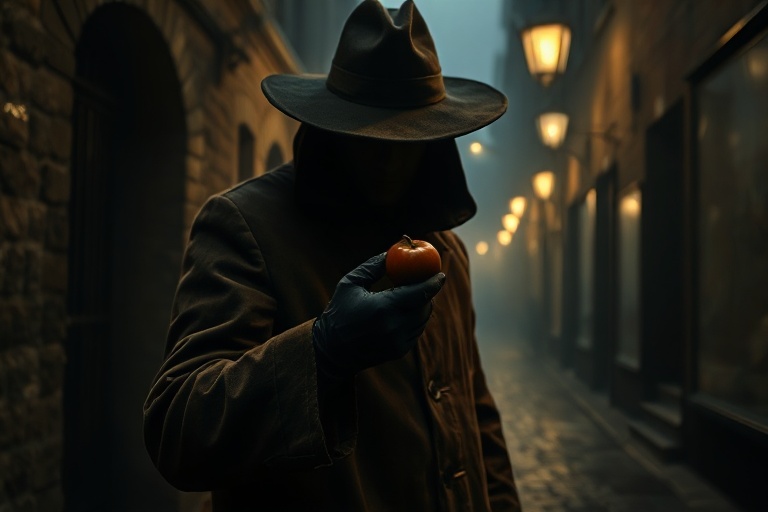
The Chestnut Man: A Dark Tale of Scandinavia Reviewed
The Chestnut Man, a gripping Scandinavian crime thriller, has captivated audiences worldwide with its chilling narrative and complex characters. Based on the novel by Søren Sveistrup, the story unfolds in Copenhagen, Denmark, weaving a tale of revenge, corruption, and psychological depth. The series, which premiered in 2021, has quickly become a standout in the Nordic noir genre, drawing comparisons to other acclaimed Scandinavian crime dramas.
The Storyline: A Haunting Mystery
The Chestnut Man begins with a gruesome murder. The body of a young woman is found in a park, clutching a small chestnut figurine in her hand. This eerie detail sets the tone for the investigation led by Detectives Naia Thulin and Mark Hess. As they delve deeper into the case, they uncover a web of deceit involving powerful figures in Danish society. The mystery unfolds with unexpected twists, keeping viewers on the edge of their seats.
The series explores themes of power, betrayal, and the lengths to which people will go to protect their secrets. The chestnut figurine, a recurring motif, serves as a chilling symbol of the killer’s identity and motives. The story’s intricate plot and atmospheric tension make it a standout in the crime thriller genre.
Characters: Complexity and Depth
The Chestnut Man boasts a cast of well-developed characters, each with their own motivations and flaws. Detective Naia Thulin, played by Danica Curcic, is a determined and resourceful investigator whose personal demons drive her to solve the case. Her partner, Mark Hess (Mikkel Boe Følsgaard), brings a contrasting perspective, blending professionalism with emotional vulnerability.
The antagonist, the Chestnut Man himself, is a figure shrouded in mystery. His actions reveal a deep-seated grudge against the establishment, and his meticulous planning underscores the psychological complexity of the narrative. Supporting characters, such as the enigmatic politician Rosa Hartung, add layers to the story, blurring the lines between victim and perpetrator.
- Naia Thulin: A driven detective with a troubled past, her relentless pursuit of the truth defines the series.
- Mark Hess: A former special forces officer turned investigator, his calm demeanor masks inner turmoil.
- The Chestnut Man: A shadowy figure whose actions are rooted in vengeance and a twisted sense of justice.
- Rosa Hartung: A high-ranking politician whose secrets could unravel the entire investigation.
Visual Style and Atmosphere
The Chestnut Man excels in its atmospheric presentation. The series’ cinematography captures the stark, cold beauty of Copenhagen, juxtaposing the city’s serene landscapes with its dark underbelly. The use of muted colors and stark lighting enhances the sense of dread and unease that permeates the narrative.
The show’s score, composed by Sune Martin, further amplifies the tension. Haunting melodies and dissonant tones create an immersive experience, drawing viewers deeper into the mystery. The series’ pacing is deliberate, allowing the story to unfold at a measured pace that builds suspense without resorting to cheap thrills.
Why It Stands Out in the Genre
The Chestnut Man distinguishes itself from other Scandinavian crime dramas through its intricate plotting and psychological depth. While many series in the genre rely on formulaic structures, this show takes risks, subverting expectations and keeping audiences guessing until the very end. The character arcs are particularly noteworthy, as they evolve in ways that challenge conventional tropes.
The series also benefits from strong performances, particularly from its lead actors. Danica Curcic and Mikkel Boe Følsgaard bring authenticity to their roles, grounding the story in emotional realism. The antagonist, played by an actor whose identity remains a mystery until the final episodes, delivers a performance that lingers in the mind long after the credits roll.
For fans of entertainment and crime thrillers, The Chestnut Man is a must-watch. Its blend of mystery, drama, and psychological depth makes it a standout in the genre. The series has also sparked discussions about the darker aspects of Scandinavian society, from political corruption to the pressures of public life. These themes resonate beyond the screen, inviting viewers to reflect on the world around them.
A Comparison to Other Scandinavian Crime Dramas
While The Chestnut Man shares similarities with other Nordic noir series like The Killing and Bron/Broen, it carves out its own niche through its unique storytelling. Unlike some of its counterparts, which focus heavily on procedural elements, this series delves deeper into the personal lives of its characters, exploring how their pasts influence their present actions. The result is a richer, more nuanced narrative that feels both familiar and fresh.
The series’ international appeal is another factor in its success. While rooted in Danish culture, the themes of power and corruption transcend borders, making it accessible to a global audience. The decision to shoot the series in Danish with subtitles has not deterred viewers, as evidenced by its strong ratings on streaming platforms.
The Legacy of The Chestnut Man
As The Chestnut Man gains momentum, its influence on the crime thriller genre becomes increasingly apparent. The series has not only entertained audiences but also sparked conversations about the power of storytelling in television. Its success has paved the way for more Scandinavian crime dramas to reach international audiences, proving that the genre has a bright future ahead.
For those who appreciate news and analysis in the entertainment world, The Chestnut Man is a case study in how to craft a compelling narrative. Its blend of mystery, character development, and atmospheric tension sets a high bar for future productions. Whether you’re a longtime fan of Scandinavian crime dramas or new to the genre, this series is a must-watch.
Conclusion
The Chestnut Man is more than just a crime thriller; it’s a masterclass in storytelling. With its complex characters, atmospheric visuals, and intricate plot, it stands out as one of the best Scandinavian crime dramas in recent years. The series’ exploration of power, corruption, and justice resonates deeply, making it a thought-provoking experience for viewers.
As the final episodes unfold, the emotional weight of the story becomes undeniable. The Chestnut Man leaves a lasting impression, challenging audiences to reflect on the darker aspects of society and the human condition. For anyone seeking a gripping, well-crafted narrative, this series delivers in spades.
In a landscape crowded with crime dramas, The Chestnut Man rises above the noise, proving that sometimes the simplest premises—like a chestnut figurine left at a crime scene—can lead to the most unforgettable stories.