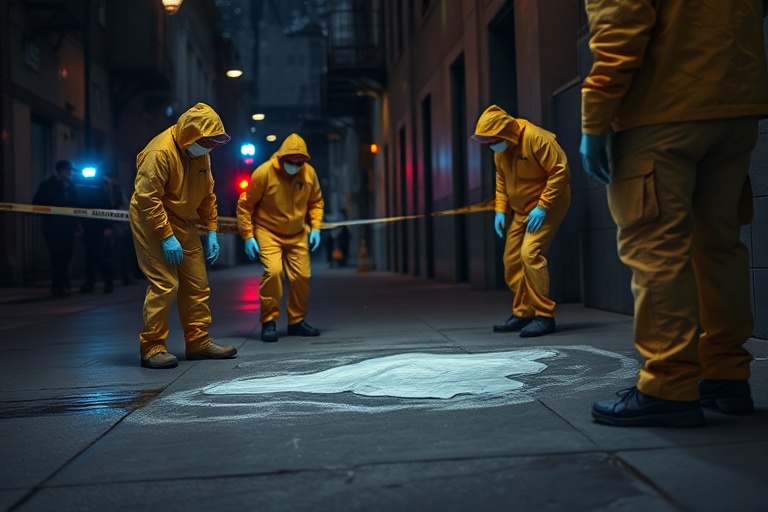
UW Homicide Investigation Raises Questions About Campus Safety
The University of Washington (UW) community remains deeply affected by the homicide that occurred on campus in early November. Authorities have since identified the victim and the suspect, but many questions linger about the circumstances surrounding the incident. This case has not only shocked students, faculty, and families but also reignited discussions about campus safety, mental health resources, and the broader implications of violence in academic settings.
While investigations are still ongoing, preliminary reports suggest the incident was not random. Sources close to the case indicate prior interactions between the victim and suspect, raising concerns about how such situations are monitored and prevented. The tragedy has left the UW campus in a state of grief, with vigils held and counseling services overwhelmed by demand.
The Broader Context of Campus Violence
UW is not alone in facing such tragedies. Over the past decade, several universities across the United States have dealt with high-profile homicides, often involving students or faculty. These incidents force institutions to confront uncomfortable truths about security, mental health support, and the effectiveness of threat assessment teams. According to a 2022 report from the Chronicle of Higher Education, nearly 70% of universities have revised their safety protocols in response to violent incidents.
Key factors contributing to campus violence include:
- Inadequate mental health resources: Many universities struggle to provide sufficient counseling and intervention programs.
- Lack of transparency: Institutions often withhold details about past incidents, leaving students unaware of potential risks.
- Insufficient security measures: While some campuses have increased surveillance, others rely on outdated systems.
- Underreporting of threats: Students and faculty may hesitate to report suspicious behavior due to fear of retaliation or bureaucratic delays.
In the wake of this tragedy, UW has faced scrutiny over its handling of prior warnings. Student-led organizations have called for an independent review of the university’s safety policies, arguing that current measures are reactive rather than preventive.
Mental Health and Intervention: Where Universities Fall Short
One of the most pressing issues highlighted by this case is the state of mental health services on college campuses. UW, like many large universities, offers counseling through its Student Health Services, but demand often exceeds capacity. A 2023 study by the American Psychological Association found that nearly 60% of college students who sought mental health support were turned away due to long waitlists.
The suspect in this case had reportedly exhibited concerning behavior in the past, yet no formal intervention occurred. This raises critical questions about how universities identify and assist at-risk individuals. Many institutions rely on behavioral intervention teams, but these teams often lack the authority or resources to act decisively.
Experts suggest several reforms to improve mental health interventions:
- Expand on-campus mental health staff: Hiring more counselors and psychiatrists could reduce wait times and improve accessibility.
- Implement mandatory training for faculty: Professors and staff should be trained to recognize warning signs and report concerns without fear of liability.
- Strengthen threat assessment protocols: Universities must collaborate more closely with local law enforcement to monitor high-risk individuals.
- Increase transparency with students: Clear communication about available resources and reporting procedures can encourage proactive intervention.
Campus Safety: Balancing Security and Open Access
Another contentious issue is how universities balance safety with the open, inclusive environment that defines academic life. UW, like many public institutions, operates in a way that prioritizes accessibility. However, this approach can sometimes conflict with security needs. After the shooting at Michigan State University in 2023, UW temporarily restricted access to certain buildings, a move that sparked debate among students and faculty.
Critics argue that such measures create a sense of surveillance rather than safety. Meanwhile, advocates insist that visible security personnel and controlled entry points are necessary to deter violence. The challenge lies in finding a middle ground—one that reassures the community without transforming the campus into a fortress.
UW has since installed additional security cameras and emergency notification systems, but students remain divided on their effectiveness. Some feel safer knowing that measures are in place, while others worry that these changes will erode the university’s sense of community.
Looking Ahead: What’s Next for UW and Higher Education?
The UW homicide has become a catalyst for broader conversations about campus safety, mental health, and institutional responsibility. While investigations continue, the university has pledged to review its policies and enhance support systems. However, meaningful change will require more than temporary measures—it demands a fundamental shift in how universities approach these issues.
For students, the tragedy has left lasting scars. Many have described feeling unsafe in spaces they once considered second homes. Others have taken to social media to demand accountability, using hashtags to organize protests and vigils. The university’s response will be closely watched by peers across the country, as other institutions grapple with similar challenges.
Ultimately, the UW homicide is more than a singular event—it reflects systemic issues that extend far beyond one campus. As universities nationwide confront these realities, the lessons learned from this tragedy could shape the future of higher education safety and mental health for years to come.
The road to recovery will be long, but the conversations sparked by this incident offer a rare opportunity for progress. Whether UW and other institutions seize that opportunity remains to be seen.