Why Funerals Are Changing and What It Means for the Future
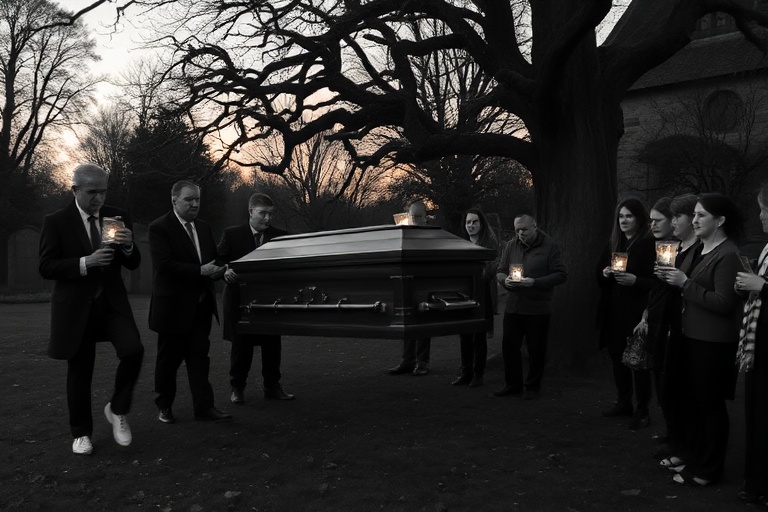
The funeral is one of humanity’s oldest rituals, a moment where grief meets ceremony. Across cultures and centuries, these events have served as more than just farewells. They are declarations of memory, markers of legacy, and communal affirmations of a life lived. Yet today, funerals are evolving. Modern society is reshaping how we remember the dead, blending tradition with innovation.
The Role of Funerals in Human Connection
Funerals are not merely about death. They are about life—how it is remembered, shared, and passed forward. Sociologists argue that these rituals fulfill a deep psychological need: the validation of a person’s existence within a community. When a person dies, their absence creates a void not just in the home, but in the collective memory of those who knew them. Funerals attempt to fill that void with stories, tears, and sometimes laughter.
Anthropologist Arnold van Gennep’s concept of “rites of passage” applies here. Death is the ultimate transition, and funerals serve as the bridge between the living and the deceased. They mark the shift from presence to absence, from life to legacy. Without such rituals, the process of grieving might feel incomplete, leaving mourners in a state of unresolved emotion.
In many cultures, funerals are also acts of reciprocity. The community gathers not only to mourn but to honor the support it has received from the deceased. This mutual recognition reinforces social bonds. In some African traditions, for instance, funerals can last for days, involving feasts, music, and shared storytelling. Such events are less about the physical body and more about the spirit that lingers in the stories told.
Modern Shifts: From Ritual to Personalization
Traditional funerals often followed rigid formats: a somber service, a procession, burial or cremation, and a gathering afterward. But today’s mourners are demanding flexibility. Personalization is now a driving force in funeral planning. Families are choosing unique venues, from beaches to mountaintops, and incorporating elements that reflect the personality of the deceased. A jazz musician might be remembered with a live band; a gardener with a funeral held in a botanical garden.
This shift reflects broader cultural changes. As religious affiliation declines in many Western societies, people are turning to secular or hybrid ceremonies. According to a 2023 report by the National Funeral Directors Association, over 60% of Americans now prefer personalized funerals over traditional religious services. The rise of “life celebration” funerals—events that focus on joy rather than sorrow—illustrates this change.
Technology is also altering funeral practices. Livestreamed services allow distant relatives to participate, while AI-generated memorial videos create digital tributes using photos and voiceovers. Some companies now offer “virtual cemeteries,” where loved ones can leave digital messages for the deceased. These innovations raise questions: Can a digital presence replace physical presence? Do online condolences carry the same weight as handwritten cards?
Key Elements of a Modern Funeral
- Venue Flexibility: No longer confined to funeral homes or churches, ceremonies are held in parks, breweries, or even private homes.
- Personalized Tributes: Eulogies now include multimedia presentations, favorite music, or even a “memory table” with the deceased’s belongings.
- Eco-Conscious Choices: Green burials, biodegradable urns, and conservation cemeteries are growing in popularity as environmental concerns rise.
- Interactive Elements: Some services encourage guests to write messages on a board, plant a tree, or release biodegradable balloons.
- Pre-Planning Services: More people are arranging their own funerals in advance, relieving family members of the burden during grief.
The Economic and Social Impact of Funeral Industry
The funeral industry is a multi-billion-dollar sector, but it is also one of the most criticized. High costs—averaging $7,000 to $12,000 in the U.S. for a traditional funeral—have led to calls for transparency and reform. Consumer advocates argue that the industry preys on emotional vulnerability, bundling services into opaque packages. In response, alternatives like direct cremation (costing as little as $1,000) are gaining traction.
Yet the industry’s role extends beyond commerce. Funeral directors act as grief counselors, legal advisors, and logistical coordinators. They help families navigate complex decisions during one of the most stressful times in their lives. The COVID-19 pandemic exposed both the fragility and resilience of this system. With restrictions limiting gatherings, funeral homes adapted quickly, offering drive-thru viewings and outdoor services. These changes forced a reevaluation of what a funeral must be.
Socially, funerals also serve as rites of socialization. They remind communities of mortality, encouraging reflection on life’s brevity. In Japan, the Buddhist tradition of otsuya (all-night vigils) and kotsuage (bone-picking ceremonies) reinforces familial duty and continuity. In Mexico, Día de los Muertos is not a time of mourning but a vibrant celebration of life. These customs highlight how funerals can be both personal and communal acts of defiance against forgetting.
Funerals in the 21st Century: What Lies Ahead?
The future of funerals will likely be shaped by three forces: technology, environmentalism, and individualism. As digital natives age, expect more immersive memorials—virtual reality experiences that recreate a loved one’s favorite places, or holograms delivering eulogies. Companies like Eternime and LifeNaut already offer digital legacy projects, storing personal data for future AI interactions.
Environmental concerns are also driving innovation. The “green funeral” movement promotes biodegradable caskets, natural burial grounds, and even human composting (legalized in Washington state as of 2020). These methods reduce the carbon footprint of death while offering a return to the earth in a literal sense. For a generation raised on climate activism, this alignment with values is significant.
Yet the most profound change may be the decline of organized religion’s dominance over funeral rites. As secularism grows, so does the demand for personalized, meaningful ceremonies. This shift does not mean the end of tradition, but its reimagining. Families are blending cultural practices—perhaps a Hindu antyeshti (cremation ritual) with a Scandinavian minnesfest (memory feast). The result is a mosaic of remembrance that reflects the diversity of modern life.
One thing remains constant: the need to say goodbye. Whether through a quiet woodland burial or a grand public memorial, funerals serve a fundamental human purpose. They are the first step in the long process of letting go—and perhaps the most important.
In an era where death is often medicalized and hidden, funerals remind us that grief is not a problem to solve but a process to endure. They teach us that memory is a form of immortality, and that how we say farewell shapes how we remember.
For those planning a funeral today, the options are vast. But the goal remains the same: to honor a life, to support the living, and to keep the story alive.
Explore related topics on Culture and News at Dave’s Locker.
Further Reading
- Modern Grief: How Technology Is Changing Mourning
- The Rise of Green Burials: Environmentalism After Death
Funerals are more than events. They are the last chapter in a life story—one that continues to be written in the hearts of those left behind.