The Wordle game show phenomenon began not in a boardroom or on a studio set, but in the quiet corners of the internet where puzzle lovers and word nerds gather. Created by British software engineer Josh Wardle as a private project for his partner, Wordle exploded from a niche browser game into a mainstream entertainment format in just months. Its journey from a quiet digital pastime to a primetime television spectacle reflects broader trends in media consumption, audience engagement, and the evolving relationship between digital culture and traditional entertainment.
Unlike most viral sensations that fade within weeks, Wordle’s simplicity and social shareability allowed it to transcend platforms. It became a shared ritual—something people did first thing in the morning, then discussed over coffee or on social media. This communal aspect made it ripe for adaptation. Television producers saw an opportunity: a game that was already proven to captivate millions, with built-in audience familiarity and viral potential. The result? A new wave of game shows that blend the intimacy of word puzzles with the spectacle of live competition.
The Rise of Wordle: From Browser to Boardroom
Wordle launched in October 2021 as a free, ad-free game accessible via any web browser. Players had six attempts to guess a five-letter word, with color-coded feedback guiding each guess. The genius lay in its simplicity—no app downloads, no sign-ups, no monetization pressure. Players could share their results as emoji grids, turning private puzzles into public status symbols. Within weeks, Wordle dominated timelines on Twitter and Instagram, with celebrities and strangers alike posting their daily scores.
The game’s viral moment came in December 2021, when it was acquired by The New York Times for a reported seven-figure sum. While the Times framed the purchase as part of its digital strategy to attract younger audiences, the real story was how Wordle had redefined what a viral game could be. It proved that a minimalist design, combined with social sharing, could outperform even the most polished mobile apps. The acquisition also positioned Wordle as a cultural artifact—one that newspapers and broadcasters wanted to own.
Television executives took notice. If a simple web game could command global attention, why couldn’t a televised version do the same? The challenge was translating a solo, screen-based experience into a live, high-energy competition. The solution came in the form of team play, audience participation, and celebrity hosting—elements that transformed Wordle from a puzzle into a spectacle.
The TV Transformation: How Producers Reimagined the Format
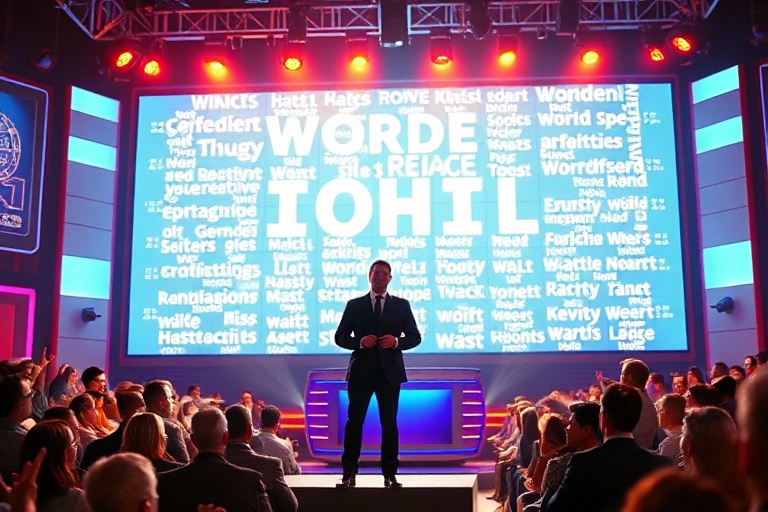
The first major adaptation arrived in 2023 when NBC premiered Wordle as a primetime game show hosted by Neil Patrick Harris. The show retained the core mechanics—five-letter words, six guesses—but added drama, stakes, and live audience interaction. Contestants competed in pairs, with each correct guess earning points. The twist? The final word was revealed in a dramatic countdown, and the winning team took home cash prizes.
What made the TV version work was its balance between nostalgia and novelty. Older viewers recognized the familiar Wordle structure. Younger audiences appreciated the modern, fast-paced delivery. The show’s producers emphasized accessibility, ensuring that even casual viewers could participate by solving the daily puzzle at home via the NBC app. This dual-platform strategy turned passive viewers into active participants—a key to the show’s early success.
Other networks followed. BBC launched Wordle: The Primetime Show in the UK, hosted by Sue Perkins. ITV introduced a daytime version in Australia. Even streaming platforms got involved, with Peacock and Paramount+ developing digital-first spin-offs. The global spread of the Wordle game show format demonstrated how digital culture could be repackaged for traditional media without losing its essence.
Yet, not all adaptations succeeded. Some versions overcomplicated the format, adding unnecessary rules or celebrity cameos that diluted the purity of the original. Others struggled with pacing, turning a quick puzzle into a drawn-out affair. The most effective versions—like NBC’s—kept the core mechanics intact while adding layers of competition and entertainment.
Why Wordle Works on TV: Psychology and Participation
The Wordle game show thrives because it taps into deep psychological triggers: challenge, progress, and social validation. The six-attempt limit creates urgency. The color feedback provides immediate gratification. The shareable results offer a sense of accomplishment. On television, these elements are amplified through lighting, music, and audience reaction. When a contestant guesses the word in two tries, the studio erupts. The home audience feels the same thrill—because they’ve likely just solved the puzzle themselves.
Television producers also leverage Wordle’s inherent shareability. The show often integrates social media polls or live audience votes to determine the daily word, making viewers feel like part of the process. This interactivity turns passive spectators into active participants, a critical factor in an era where attention spans are short and loyalty is hard-won.
Moreover, Wordle’s cultural ubiquity makes it a safe bet for broadcasters. Unlike original game shows that require heavy marketing, Wordle comes with built-in brand recognition. Networks can promote the show as “the game you already know,” reducing the risk of audience confusion or disinterest. This pre-existing familiarity is one reason why the Wordle game show has found success across demographics—from Gen Z scrollers to Baby Boomer couch potatoes.
Cultural Impact: More Than Just a Game
Beyond entertainment, the Wordle game show reflects broader shifts in media consumption. It highlights the growing importance of “slow media” in a fast-paced digital world. While TikTok and Instagram prioritize instant gratification, Wordle asks viewers to slow down, focus, and engage deeply with a single task. This paradox—being both viral and contemplative—makes it a cultural anomaly.
The show’s global spread also reveals how language and logic transcend borders. Wordle’s core mechanism is language-agnostic in concept, though localized versions adapt to different languages and alphabets. In Japan, for instance, a version called Kotobade Asobou (“Let’s Play with Words”) gained traction by using loanwords and katakana, making it accessible to younger players. In India, regional-language versions of Wordle have emerged, reflecting the country’s linguistic diversity.
Wordle’s influence extends beyond television. It has inspired educators to use word puzzles in classrooms as tools for vocabulary building and critical thinking. Parents report that children who struggled with traditional spelling tests are now engaged by the game’s interactive format. Even corporate training programs have experimented with Wordle-style challenges to boost teamwork and communication skills.
Yet, the Wordle game show is not without criticism. Some purists argue that the TV version sacrifices the original’s purity for spectacle. Others worry about the commercialization of a once-free, community-driven game. Still, the format’s adaptability suggests that Wordle is more than a passing trend—it’s a new model for participatory entertainment.
What’s Next for Wordle on Screen?
The future of the Wordle game show likely lies in hybrid formats that blend digital and broadcast media. Already, we’re seeing augmented reality versions where viewers solve puzzles alongside contestants using their smartphones. Interactive streaming platforms are experimenting with live Wordle marathons, where audiences vote on the next word in real time. And as AI-generated word lists become more sophisticated, personalized Wordle experiences could emerge—tailored to individual skill levels or learning goals.
One thing is certain: Wordle’s journey from browser puzzle to global phenomenon proves that great ideas don’t need flashy graphics or high budgets to succeed. They need simplicity, engagement, and a little bit of magic. Whether on a phone screen or a television stage, Wordle reminds us that sometimes, the best entertainment is the kind that brings people together.
For fans eager to dive deeper into the world of digital games and live entertainment, Gaming and Entertainment sections on Dave’s Locker offer curated insights into the latest trends, from mobile puzzles to primetime hits.