Hawaiian Monk Seals: Endangered Ocean Guardians of Hawaii
The Hawaiian monk seal remains one of the most endangered marine mammals in the United States, with fewer than 1,500 individuals remaining in the wild. These solitary creatures, found nowhere else on Earth, face mounting threats from habitat loss, human interference, and climate change. Their survival depends on both conservation efforts and public awareness, making their story one that extends beyond Hawaii’s shores.
The Last of Their Kind: Understanding the Species
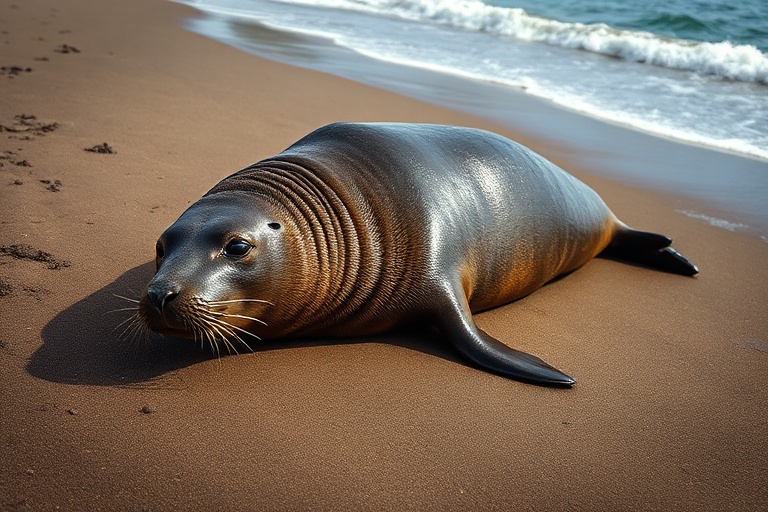
The Hawaiian monk seal (Neomonachus schauinslandi) is one of only two remaining species in the monk seal family, the other being the Mediterranean monk seal. Named for their characteristic monk-like hooded appearance, these seals are distinguishable by their large, dark eyes and whisker-covered snouts. Adults typically weigh between 375 to 500 pounds and measure up to seven feet in length, with females generally larger than males.
Unlike their more social relatives, Hawaiian monk seals are solitary animals. They haul out onto beaches to rest, molt, and give birth, often returning to the same locations year after year. Their breeding season occurs on sandy, remote beaches in the Northwestern Hawaiian Islands, where they give birth to a single pup after a nearly 11-month gestation period. Pups are nursed for approximately six weeks before being left to fend for themselves.
Critical Habitat: Where They Live and Why It Matters
The majority of Hawaiian monk seals reside within the Papahānaumokuākea Marine National Monument, a vast protected area spanning over 580,000 square miles of ocean and land in the Northwestern Hawaiian Islands. This remote archipelago includes islands such as Midway Atoll, Laysan Island, and French Frigate Shoals, which provide critical breeding and resting grounds. The monument’s isolation has historically shielded the seals from many human disturbances, though climate change and rising sea levels now pose existential risks.
However, a small but growing number of monk seals have begun to recolonize the main Hawaiian Islands, including Oahu, Kauai, and Maui. This shift is unusual and presents new challenges. While these areas offer more frequent human interaction, they also expose the seals to pollution, fishing gear entanglement, and boat strikes. Conservationists are closely monitoring this trend to determine whether it will aid recovery or accelerate decline.
Threats on All Fronts: The Challenges They Face
The Hawaiian monk seal’s endangered status is the result of multiple, compounding threats. Historically, the species was hunted to near extinction in the 19th and early 20th centuries for their oil and meat. Though hunting has ceased, the legacy of human exploitation lingers in their slow population recovery. Today, the primary threats are more insidious and harder to combat.
Human Encroachment and Disturbance
Even well-intentioned human activity can disrupt monk seals, particularly during critical life stages. Beachgoers often unknowingly approach resting seals, causing them to flee into the water and expend vital energy. Pups separated from their mothers due to human interference may not survive. The National Oceanic and Atmospheric Administration (NOAA) has established guidelines for safe viewing distances, but enforcement remains inconsistent.
Entanglement in marine debris, particularly derelict fishing gear, is another major hazard. Seals can become trapped in nets or lines, leading to injuries, infections, or drowning. Efforts to remove debris from monk seal habitats, such as the annual cleanup at Midway Atoll, are crucial but often overwhelmed by the scale of the problem.
Climate Change: A Slow-Moving Crisis
The effects of climate change are reshaping the monk seal’s environment in ways that are difficult to predict. Rising sea levels threaten to submerge low-lying islands where seals breed and rest. Warmer ocean temperatures may alter prey availability, forcing seals to travel farther for food and increasing juvenile mortality rates. Additionally, coral reef degradation reduces habitat complexity, making it harder for seals to find shelter.
NOAA’s Hawaiian Monk Seal Research Program has documented these changes through long-term monitoring. Their data shows a decline in pup survival rates in some regions, correlating with shifts in oceanic conditions. While some seals adapt by altering their foraging behavior, others struggle to keep pace with environmental changes.
Conservation Efforts: What’s Being Done to Save Them
Protecting the Hawaiian monk seal requires a multi-faceted approach, combining scientific research, community engagement, and policy interventions. Over the past decade, conservationists have made strides in stabilizing some populations, though challenges remain. The key to success lies in balancing immediate interventions with long-term habitat preservation.
Direct Intervention: Saving Individual Seals
One of the most visible conservation strategies is the direct intervention to rescue and rehabilitate injured or sick seals. NOAA’s Hawaiian Monk Seal Health and Recovery Program has successfully treated numerous individuals, including those suffering from malnutrition, injuries, or entanglement. Rehabilitation often involves temporary captivity, where seals receive veterinary care before being released back into the wild.
Notable cases, such as the rescue of a severely underweight female seal named “Honey Girl” in 2017, highlight the impact of these efforts. After months of rehabilitation, she was successfully released and later gave birth to a healthy pup. Such stories underscore the importance of intervention, though they are costly and resource-intensive.
Community Involvement: The Power of Local Stewardship
Hawaii’s local communities play a vital role in monk seal conservation. Organizations like Dave’s Locker Conservation collaborate with residents to monitor seal populations, report sightings, and educate visitors about safe viewing practices. These grassroots efforts are particularly effective in the main Hawaiian Islands, where human-seal interactions are more frequent.
Educational programs targeting schoolchildren and tourists have also proven successful. By fostering a sense of stewardship, these initiatives help reduce disturbances and encourage respectful coexistence. For example, the “Monk Seal Watch” program in Kauai trains volunteers to respond to seal sightings and report concerning behavior to authorities.
The Road Ahead: Hope and Uncertainty
The future of the Hawaiian monk seal is precarious but not without hope. While their population remains critically low, targeted conservation efforts have shown promise in specific regions. The translocation of weaned pups from high-density areas to more vulnerable regions is one such strategy, designed to boost genetic diversity and reduce competition for resources.
However, the species’ recovery is far from guaranteed. Climate change continues to accelerate, and human activity shows no signs of slowing. The success of conservation efforts will depend on sustained funding, political will, and public support. Without these, the Hawaiian monk seal could follow the path of its Caribbean cousin, declared extinct in 2008.
What You Can Do to Help
Individuals can contribute to the protection of Hawaiian monk seals in several ways. Supporting organizations like NOAA’s Monk Seal Program or local conservation groups ensures that critical research and rescue efforts continue. Reducing single-use plastics and participating in beach cleanups helps minimize marine debris, a major threat to seals. Additionally, adhering to viewing guidelines and reporting sightings to authorities can prevent unnecessary disturbances.
For those visiting Hawaii, respecting designated monk seal resting areas and maintaining a safe distance (at least 150 feet) is essential. Tourists often underestimate the impact of their presence, but even minor disruptions can have life-or-death consequences for these endangered animals.
The Hawaiian monk seal is more than just a symbol of Hawaii’s marine biodiversity; it is a living testament to the resilience of nature in the face of human-induced challenges. Their survival hinges on our collective commitment to conservation, not just in Hawaii, but across the globe. By taking action today, we can help ensure that future generations will witness the grace of these ocean guardians firsthand.