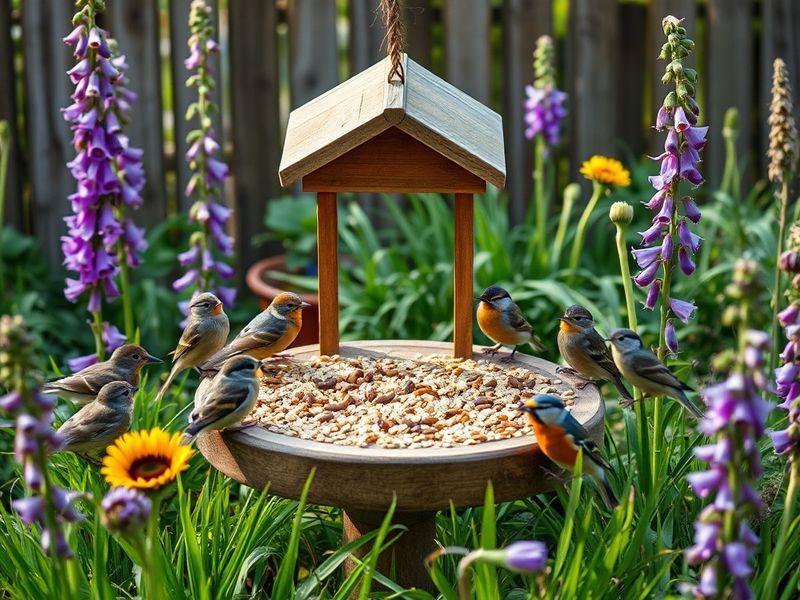
The Royal Society for the Protection of Birds (RSPB) has long championed bird feeding as a simple yet powerful way to support declining wildlife populations. With UK garden bird numbers facing pressure from habitat loss and climate change, the charity’s advice on feeding birds remains more relevant than ever. This guide explores how to feed birds effectively, why it matters, and what the broader ecological implications might be.
Why Feeding Birds Matters: Beyond a Simple Act of Kindness
Bird feeding is often seen as a winter activity, but the RSPB recommends feeding birds year-round. During colder months, natural food sources become scarce, making supplementary feeding crucial for survival. However, the benefits extend year-round. Urban and suburban gardens now provide vital habitats for species like house sparrows, starlings, and blackbirds, which have seen significant population declines in recent decades.
Research from the British Trust for Ornithology (BTO) suggests that well-maintained feeding stations can increase local bird populations by up to 30%. This isn’t just about individual birds—it’s about maintaining biodiversity in ecosystems where birds play key roles as pollinators, seed dispersers, and insect controllers. When birds thrive, entire food webs benefit.
Key Benefits of Feeding Birds
- Supports declining species: Many UK garden birds, such as song thrushes and house sparrows, have seen dramatic population drops. Feeding helps sustain them.
- Encourages natural behaviors: Feeding stations can replicate natural foraging patterns, keeping birds active and healthy.
- Educates communities: Feeding birds fosters a connection to nature, particularly among children and urban residents.
- Boosts mental well-being: Studies show that birdwatching reduces stress, making feeding a dual-purpose activity.
RSPB’s Feeding Recommendations: What to Offer and What to Avoid
The RSPB provides clear guidelines on what to feed birds, emphasizing nutrition and safety. Not all foods are equal, and some can even harm birds. The charity’s advice is based on decades of research and aligns with best practices for garden bird care.
According to the RSPB, the best foods for birds include:
- High-energy seeds: Sunflower hearts, peanuts, and nyjer seeds are favorites among finches, tits, and sparrows.
- Live foods: Mealworms and waxworms are excellent for insect-eating birds like robins and wrens, especially during breeding season.
- Fruit: Apples, pears, and berries are great for thrushes and blackbirds. Avoid anything moldy or treated with pesticides.
- Uncooked oats or porridge oats: A cost-effective option that many ground-feeding birds enjoy.
- Fat-based foods: Suet cakes and fat balls provide essential calories, particularly in winter. Ensure these are unsalted and free from additives.
Equally important is what to avoid. Bread, for example, offers little nutritional value and can cause digestive issues. Similarly, salty or processed foods, such as crisps or cheese, are harmful. Milk is another no-go—birds cannot digest lactose. The RSPB also advises against feeding birds during extreme heat, as food can spoil quickly and attract pests.
The Broader Ecological Impact of Feeding Birds
While the immediate benefits of feeding birds are clear, the practice has wider ecological implications. Gardens, often overlooked in conservation efforts, are becoming increasingly important as natural habitats shrink. The RSPB estimates that there are over 16 million gardens in the UK, covering an area larger than all the country’s nature reserves combined. This makes private green spaces critical for wildlife.
Feeding birds can also help mitigate the effects of urbanization. Cities and towns create “heat islands” where temperatures are higher and food sources are scarcer. By providing supplementary food, gardeners can counteract some of these effects. However, this raises questions about dependency. Could birds become too reliant on feeders, particularly if natural food sources recover?
The RSPB acknowledges this concern but argues that well-managed feeding stations complement natural diets rather than replace them. The key is variety—birds should still forage for insects, seeds, and berries in their environment. Feeding is a supplement, not a substitute.
How to Create a Bird-Friendly Feeding Station
Setting up a bird feeding station is straightforward, but a few key principles can maximize its effectiveness. Location, timing, and hygiene all play a role in attracting and supporting birds safely.
The RSPB recommends the following approach:
- Choose the right feeder: Tube feeders work well for small birds like tits, while ground trays suit larger species like pigeons and doves. Avoid plastic mesh bags, as they can trap and injure birds.
- Position feeders carefully: Place them near shrubs or trees to provide cover from predators, but ensure they’re visible from a safe distance. Avoid placing feeders too close to windows to prevent collisions.
- Keep feeders clean: Moldy or contaminated food can spread disease. Clean feeders every two weeks with hot water and a mild detergent.
- Provide water: A shallow dish or birdbath is just as important as food. Birds need water for drinking and bathing, especially during dry spells.
- Monitor and adapt: Keep an eye on which birds visit and adjust food types accordingly. For example, finches prefer nyjer seeds, while robins enjoy mealworms.
For those new to bird feeding, the RSPB’s official website offers detailed resources, including regional feeding calendars and species-specific advice. The charity also runs campaigns like “Give Nature a Home,” encouraging garden owners to create wildlife-friendly spaces.
Beyond the Garden: Community and Conservation Efforts
Bird feeding isn’t just an individual activity—it’s a community effort. Schools, community gardens, and urban wildlife groups increasingly use feeding stations as educational tools. The RSPB’s Big Garden Birdwatch, an annual event where participants count garden birds, highlights the collective impact of small actions. In 2023, over 700,000 people took part, providing valuable data on bird populations.
This data informs conservation strategies, from habitat restoration to policy changes. For example, the decline in house sparrows has been linked to loss of nesting sites and insect declines. By feeding birds and creating suitable habitats, gardeners contribute to broader conservation goals.
However, feeding birds is not without controversy. Some conservationists argue that feeding can disrupt natural population dynamics or spread disease. The RSPB addresses these concerns by promoting responsible feeding practices, such as avoiding overcrowding at feeders and providing a variety of food sources.
Conclusion: A Small Act with Big Rewards
Feeding birds is one of the simplest yet most effective ways to support wildlife. It bridges the gap between human spaces and nature, offering benefits for birds, gardeners, and the environment alike. While challenges remain—such as ensuring food quality and preventing disease—the RSPB’s guidelines provide a reliable framework for responsible feeding.
For those looking to go further, the next step is creating a wildlife-friendly garden. Planting native species, installing nest boxes, and reducing pesticide use can transform any outdoor space into a haven for birds. In doing so, gardeners become part of a larger movement to protect biodiversity in an increasingly urbanized world.
Whether you’re a seasoned birdwatcher or a beginner, feeding birds is a rewarding activity that connects you to the natural world. By following the RSPB’s advice, you can make a tangible difference—one seed at a time.
For more tips on supporting wildlife in your garden, explore Dave’s Locker’s Nature section for practical guides and expert insights.