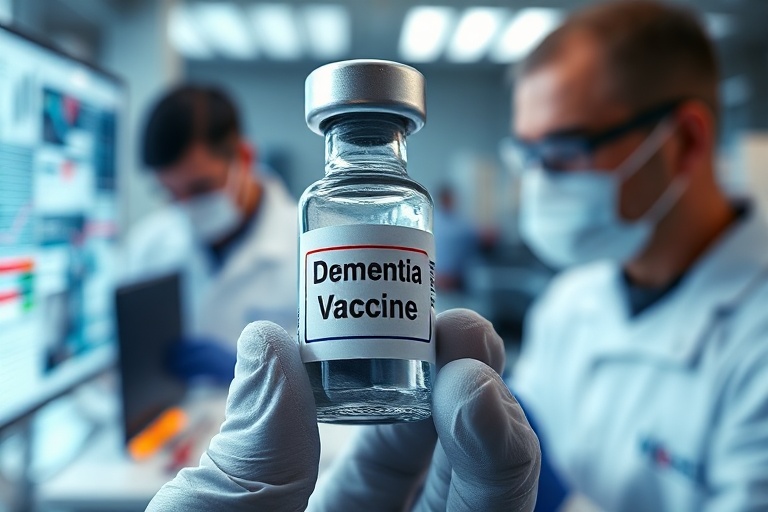
Revolution in Neuroscience: The Dementia Vaccine Pipeline
The race to develop a dementia vaccine has intensified in recent years, with promising candidates emerging from labs worldwide. While Alzheimer’s disease accounts for 60-70% of dementia cases, vascular dementia, Lewy body dementia, and frontotemporal dementia also contribute to the global burden of cognitive decline. Current treatments like cholinesterase inhibitors and monoclonal antibodies like aducanumab provide only modest symptomatic relief. A preventive or disease-modifying vaccine could fundamentally alter the trajectory of neurodegenerative diseases.
Researchers are exploring multiple immunological strategies. Some approaches target amyloid-beta plaques, long considered a hallmark of Alzheimer’s pathology. Others focus on tau protein tangles, neuroinflammation, or even the gut-brain axis. The diversity of strategies reflects both scientific ambition and the complexity of dementia as a multifactorial condition. Clinical trials are now underway for several vaccine candidates, with early-phase studies showing encouraging biomarker changes.
How Vaccines for Dementia Work
Dementia vaccines differ from traditional vaccines in their target and mechanism. Instead of preventing infection, they aim to modulate the immune system to clear pathological proteins or reduce neuroinflammation. The most advanced candidates fall into two broad categories:
- Active vaccines: These stimulate the patient’s own immune system to produce antibodies. Examples include AADvac1, which targets pathological tau, and ACC-001, which targets amyloid-beta.
- Passive immunotherapies: These involve delivering pre-made antibodies directly to the patient. While not vaccines in the strictest sense, they function similarly in reducing toxic protein accumulation.
One notable active vaccine, developed by Axon Neuroscience, has completed Phase 2 trials. It uses a synthetic peptide derived from tau protein to induce an immune response. Early results showed a reduction in cerebrospinal fluid biomarkers associated with tau pathology, suggesting slowed disease progression. Another candidate, developed by researchers at the University of Texas, targets a specific form of amyloid known as pyroglutamate-Aβ, which is more toxic and resistant to clearance.
The Science Behind the Hope: What’s Driving Progress
Three major scientific advances have accelerated dementia vaccine research. First, the identification of genetic risk factors like APOE4 has provided clear biological targets for intervention. Second, advances in immunotherapy have demonstrated that the immune system can be harnessed to clear misfolded proteins. Third, improved biomarkers—such as PET scans and blood-based assays—allow researchers to monitor disease progression with unprecedented precision.
Clinical trials are also benefiting from global collaboration. The Dominantly Inherited Alzheimer Network (DIAN) and the Alzheimer’s Disease Cooperative Study (ADCS) have established standardized protocols for early intervention trials. These networks enable researchers to test vaccines in individuals at high genetic risk before symptoms appear, a strategy known as secondary prevention.
One of the most promising studies is the A4 trial, which enrolled 1,100 cognitively normal older adults with elevated amyloid levels. Participants received solanezumab, a monoclonal antibody that binds soluble amyloid-beta. While the primary endpoint was not met, post-hoc analyses suggested cognitive benefits in subgroups with higher baseline amyloid. This underscores the importance of timing: interventions may be most effective when administered decades before clinical symptoms emerge.
Challenges and Ethical Considerations
Despite the optimism, significant hurdles remain. The blood-brain barrier limits the delivery of therapeutic agents to the central nervous system. The immune system’s role in neurodegeneration is double-edged: while vaccines aim to reduce harmful inflammation, overactivation could exacerbate neuronal damage. Additionally, dementia vaccines raise ethical questions about consent and risk in preclinical populations.
Long-term safety is another concern. Early trials of amyloid-targeting vaccines in the 1990s and early 2000s were halted due to inflammatory side effects, including amyloid-related imaging abnormalities (ARIA). Modern candidates have been engineered to minimize these risks, but vigilance is essential. Regulatory agencies like the FDA and EMA are closely monitoring these trials, balancing innovation with patient safety.
Beyond Alzheimer’s: A Broader Shift in Dementia Care
The potential impact of a dementia vaccine extends far beyond Alzheimer’s disease. Vascular dementia, the second most common cause, is often linked to cardiovascular risk factors like hypertension and diabetes. A vaccine that reduces neuroinflammation or improves cerebrovascular health could benefit this population as well. Similarly, vaccines targeting alpha-synuclein might slow the progression of Lewy body dementia, which overlaps with Parkinson’s disease.
Public health implications are profound. Dementia affects over 55 million people worldwide, with nearly 10 million new cases annually. The economic burden is staggering, with global costs exceeding $1 trillion per year. A vaccine could reduce long-term care expenses, ease caregiver burden, and improve quality of life for millions. Governments and insurers are already preparing for potential rollout, with discussions underway about vaccination schedules, booster requirements, and public funding models.
The psychological impact of a dementia vaccine cannot be overstated. For decades, dementia has been associated with inevitable decline and stigma. The possibility of prevention or early intervention offers a new narrative: one of agency, hope, and reclaiming cognitive health. This shift could reshape societal attitudes toward aging and memory loss, encouraging earlier medical engagement and reducing the fear of diagnosis.
What’s Next: Trials, Timelines, and Real-World Readiness
Several vaccine candidates are poised to enter late-stage trials within the next two to three years. The most advanced, developed by Prothena and Roche, targets tau and is expected to begin Phase 3 trials in 2025. Meanwhile, researchers at the University of Cambridge are testing a nasal vaccine that delivers amyloid-beta antibodies directly to the brain via the olfactory pathway, bypassing the blood-brain barrier.
Regulatory pathways are also evolving. The FDA’s Health section has signaled openness to accelerated approval for dementia vaccines based on biomarker data, similar to its approach with cancer therapies. This could shave years off the typical approval timeline. However, post-market surveillance will be critical to monitor rare or delayed side effects.
For the public, awareness and education will be key. Unlike childhood vaccines, dementia vaccines will target older adults, many of whom may be skeptical of novel interventions. Healthcare providers will need training in geriatric immunology and shared decision-making. Community outreach programs, like those discussed in Analysis, can help bridge the gap between scientific progress and public trust.
The road to a dementia vaccine is long, but the destination is within sight. With each clinical trial, researchers are refining their understanding of the disease and inching closer to a breakthrough. If successful, these vaccines won’t just treat symptoms—they could redefine aging itself.