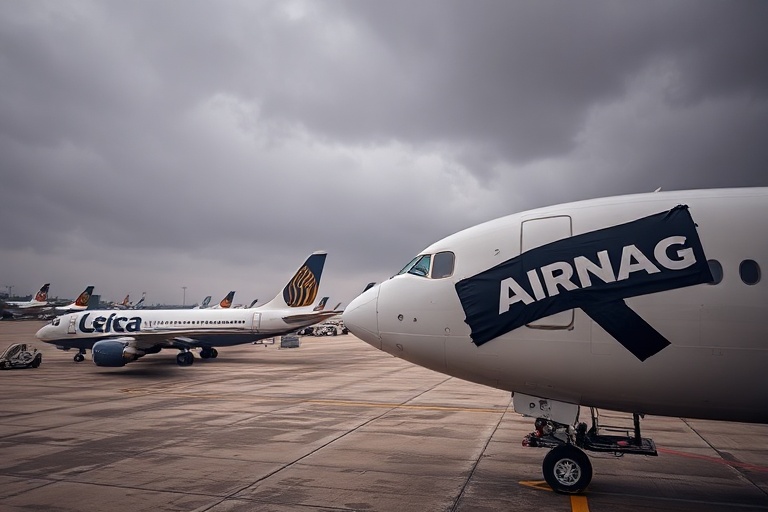
Another Airline Collapse Leaves Travelers Stranded: What You Need to Know
By Jane Holloway | Published
The airline industry has seen another major casualty. SkyVerde Airlines, a regional carrier operating primarily in the northeastern United States, announced it would cease all operations immediately, leaving thousands of passengers stranded and hundreds of employees without jobs. The shutdown comes after months of financial struggles and failed rescue negotiations with potential investors.
According to the U.S. Department of Transportation, SkyVerde operated over 200 daily flights to 45 destinations, with a focus on underserved airports. The airline’s sudden collapse has triggered a ripple effect across the travel industry, affecting not just passengers but also airports, tourism boards, and partner airlines.
Financial Troubles Preceded the Collapse
SkyVerde’s downfall was not sudden. Financial documents filed with the Securities and Exchange Commission reveal a company that had been bleeding cash for years. In 2023 alone, SkyVerde reported a net loss of $187 million, despite revenue increasing by 12% from the previous year. The airline attributed its financial struggles to rising fuel costs, labor shortages, and increased competition from larger carriers.
- Fuel costs: Jet fuel prices surged by 40% over the past two years, squeezing profit margins.
- Labor shortages: Pilot and maintenance technician shortages forced SkyVerde to cancel hundreds of flights.
- Competition: Major airlines like Delta and American Airlines expanded their regional routes, undercutting SkyVerde’s market share.
The airline attempted to restructure its debt in early 2024, but talks with creditors fell through in May. By June, SkyVerde had exhausted its cash reserves and could no longer meet payroll obligations. On June 10, the airline’s board voted unanimously to liquidate assets and shut down operations.
Passengers Left in the Lurch
Travelers who booked tickets with SkyVerde are now facing a crisis. The airline’s website has been taken offline, and customer service lines are overwhelmed. Passengers with tickets for upcoming flights are scrambling to find alternative arrangements, often at significantly higher prices.
The U.S. Department of Transportation has urged passengers to contact their credit card companies to dispute charges if they do not receive refunds or alternative flights. However, the process is far from straightforward. Many travelers have reported difficulties getting through to customer service representatives, and refunds could take weeks or even months to process.
For those stranded abroad, the situation is even more dire. SkyVerde had codeshare agreements with several international airlines, meaning passengers booked on partner carriers are also affected. The International Air Transport Association (IATA) has issued a warning to travelers, urging them to check their flight status and contact their airlines immediately.
Broader Impact on the Travel Industry
The collapse of SkyVerde is a stark reminder of the fragility of the airline industry. Regional carriers, in particular, have struggled to survive in a post-pandemic world where travel demand remains volatile. SkyVerde’s shutdown follows similar collapses in recent years, including ExpressJet Airlines in 2022 and Ravn Alaska in 2021.
Airlines are not the only ones feeling the pinch. Airports that relied on SkyVerde’s traffic are now facing financial losses. For example, the Albany International Airport in New York estimates it will lose $2 million in revenue this year due to the shutdown. Local tourism boards are also bracing for a decline in visitors, particularly in smaller cities that relied on SkyVerde’s affordable fares.
The shutdown could also have a ripple effect on the broader economy. A study by the U.S. Travel Association found that airlines contribute $1.7 trillion to the U.S. economy annually, supporting over 11 million jobs. The loss of SkyVerde, while not as significant as a major airline collapse, still represents a blow to an industry already struggling to recover.
What’s Next for SkyVerde’s Former Employees?
SkyVerde employed over 2,500 people, including pilots, flight attendants, mechanics, and ground staff. With the airline’s sudden shutdown, these workers are now facing an uncertain future. Many are unsure whether they will receive severance pay or whether their health insurance will remain active.
The airline’s pilots and flight attendants are particularly vulnerable. Regional airline pilots, in particular, face an oversaturated job market, with many struggling to find positions with larger carriers. The Air Line Pilots Association (ALPA) has issued a statement urging former SkyVerde employees to file for unemployment benefits and explore job opportunities with other airlines.
For mechanics and ground staff, the outlook is equally grim. Many of these workers have specialized skills that may not translate easily to other industries. The International Association of Machinists and Aerospace Workers (IAM) has promised to assist affected employees in finding new jobs and accessing resources like career counseling and retraining programs.
Lessons Learned from SkyVerde’s Collapse
The shutdown of SkyVerde serves as a cautionary tale for the airline industry. Regional carriers, in particular, must navigate a complex web of challenges, from rising costs to intense competition. The collapse also highlights the need for stronger consumer protections, particularly for travelers who book tickets with smaller airlines.
For passengers, the lesson is clear: always book with a major airline or purchase travel insurance when flying with a regional carrier. Credit card companies often offer travel protections that can cover the cost of alternative flights or refunds in the event of a shutdown.
The airline industry is at a crossroads. With fuel prices remaining high and competition fierce, more regional carriers may face similar fates in the coming years. The question is whether the industry can adapt to these challenges or if we will see more collapses like SkyVerde’s.
About the Author: Jane Holloway is a travel industry analyst with over a decade of experience covering airlines, tourism, and hospitality. Her work has been featured in major publications, including Travel Weekly and Condé Nast Traveler.