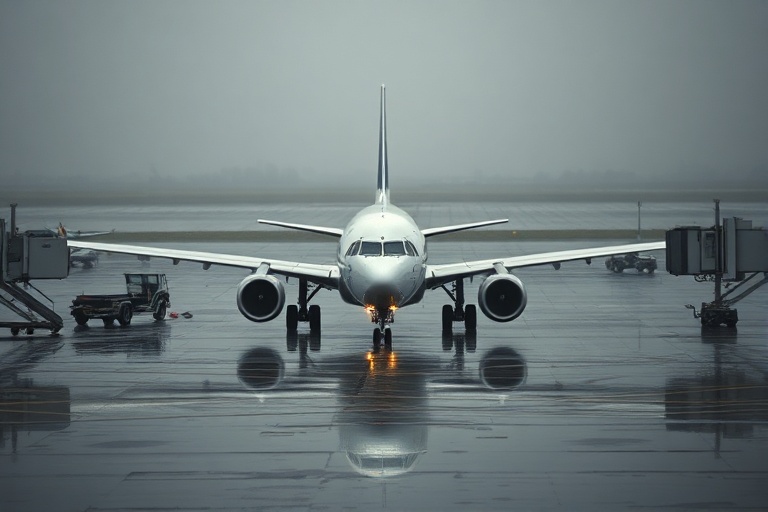
For the second time in six months, a major airline has announced its permanent shutdown, leaving passengers scrambling and industry analysts questioning the stability of the sector. This latest collapse—FlyGlobal Airways—follows a pattern that has become uncomfortably familiar in recent years. From regional carriers to mid-sized operators, airlines continue to vanish at an alarming rate, reshaping the way travelers plan and book flights.
The Collapse of FlyGlobal Airways
FlyGlobal Airways, once a mid-tier carrier with routes spanning three continents, ceased operations on Monday after failing to secure emergency funding. The airline had been struggling for months under the weight of rising fuel costs, labor disputes, and a sharp decline in passenger demand following the summer travel surge. In a statement released late Sunday, the company’s CEO cited “irreconcilable financial challenges” as the reason for the shutdown.
Passengers left stranded are now scrambling to rebook flights or recover lost funds. Many are turning to credit card companies and travel insurance providers, only to find that coverage varies widely depending on the policy. The situation underscores the fragility of the airline industry, where even established carriers are not immune to sudden collapse.
Why Are Airlines Failing So Frequently Now?
The shutdown of FlyGlobal Airways is not an isolated incident. Over the past two years, at least five other airlines worldwide have folded, including regional giants and budget carriers. Several factors contribute to this trend:
- Rising operational costs. Fuel prices remain volatile, and labor shortages have driven up wages for pilots, flight attendants, and ground staff.
- Post-pandemic shifts in travel demand. While leisure travel has rebounded, business travel—historically a lucrative segment—has not fully recovered.
- Intense competition from low-cost carriers. Airlines like Spirit and Frontier have forced traditional carriers to slash fares, squeezing profit margins.
- Regulatory and financial pressures. Stricter environmental regulations and high debt loads have made it difficult for smaller airlines to stay afloat.
These challenges are compounded by the fact that airlines operate on razor-thin margins. A single unexpected expense—a mechanical issue, a fuel price spike, or a labor strike—can push an already struggling carrier into insolvency. As one industry analyst put it, “Airlines are like high-wire acts; one misstep, and the fall is devastating.”
What This Means for Travelers
The shutdown of FlyGlobal Airways serves as a stark reminder of the risks inherent in air travel. While major airlines like Delta and United have robust financial safeguards, smaller carriers often lack the same protections. Travelers booking flights on lesser-known airlines should take precautions:
- Check the airline’s financial health. Websites like Dave’s Locker Travel provide updates on airline stability and passenger reviews.
- Purchase comprehensive travel insurance. Standard policies may not cover airline bankruptcies, so travelers should confirm coverage before booking.
- Monitor fare changes. If an airline’s prices drop suddenly, it could signal financial trouble.
- Consider booking with major carriers. While fares may be higher, the risk of cancellation is significantly lower.
Beyond immediate concerns, the collapse of FlyGlobal Airways raises broader questions about the future of air travel. Will more airlines fail as economic pressures mount? Could this lead to reduced competition and higher fares? The answers remain uncertain, but one thing is clear: the airline industry is at a crossroads.
The Road Ahead: Consolidation or Collapse?
Industry experts are divided on what comes next. Some predict a wave of consolidation, where surviving airlines absorb failing carriers, further reducing competition. Others warn of a domino effect, with smaller airlines collapsing under the weight of financial strain. What is certain is that the landscape of air travel is evolving—and travelers will need to adapt.
For now, passengers are left navigating a patchwork of policies and rebooking fees. The shutdown of FlyGlobal Airways is a cautionary tale, but it may also serve as a wake-up call for an industry in flux. Whether this leads to meaningful reform or further instability remains to be seen.
One thing is clear: the skies are not what they used to be.