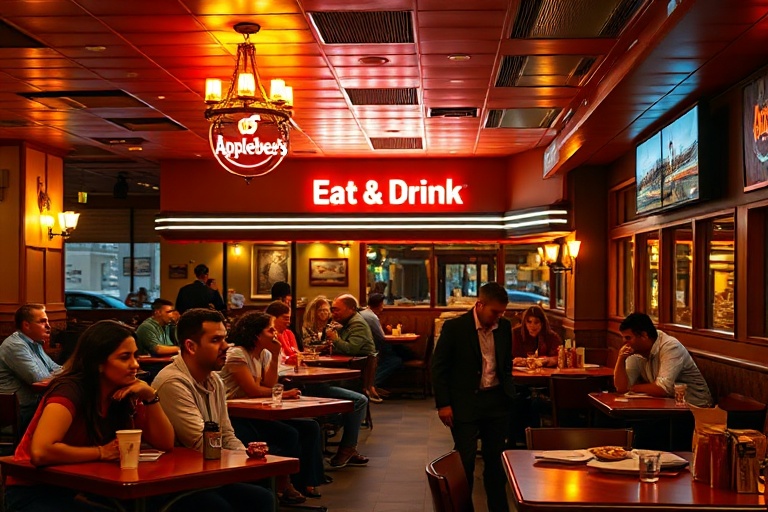
For over four decades, Applebee’s has carved out a unique space in the American dining landscape. What began as a modest burger-and-beer joint in Atlanta in 1980 has grown into one of the country’s most recognizable casual dining chains, with more than 1,600 locations across the United States and 15 other countries. Unlike many competitors that chase trends or pivot entirely, Applebee’s has consistently balanced tradition with innovation, creating a formula that appeals to families, sports fans, and date-night diners alike.
The chain’s longevity isn’t accidental. It’s the result of strategic menu evolution, targeted marketing, and an uncanny ability to adapt to shifting consumer preferences without losing its core identity. While some casual dining brands have struggled to stay relevant, Applebee’s has managed to maintain steady foot traffic and brand loyalty through a combination of nostalgia, affordability, and clever menu engineering.
The Evolution of Applebee’s: From Humble Beginnings to Modern Comfort Food
Applebee’s was founded by Bill and T.J. Palmer in 1980 under the name “T.J. Applebee’s Rx for Edibles & Elixirs.” The original concept was simple: a neighborhood bar and grill serving American comfort food in a casual setting. The name was later shortened to Applebee’s Neighborhood Grill & Bar, reflecting its focus on approachable dining experiences.
In its early years, Applebee’s distinguished itself with a few key innovations. It was one of the first casual dining chains to offer table service at affordable prices, a model that set it apart from fast-casual competitors and full-service restaurants alike. The menu was built around hearty, shareable dishes like ribs, chicken tenders, and burgers—comfort food that resonated with a broad audience.
By the late 1990s and early 2000s, Applebee’s had expanded rapidly, peaking at over 2,000 locations in the U.S. alone. However, the chain faced challenges as consumer tastes shifted toward fresher, healthier options and faster service. Applebee’s responded by modernizing its menu, introducing lighter fare like salads and grilled fish, while also doubling down on its signature comfort dishes.
One of the most significant shifts came in 2017 with the introduction of the “2 for $20” promotion, a limited-time menu that allowed guests to choose two entrees, two sides, and a dessert for a flat price. The promotion was a massive success, driving traffic and sales during a period when many casual dining chains were struggling. It also demonstrated Applebee’s knack for creating shareable, value-driven experiences that encourage repeat visits.
The Menu: A Blend of Classic and Contemporary
The modern Applebee’s menu reflects a careful balance between time-tested favorites and newer, health-conscious options. While the chain is best known for its ribs, steaks, and pasta dishes, recent years have seen the addition of lighter choices like grilled salmon, zucchini noodles, and protein-packed salads. This evolution caters to diners who want comfort food with a side of mindfulness.
Signature items remain central to Applebee’s appeal. The Bourbon Street Steak, a marinated sirloin served with garlic mashed potatoes, exemplifies the chain’s approach: bold flavors, generous portions, and a price point that doesn’t break the bank. Similarly, the neighborhood nachos—a towering platter of tortilla chips topped with seasoned beef, cheese, jalapeños, and sour cream—remain a fan favorite, especially during sports seasons and family gatherings.
The chain has also embraced seasonal specials, such as limited-time offerings tied to holidays or local events. For example, Applebee’s has partnered with sports leagues to create themed menu items, like the “Touchdown Triple-Stack Burger” during the NFL season. These collaborations reinforce the brand’s connection to communal dining and entertainment.
Despite these updates, Applebee’s has resisted the urge to overhaul its menu completely. Instead, it has focused on refining existing dishes and introducing smaller, incremental changes that keep the offerings fresh without alienating loyal customers.
Marketing and Brand Identity: How Applebee’s Stays Relevant
Applebee’s marketing strategy has played a crucial role in its enduring popularity. The brand has long positioned itself as the “neighborhood grill,” emphasizing community, affordability, and approachability. This identity is reinforced through advertising campaigns that highlight real-life moments—family dinners, friendly get-togethers, and casual celebrations—rather than high-concept or celebrity-driven messaging.
One of the most iconic aspects of Applebee’s marketing is its use of the “Applebee’s Time” slogan, which encourages guests to relax and enjoy their meals without rushing. This messaging aligns with the brand’s focus on leisurely dining experiences, as opposed to the grab-and-go model of fast-casual chains.
The chain has also leveraged partnerships to boost its visibility. For instance, Applebee’s has collaborated with sports networks like ESPN to sponsor programming and create themed menu items during major events like the Super Bowl. These partnerships tap into the emotional connection between food, sports, and shared experiences, reinforcing Applebee’s role as a go-to destination for game-day gatherings.
Social media has become another key component of Applebee’s marketing efforts. The brand maintains an active presence on platforms like Facebook, Instagram, and Twitter, where it shares promotions, behind-the-scenes content, and user-generated photos from diners. This strategy helps Applebee’s engage with younger audiences while also fostering a sense of community among its customer base.
Applebee’s has also embraced humor in its advertising, often poking fun at the challenges of modern life. Campaigns like “Eatin’ Good in the Neighborhood” play on the idea of escaping daily stresses with a meal at Applebee’s, resonating with audiences looking for a quick escape.
The Challenges and Comebacks: Navigating Industry Shifts
Despite its successes, Applebee’s has faced its share of challenges. The rise of fast-casual chains like Chipotle and Panera Bread in the 2010s posed a significant threat, as these competitors offered fresher, more customizable meals at similar price points. Applebee’s responded by accelerating its own menu updates and introducing build-your-own options, such as the “Create Your Plate” salad and bowl offerings.
The COVID-19 pandemic further disrupted the casual dining industry, forcing Applebee’s to adapt quickly. Like many restaurant chains, Applebee’s pivoted to emphasize takeout, delivery, and family meal bundles. The chain also introduced contactless ordering and payment options to reassure guests about safety. These changes helped Applebee’s maintain sales during a critical period, even as indoor dining was restricted or discouraged.
Another challenge has been the evolving preferences of younger diners, who often prioritize convenience and digital integration over traditional dining experiences. To address this, Applebee’s has invested in technology, including a revamped mobile app that allows guests to order ahead, earn rewards, and pay directly from their phones. The app also features exclusive promotions and a loyalty program that encourages repeat visits.
Despite these hurdles, Applebee’s has demonstrated resilience. The chain’s ability to balance tradition with innovation has allowed it to weather industry shifts and economic downturns. In 2022, Applebee’s reported positive same-store sales growth for the first time in years, a sign that its strategy was paying off.
Lessons from Applebee’s: What Other Brands Can Learn
Applebee’s offers several key takeaways for other restaurant chains navigating a rapidly changing industry:
- Stay true to your core identity. While Applebee’s has updated its menu and marketing, it has never strayed from its core offering: affordable, comforting food in a casual setting. This consistency builds trust and loyalty among customers.
- Adapt incrementally. The chain has avoided drastic overhauls in favor of smaller, manageable changes that keep the menu fresh without alienating loyal guests.
- Leverage partnerships. Collaborations with sports leagues, entertainment brands, and digital platforms have helped Applebee’s stay relevant and top-of-mind for consumers.
- Embrace technology. Investing in mobile ordering, delivery integrations, and loyalty programs has allowed Applebee’s to meet modern consumer expectations while maintaining its traditional strengths.
What’s Next for Applebee’s?
Looking ahead, Applebee’s appears poised for continued growth, albeit at a more measured pace. The chain has signaled plans to expand its international presence, particularly in markets where casual dining is gaining traction. Domestically, Applebee’s is focusing on enhancing the guest experience through technology and menu innovation.
One area of potential growth is the chain’s catering and family meal offerings. As more consumers prioritize convenience, Applebee’s could further develop its off-premise dining options, including large-format platters for gatherings and corporate events. The success of the “2 for $20” promotion suggests that value-driven family meals could become an even bigger focus.
Applebee’s is also likely to continue refining its menu to cater to health-conscious diners without sacrificing its signature comfort foods. Expect to see more plant-based options, lighter dishes, and customizable choices in the coming years.
The chain’s ability to evolve while staying true to its roots will be critical in an industry where trends come and go quickly. If Applebee’s can maintain its balance between innovation and tradition, it may well continue serving up success for decades to come.
Why Applebee’s Still Matters
In an era where dining preferences are increasingly fragmented, Applebee’s stands out as a rare constant. It’s a place where families celebrate birthdays, friends gather for game day, and couples enjoy a low-key date night. The chain’s enduring appeal lies in its simplicity: good food, good prices, and a welcoming atmosphere.
For many Americans, Applebee’s isn’t just a restaurant—it’s a cultural touchstone. It’s the place where kids first learn to use a knife and fork, where coworkers decompress after a long week, and where communities come together. In a world of fleeting trends and disposable dining experiences, Applebee’s offers something far more valuable: consistency.
As the restaurant industry continues to evolve, Applebee’s serves as a reminder that sometimes, the old ways are the best ways. With the right mix of