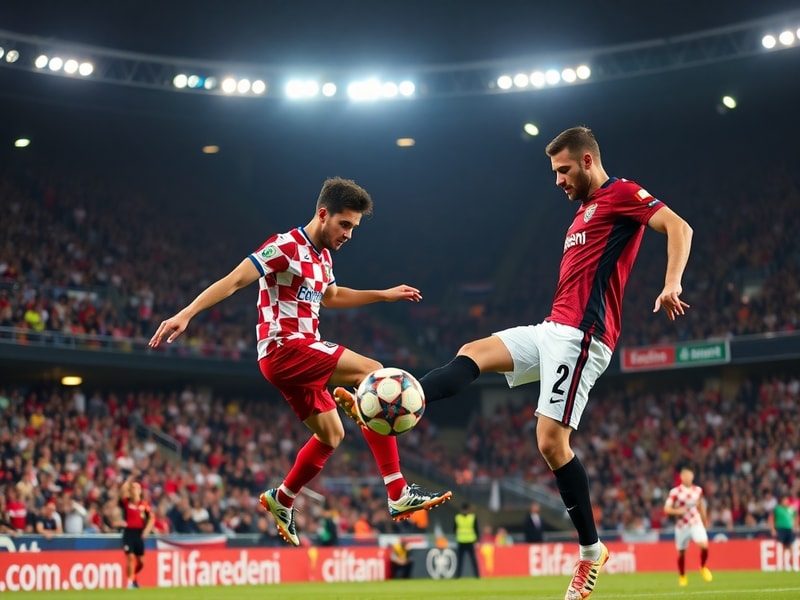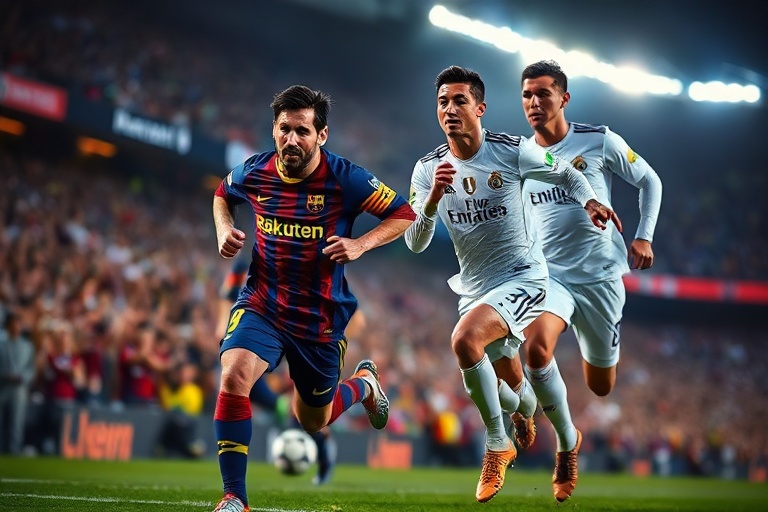
The rivalry between Barcelona and Real Madrid isn’t just a football match—it’s a clash of identities, politics, and culture that transcends the pitch. Known as El Clásico, this fixture is one of the most-watched sporting events in the world, drawing hundreds of millions of viewers globally. More than a game, it represents regional pride, historical tensions, and the very soul of Spanish football.
For over a century, the two clubs have stood as pillars of excellence, yet their differences extend far beyond tactics and trophies. Barcelona, often seen as the underdog, embodies the spirit of Catalonia, while Real Madrid, the establishment, carries the weight of Spain’s royal legacy. When these teams meet, the world stops to watch—and so do the debates.
A Rivalry Born in History and Politics
The roots of this rivalry stretch back to the early 20th century, when football was becoming more than just a pastime. Barcelona was founded in 1899 by Swiss, English, and Catalan players, quickly becoming a symbol of regional identity. Real Madrid, established in 1902, was initially tied to the Spanish monarchy and the elite of Madrid society.
During Francisco Franco’s dictatorship (1939-1975), Catalan culture was suppressed, and Barcelona’s identity came under threat. The club’s motto, Més que un club (“More than a club”), took on deeper meaning as it became a symbol of resistance. Meanwhile, Real Madrid, with its ties to the regime, was often seen as a tool of centralization. These historical tensions still linger in the minds of fans today.
Even the stadiums reflect this divide. Camp Nou, Barcelona’s home ground, is a sprawling fortress in the heart of Catalonia, while Santiago Bernabéu, Real Madrid’s iconic venue, sits in the capital, a stone’s throw from the royal palace. Each match becomes a battleground not just for points, but for pride.
The Global Stage: Why El Clásico Matters Beyond Spain
El Clásico isn’t just Spain’s most important football match—it’s a global spectacle. Broadcast in over 180 countries, it draws an audience that rivals major international tournaments. For many fans outside Spain, the rivalry represents the essence of football: drama, skill, and passion.
Globally, the match has become a cultural touchstone. In cities like New York, Tokyo, and Lagos, bars fill up with supporters draped in blaugrana (Barcelona’s colors) or white (Real Madrid’s). Social media explodes with hashtags, memes, and debates. The fixture has even influenced football culture worldwide, inspiring rivalries in other leagues, from Manchester United vs. Manchester City to Boca Juniors vs. River Plate.
For brands, El Clásico is a marketing goldmine. Sponsors and advertisers clamor for exposure, knowing the match will reach audiences far beyond football’s traditional fanbase. It’s not just about selling jerseys—it’s about selling stories, emotions, and rivalries that resonate across continents.
Key Moments That Defined the Rivalry
The history of El Clásico is filled with unforgettable moments—some glorious, others controversial. These matches have shaped football history and left lasting impressions on fans.
- Di Stéfano’s Move (1953) – Real Madrid’s decision to sign Alfredo Di Stéfano, a player coveted by both clubs, sparked one of football’s earliest and bitterest transfer sagas. His eventual move to Madrid shifted the balance of power for years.
- Maradona’s Masterclass (1983) – In a Copa del Rey match, Barcelona’s Diego Maradona delivered a performance for the ages, dribbling past multiple defenders in a display of genius that still echoes in Catalan football lore.
- Zidane’s Volée (2002) – Real Madrid’s French maestro, Zinedine Zidane, scored one of the most iconic goals in Champions League history—a volley in the 2002 final that secured Madrid’s ninth European title.
- Messi vs. Cristiano (2009-2018) – The personal duel between Lionel Messi and Cristiano Ronaldo elevated the rivalry to new heights. Their battles on the pitch became must-watch events, with each player pushing the other to unprecedented levels.
- Barcelona’s 5-0 Win (2010) – In a dominant display, Barcelona humiliated Real Madrid at Camp Nou, showcasing the brilliance of Messi, Xavi, and Iniesta. The result was seen as a statement of Catalan supremacy.
What’s Next for El Clásico?
The future of El Clásico faces change. Barcelona’s financial struggles and Real Madrid’s continued dominance have shifted the dynamics. With young stars emerging on both sides—like Gavi for Barcelona and Jude Bellingham for Real Madrid—the rivalry is entering a new era.
Yet, the essence remains the same. Whether it’s a league match, a cup final, or a Champions League showdown, the tension is palpable. The players know they’re not just playing for three points—they’re playing for history, pride, and the love of the game.
For fans, El Clásico is more than a match. It’s a ritual, a tradition, and a reminder of why football is the world’s most beloved sport. And as long as Barcelona and Real Madrid stand as giants of the game, the world will keep watching.
Where to Follow the Action
For the latest updates on football and more, stay tuned to Dave’s Locker. Whether you’re a casual fan or a die-hard supporter, the drama of El Clásico never disappoints.