Boston Fleet: History, Modern Role & Future of New England’s Maritime Legacy
The Boston fleet has long stood as a testament to the city’s deep-rooted connection to the sea. From historic schooners to modern commercial vessels, these ships have shaped the economic and cultural landscape of New England. Today, the fleet continues to evolve, balancing tradition with innovation in an era of rapid technological advancement.
The Historical Significance of Boston’s Maritime Fleet
Boston’s maritime history dates back to the early 17th century when the city was established as a key port in the American colonies. The original fleet consisted primarily of wooden sailing ships, which transported goods like timber, fish, and rum between New England and Europe. These vessels were the lifeblood of the colonial economy, laying the foundation for Boston’s future as a commercial hub.
The 19th century marked a turning point with the introduction of clipper ships. Designed for speed, these vessels dominated global trade routes, particularly in the lucrative tea and opium trades. Boston’s shipyards, such as those in East Boston and Chelsea, became renowned for their craftsmanship, producing some of the fastest and most durable ships of the era. The Flying Cloud, built in Boston in 1851, set a world record for the fastest transatlantic crossing, a feat that cemented the city’s reputation in maritime history.
The industrial revolution brought further changes, with steamships gradually replacing sail-powered vessels. Boston’s fleet adapted to this shift, and by the late 19th century, the city was home to a diverse array of commercial and passenger ships. The fleet played a critical role during both World Wars, with many vessels repurposed for military use, including troop transport and supply missions.
Key Historical Figures and Shipyards
The success of Boston’s fleet was not just due to its ships but also the skilled individuals who built and operated them. Some of the most notable figures include:
- Donald McKay: A master shipbuilder whose East Boston yard produced legendary clipper ships like the Flying Cloud and Great Republic.
- Captain Nat Herreshoff: Known as the “Wizard of Bristol,” he revolutionized yacht and naval architecture, designing vessels that dominated international competitions.
- William H. Webb: A prolific shipbuilder whose New York-based firm had strong ties to Boston, contributing to the city’s fleet during the 19th century.
The Modern Boston Fleet: Diversity and Adaptation
Today’s Boston fleet is a far cry from the wooden ships of the past. The modern fleet includes a mix of commercial, research, and recreational vessels, each serving distinct purposes. Commercial shipping remains a cornerstone, with companies like Tidal Transport and Boston Harbor Cruises operating fleets that support both local and international trade.
The fleet also plays a vital role in scientific research. Institutions like the Woods Hole Oceanographic Institution (WHOI) and the University of Massachusetts Boston operate research vessels equipped with cutting-edge technology. These ships conduct critical studies on climate change, marine biology, and oceanography, contributing to global scientific knowledge.
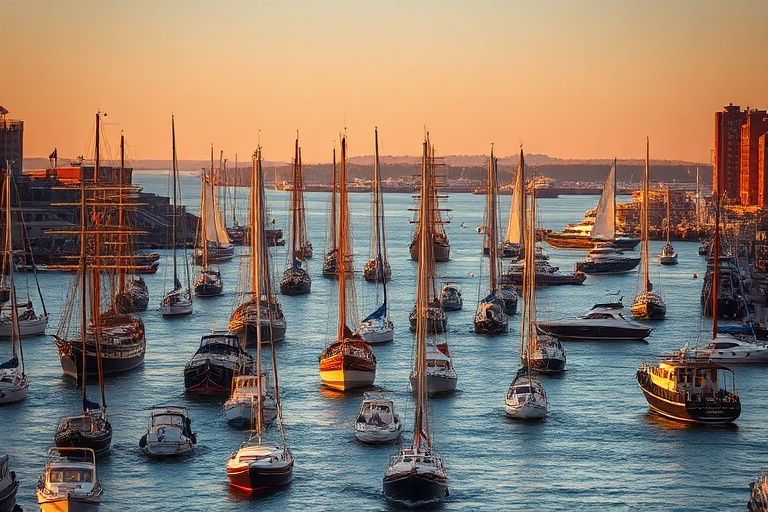
Recreational boating has seen a surge in popularity, with Boston’s harbor and surrounding waters hosting everything from sailboats to luxury yachts. Events like the Boston Sailboat Show and the Harpoon Boston Harborfest celebrate this aspect of the fleet, drawing enthusiasts from across the region.
Notable Modern Ships and Operators
The Boston fleet today includes a variety of ships, each with its own unique role:
- Research Vessels: RV Atlantis (WHOI) – A deep-sea exploration ship used for oceanographic research.
- Commercial Ferries: MBTA Harbor Express – Provides commuter and tourist transport between Boston and surrounding areas.
- Recreational Sailboats: Freedom (owned by local sailing clubs) – A popular choice for competitive and leisure sailing.
- Luxury Yachts: Alfa Romeo (private) – A high-performance vessel often seen in local regattas.
Challenges and Future Prospects
The Boston fleet faces several challenges, including environmental regulations, rising operational costs, and competition from other ports. The International Maritime Organization’s (IMO) 2020 sulfur cap regulations have forced shipowners to adopt cleaner fuels or invest in scrubber technology, adding financial strain. Additionally, the COVID-19 pandemic disrupted global supply chains, impacting the commercial fleet’s operations.
Despite these challenges, the future of Boston’s fleet looks promising. The city is investing in green shipping initiatives, with projects like the Boston Green Ribbon Commission aiming to reduce carbon emissions from maritime activities. Innovations such as electric ferries and hydrogen-powered ships are being explored, positioning Boston as a leader in sustainable maritime practices.
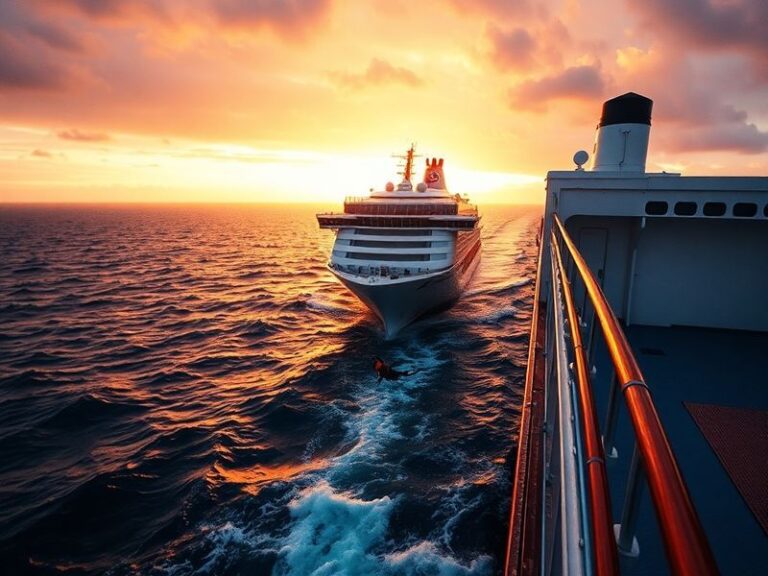
The fleet’s role in tourism is also expanding. With Boston’s harbor becoming a prime destination for cruise ships, the local economy benefits from increased visitor spending. The city’s waterfront development projects, such as the Seaport District and Harborwalk, further enhance the fleet’s appeal, attracting both locals and tourists to maritime activities.
Policy and Infrastructure Developments
Several initiatives are underway to support the fleet’s growth and sustainability:
- Massachusetts Clean Energy Center (MassCEC): Funding research into alternative fuels and energy-efficient vessel designs.
- Boston Harbor Now: A nonprofit organization working to improve harbor infrastructure and promote waterfront access.
- State and Federal Grants: Financial incentives for shipowners to adopt eco-friendly technologies and upgrade aging vessels.
Cultural and Economic Impact
Beyond its economic contributions, the Boston fleet holds deep cultural significance. The city’s maritime heritage is celebrated through museums like the USS Constitution Museum and the Boston Marine Society, which preserve and promote the history of seafaring. Annual events such as the Boston Harborfest and the New England Boat Show draw thousands of visitors, fostering a sense of community and pride in the fleet’s legacy.
Economically, the fleet supports thousands of jobs, from shipbuilding and maintenance to tourism and logistics. The Port of Boston is the largest on the U.S. East Coast, handling over 20 million tons of cargo annually. This activity generates billions in revenue and sustains local businesses, from restaurants to marine suppliers.
The fleet also serves as an educational resource. Local schools and universities, such as the Massachusetts Maritime Academy, offer programs that train the next generation of mariners, engineers, and maritime professionals. These institutions ensure that Boston remains a hub for maritime expertise, further solidifying its reputation as a leader in the industry.
Maritime Education and Workforce Development
The Boston fleet’s future depends on a skilled workforce, and several programs are dedicated to training the next generation:
- Massachusetts Maritime Academy: Offers degrees in marine engineering, marine transportation, and environmental science.
- Community College Programs: Institutions like Bunker Hill Community College provide certifications in marine technology and small vessel operations.
- Apprenticeships: Companies like Boston Harbor Cruises partner with local schools to offer hands-on training for aspiring mariners.
Conclusion: A Fleet for the Future
The Boston fleet stands at a crossroads, balancing its rich history with the demands of a modern, sustainable future. From its origins as a colonial trading post to its current role as a hub for research, commerce, and recreation, the fleet has continually adapted to meet the needs of the times. As environmental regulations tighten and technology advances, Boston’s maritime community is rising to the challenge, embracing innovation while preserving its storied past.
For those who call Boston home, the fleet is more than just a collection of ships—it’s a symbol of resilience, ingenuity, and pride. Whether it’s the sight of a historic tall ship gliding into the harbor or the hum of a modern research vessel heading out to sea, the Boston fleet remains an enduring testament to the city’s unbreakable bond with the ocean. As it sails into the future, the fleet will undoubtedly continue to shape Boston’s identity, economy, and culture for generations to come.