Bracknell’s Transformation: From Post-War Town to Modern Economic Hub
Bracknell Through the Decades: From Post-War Town to Modern Hub
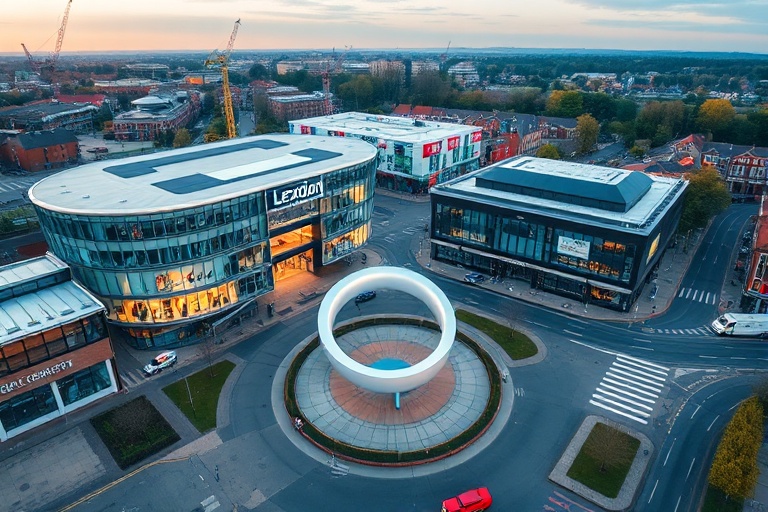
Bracknell, a town in Berkshire, England, has undergone remarkable transformations since its post-war inception. Originally a small village, it expanded rapidly in the mid-20th century as part of the London new town movement. Today, it stands as a blend of modern infrastructure and historical roots, serving as a key player in the region’s economic and cultural landscape.
The town’s development reflects broader trends in British urban planning. Its strategic location, just 30 miles west of London, made it an ideal candidate for expansion. By the 1960s, Bracknell had evolved into a planned community with purpose-built amenities, attracting both businesses and residents. This deliberate growth set the stage for its current status as a thriving suburban center.
The Rise of Bracknell’s Business and Technology Sectors
Bracknell’s transformation into a business hub is one of its most defining features. The town became a magnet for technology and financial services companies, particularly in the late 20th century. Firms like Dell, Fujitsu, and Waitrose established major operations here, drawn by its proximity to London and skilled workforce.
This economic shift had ripple effects across the region. Bracknell’s unemployment rate dropped significantly, and its commercial real estate market flourished. The town’s business parks, such as Easthampstead Park and Skimped Hill Lane, became synonymous with innovation and enterprise. Today, Bracknell continues to attract tech startups and established corporations alike, reinforcing its reputation as a dynamic economic player.
For those interested in the broader implications of Bracknell’s economic growth, exploring the Trending section on Dave’s Locker provides further insights into similar urban developments across the UK.
Cultural and Recreational Highlights in Bracknell
Beyond its economic contributions, Bracknell offers a rich tapestry of cultural and recreational activities. The town is home to several parks, including South Hill Park, a 40-acre green space that hosts art exhibitions, live music, and theater performances. The Bracknell Forest also provides ample opportunities for outdoor enthusiasts, with walking trails and cycling routes winding through its scenic landscapes.
The town’s cultural scene is further enriched by events like the Bracknell Beer Festival and the annual Carnival. These gatherings not only foster community spirit but also draw visitors from neighboring areas, boosting local businesses. Bracknell’s commitment to preserving its heritage while embracing modernity is evident in its well-maintained public spaces and vibrant event calendar.
For a deeper look into how smaller towns like Bracknell are revitalizing their cultural identities, the Culture section on Dave’s Locker offers compelling examples from across the country.
Education and Future Prospects in Bracknell
Education has always been a priority in Bracknell, with institutions like Bracknell & Wokingham College playing a crucial role in shaping its workforce. The college offers a wide range of vocational and academic programs, aligning with the needs of local industries. Additionally, primary and secondary schools in the area consistently perform well in national rankings, ensuring that families have access to quality education.
The town’s future prospects look equally promising. With ongoing infrastructure projects, including improvements to transport links and housing developments, Bracknell is poised for continued growth. The local council’s focus on sustainability and innovation positions the town as a model for future urban planning. As Bracknell evolves, it remains a testament to the power of strategic development and community engagement.
Key Takeaways About Bracknell’s Evolution
Bracknell’s journey from a post-war village to a modern economic and cultural hub offers valuable lessons. Below are some of the most significant factors that have shaped its growth:
- Strategic Planning: The town’s expansion was carefully orchestrated to balance residential, commercial, and recreational needs.
- Economic Diversification: Attracting a mix of industries ensured resilience and steady growth.
- Community Focus: Investments in parks, schools, and cultural events fostered a strong sense of belonging among residents.
- Future-Readiness: Ongoing infrastructure projects and sustainability initiatives prepare Bracknell for the challenges of tomorrow.
Conclusion: Why Bracknell Matters
Bracknell’s story is more than just a tale of urban development—it’s a blueprint for how towns can adapt and thrive in a rapidly changing world. By prioritizing economic diversification, cultural enrichment, and strategic planning, Bracknell has secured its place as a key player in the Southeast’s growth story. As it continues to evolve, the town serves as an inspiring example for other communities looking to balance progress with preservation.
The lessons from Bracknell extend beyond Berkshire. They highlight the importance of foresight, community involvement, and adaptability in shaping resilient towns. For those interested in the broader themes of urban development, Dave’s Locker provides a wealth of analysis and insights to explore further.