Published on
Breeze Airways, the rapidly growing U.S.-based carrier known for its low-cost, high-efficiency model, has unveiled ambitious plans to launch several new international routes in 2026. The airline, founded by serial entrepreneur David Neeleman, has consistently disrupted the domestic market with its focus on underserved secondary airports and point-to-point service. Now, it’s turning its attention overseas, signaling a new chapter in its expansion strategy.
The carrier’s leadership confirmed in a recent investor briefing that 2026 will mark its first major foray into international service, with a carefully curated selection of destinations designed to leverage its operational strengths. This move comes as the global aviation market continues to recover from post-pandemic disruptions, with demand for affordable international travel rising steadily.
Why 2026? The Strategic Timing Behind the Expansion
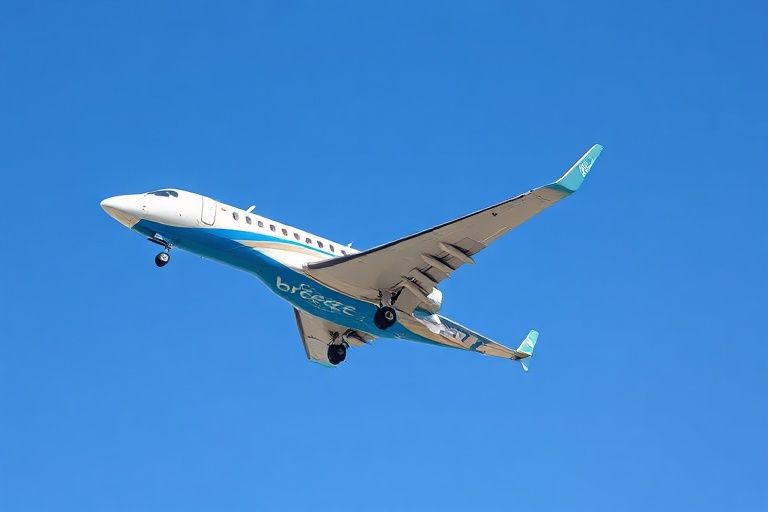
Breeze Airways’ decision to launch international routes in 2026 is rooted in both market conditions and operational readiness. The airline has spent the past few years solidifying its domestic network, which now spans over 50 cities across the United States. With a fleet of 60 Airbus A220 aircraft—renowned for their fuel efficiency and long-range capabilities—the airline is well-positioned to extend its reach beyond North America.
Industry analysts point to several factors driving this timing:
- Recovering international demand: Global travel has rebounded to near pre-pandemic levels, with leisure and business travelers increasingly seeking affordable options.
- Slot availability: Major international hubs like London, Paris, and Reykjavik have seen fluctuations in carrier competition, creating opportunities for new entrants.
- Regulatory clarity: The U.S. Department of Transportation has streamlined approval processes for new international routes, reducing bureaucratic hurdles.
- Fuel price stability: While volatile, current projections suggest manageable fuel costs, a critical factor for budget airlines.
The airline’s leadership has emphasized that 2026 provides a “Goldilocks window”—not too early to risk overcapacity, not too late to miss the wave of pent-up travel demand. Breeze’s model, which thrives on filling gaps in the market, aligns perfectly with this strategy.
Destinations on the Horizon: Where Breeze is Headed
While the full roster of international routes won’t be finalized until mid-2025, Breeze has provided a preliminary list of cities it’s targeting for 2026 launch. These destinations were selected based on a combination of demand forecasts, competitive gaps, and operational feasibility.
Primary International Routes Announced
- Reykjavik, Iceland (KEF): A seasonal route launching in June 2026, capitalizing on Iceland’s booming tourism industry and direct appeal to U.S. travelers seeking summer adventures.
- London-Gatwick, UK (LGW): A year-round service set to begin in March 2026, targeting the lucrative transatlantic market with competitive pricing against legacy carriers.
- San José del Cabo, Mexico (SJD): A winter seasonal route starting in December 2026, tapping into the growing demand for warm-weather getaways from the U.S. East Coast.
- Lisbon, Portugal (LIS): A new year-round route launching in September 2026, reflecting Lisbon’s rise as a top European destination for American tourists.
- Montego Bay, Jamaica (MBJ): An expansion of Breeze’s existing Caribbean service, with increased frequency to meet year-round demand.
These routes were chosen not only for their popularity but also for their compatibility with Breeze’s operational model. Secondary airports like London-Gatwick (rather than Heathrow) and Reykjavik-Keflavik (rather than smaller regional airports) offer the infrastructure and passenger volume needed to sustain the airline’s high-frequency, low-cost approach.
How Breeze Plans to Compete in the Global Market
Entering the international arena is a significant leap for Breeze Airways, which has built its reputation on domestic routes. To succeed, the airline will need to adapt its well-honed strategies to the complexities of cross-border travel. Here’s how leadership plans to navigate the challenges:
Operational Adaptations
The airline is retrofitting its Airbus A220 fleet to accommodate international flights, including adding overhead bin space for larger carry-on items and upgrading in-flight entertainment systems. While Breeze’s reputation for no-frills service will remain intact, the airline is introducing a “Breeze Plus” fare class on international routes, offering perks like priority boarding and checked baggage allowances.
Pricing Strategy
Breeze’s hallmark low fares will be a key differentiator. Industry reports suggest the airline plans to undercut competitors by 15-25% on comparable routes. For example, a round-trip ticket from New York to London could start as low as $299, compared to $450-$600 with legacy carriers. This aggressive pricing is expected to attract price-sensitive travelers and leisure tourists.
Marketing and Branding
The airline is leaning into its “Fly Happy” brand messaging, emphasizing affordability without sacrificing comfort. Campaigns will target millennials and Gen Z travelers, who prioritize experiences over amenities and are more likely to book based on price. Social media will play a central role, with Breeze leveraging its strong digital presence to promote the new routes.
“We’re not trying to be another legacy carrier. We’re offering a fresh alternative for travelers who want to explore the world without breaking the bank. Our international routes are designed to complement, not compete directly with, the big players.”
David Neeleman, Founder of Breeze Airways
To build loyalty, Breeze is also introducing a “BreezePoints” program, offering rewards for frequent international travelers. While not as robust as major airline loyalty schemes, the program is tailored to budget-conscious flyers who prioritize flexibility over luxury.
Challenges and Considerations for Breeze’s International Debut
Despite its preparations, Breeze Airways faces significant challenges as it ventures into international waters. The airline’s success will depend on its ability to navigate regulatory hurdles, manage operational risks, and differentiate itself in a crowded market.
Regulatory and Logistical Hurdles
International routes require compliance with bilateral air service agreements between the U.S. and destination countries. Breeze has already begun negotiations with aviation authorities in the UK, Iceland, Portugal, and Mexico to secure the necessary slots and permissions. Delays in these processes could push back launch dates.
Additionally, the airline must contend with varying customs and immigration requirements. For example, flights to Europe will require compliance with the European Union’s Entry/Exit System (EES), which could slow down boarding processes if not managed efficiently.
Competitive Pressures
Breeze will enter a market dominated by established players like Delta, United, and American Airlines, as well as budget competitors like Norwegian Air and Play Airlines. To stand out, it will need to leverage its reputation for reliability and customer service—a strength that has helped it thrive domestically.
There’s also the question of fuel costs. While Breeze’s A220s are fuel-efficient, international flights are inherently more expensive to operate due to longer flight times and higher landing fees. The airline’s leadership has indicated that hedging strategies will be employed to mitigate risk, but external factors like geopolitical tensions or oil price spikes could still impact profitability.
Consumer Trust and Brand Perception
As a relatively young airline, Breeze must build trust with international travelers who may be hesitant to fly with a carrier they’re less familiar with. The airline’s strong domestic reputation—particularly its on-time performance and customer service ratings—will be critical in overcoming skepticism.
To address this, Breeze plans to partner with local travel agencies and tourism boards in its destination cities to promote its services. It’s also investing in targeted advertising campaigns to highlight its unique value proposition.
What This Means for Travelers and the Industry
Breeze Airways’ international expansion is more than just a milestone for the airline—it’s a sign of broader trends reshaping the global aviation industry. For travelers, the arrival of a new low-cost international carrier could mean lower fares, more route options, and increased competition driving innovation.
Opportunities for Travelers
Passengers stand to benefit from Breeze’s entry into the international market in several ways:
- Lower fares: Competitive pricing could make destinations like Iceland and Portugal more accessible to budget-conscious travelers.
- New route options: Secondary airports like London-Gatwick and Lisbon offer unique advantages, including less congestion and easier access to city centers.
- Enhanced flexibility: Breeze’s point-to-point model means fewer connections and more direct routes, reducing travel time and stress.
For example, a traveler in Boston looking to visit Lisbon could previously expect to pay $700-$900 round-trip with a legacy carrier. With Breeze, that price could drop to $400-$500, making the trip far more affordable.
Impact on the Aviation Industry
Breeze’s move could pressure other low-cost carriers and legacy airlines to adjust their pricing and route strategies. In particular, European budget airlines like Ryanair and EasyJet may feel compelled to respond with their own promotions or route expansions.
The airline’s success could also inspire other