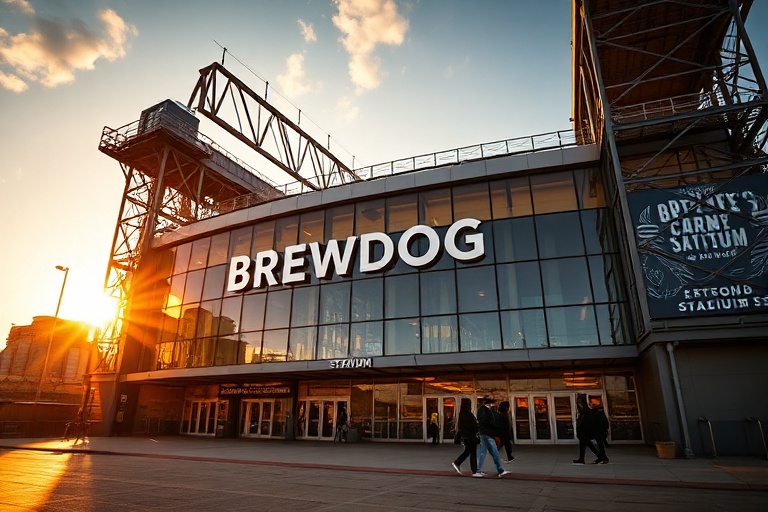
BrewDog Stadium: How a Craft Beer Empire Redefined Football Culture
From Punk Ethos to Premier Pitch: The Story Behind BrewDog Stadium
BrewDog Stadium stands as more than just a football club—it represents a cultural shift in how sports and craft beer intersect. Founded in 2020, the club is the brainchild of James Watt and Martin Dickie, the same duo who revolutionized the beer industry with BrewDog, the world’s largest craft brewery. The stadium, located in the Scottish town of Livingston, isn’t just a 10,000-capacity venue; it’s a statement.
Watt, BrewDog’s co-founder and the club’s chairman, has long been vocal about rejecting the traditional corporate model of football. Instead, he advocates for a fan-owned approach, where supporters have a direct stake in the club’s success. This philosophy is embedded in the stadium’s DNA, from its transparent pricing to its community-focused events. The stadium isn’t just a place to watch a match; it’s a gathering spot for beer enthusiasts, activists, and football purists alike.
The Architectural and Cultural Impact of the Stadium
Designed by 3D Reid Architects, BrewDog Stadium blends modern functionality with a nod to industrial heritage. The exterior features a sleek, angular facade made of precast concrete and glass, while the interior prioritizes accessibility and fan experience. The most striking feature is the 360-degree concourse, ensuring no one is more than a few steps from a pint of craft beer—whether it’s a local ale or a limited-edition BrewDog brew.
Culturally, the stadium has become a symbol of defiance against the commercialization of football. In an era where clubs are often seen as playthings for billionaires, BrewDog FC offers an alternative. The club’s ethos aligns with the punk-rock roots of its founders, emphasizing authenticity over profit. This resonates globally, particularly in regions where football has lost touch with its working-class origins.
- Fan Ownership: Supporters can buy shares in the club, giving them a voice in decision-making.
- Community Hub: The stadium hosts brewery tours, live music, and even activist events alongside matches.
- Sustainability Focus: BrewDog’s commitment to carbon neutrality extends to the stadium, with solar panels and energy-efficient systems.
A Global Model for Football and Beyond
BrewDog Stadium isn’t just a Scottish curiosity—it’s part of a broader movement reshaping how we view sports infrastructure. Clubs like FC United of Manchester and FC St. Pauli in Germany have long championed fan ownership, but BrewDog FC takes it further by integrating a craft beer brand into the model. This fusion of football and brewing creates a unique ecosystem where the two industries reinforce each other.
Internationally, the stadium has sparked conversations about the role of commercial partnerships in sports. While some critics argue that aligning with a major brand like BrewDog dilutes the club’s grassroots appeal, others see it as a pragmatic solution to financial sustainability. The stadium’s success could inspire similar ventures in other industries, proving that sports clubs don’t need to sell their souls to thrive.
For example, in the United States, where craft beer culture is booming, a stadium like BrewDog’s could serve as a blueprint for minor league baseball teams or even esports arenas. The key is flexibility—designing spaces that can host concerts, corporate events, or community gatherings while remaining rooted in the club’s identity.
Beyond the Pitch: What’s Next for BrewDog Stadium?
The stadium’s future is as dynamic as the club itself. Plans include expanding the brewery’s on-site production, hosting international friendlies, and even exploring esports partnerships. Watt has hinted at ambitions to make BrewDog FC a global brand, with the stadium serving as a flagship venue.
One of the most exciting prospects is the stadium’s potential role in Scotland’s bid to host major tournaments. With UEFA’s financial fair play regulations tightening, venues like BrewDog Stadium could become attractive alternatives to traditional, debt-ridden stadiums. The club’s debt-free status and fan-owned model make it a low-risk option for tournaments, provided it can meet infrastructure requirements.
Additionally, the stadium’s cultural programming is evolving. From hosting indie bands to political debates, the venue is positioning itself as a cultural hub. This aligns with BrewDog’s broader mission to challenge norms, whether in beer, business, or entertainment.
“Football clubs should be about community, not just results. Our stadium is built for the people who care—not just about winning, but about how we win.” — James Watt, BrewDog Co-Founder and Chairman
Why BrewDog Stadium Matters in Today’s Sports Landscape
In an age where football is increasingly dominated by oligarchs and sovereign wealth funds, BrewDog Stadium offers a refreshing counterpoint. It proves that clubs can succeed without sacrificing their values—or their fans’ wallets. The stadium’s model is replicable, scalable, and adaptable, making it a case study for the future of sports infrastructure.
For fans tired of seeing their clubs turned into marketing tools, BrewDog FC is a beacon of hope. For beer enthusiasts, it’s a dream destination. And for urban planners, it’s a template for multi-use venues that prioritize community over commercialization.
As the stadium continues to grow, its influence will likely extend far beyond Scotland. Whether it’s through partnerships, tours, or simply inspiring other clubs to adopt fan-friendly models, BrewDog Stadium is carving out a legacy that transcends the beautiful game.