BrewDog Stadium: How Scotland’s Craft Beer Giant Is Redefining Live Entertainment
BrewDog Stadium: A New Era for Scottish Sports and Entertainment
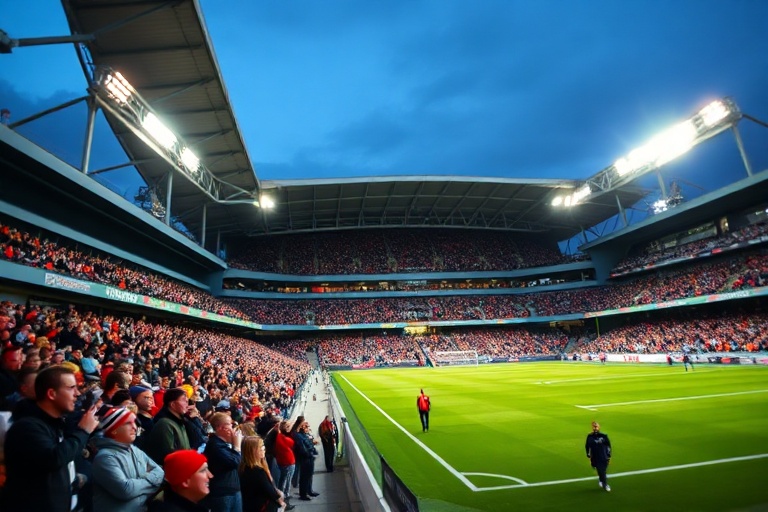
In the heart of Scotland, BrewDog Stadium stands as a symbol of innovation, ambition, and community. Opened in 2021 after a £50 million transformation of the former Falkirk Stadium, the venue has quickly become more than just a football ground—it’s a cultural hub that reflects the values of its parent company, BrewDog, the world’s largest craft beer brand. With a 12,000-capacity and state-of-the-art facilities, BrewDog Stadium is redefining what it means to host live events in the 21st century.
The stadium’s journey from a modest regional club to a multi-purpose entertainment destination mirrors broader trends in Scottish sports and leisure. While football remains central, BrewDog’s influence has expanded the venue’s appeal beyond the pitch, integrating craft beer culture, music, and corporate events into its core identity. This shift is not just about revenue diversification—it’s about creating a new kind of fan experience, one that aligns with modern expectations of sustainability, inclusivity, and authenticity.
The Origins: From Falkirk to BrewDog
Falkirk FC, the stadium’s original tenant, had long struggled with financial instability and aging infrastructure. By 2017, the club faced relegation and the threat of ground closure. Enter BrewDog, which purchased a majority stake in the club in 2017, pledging to revitalize both the team and the stadium. The brewery’s investment wasn’t just financial—it was ideological. BrewDog’s co-founders, James Watt and Martin Dickie, infused the project with their brand’s ethos: transparency, sustainability, and a commitment to local communities.
The renovation process was extensive. The stadium’s capacity was increased from 7,937 to 12,000, with new seating tiers, premium hospitality suites, and a revamped pitch. The most striking addition was the “Craft Beer Corner,” a 2,000-square-foot bar area dedicated to BrewDog’s own brews, as well as local Scottish craft beers. This wasn’t just a commercial venture; it was a statement about the role of breweries in modern sports culture.
Beyond Football: A Multi-Purpose Venue with a Difference
BrewDog Stadium’s design reflects its ambition to be more than a football ground. The venue hosts a diverse range of events, from gigs by bands like Texas and The Proclaimers to corporate conferences and even esports tournaments. This versatility is key to its financial viability, especially in a post-pandemic landscape where live entertainment venues must adapt or risk obsolescence.
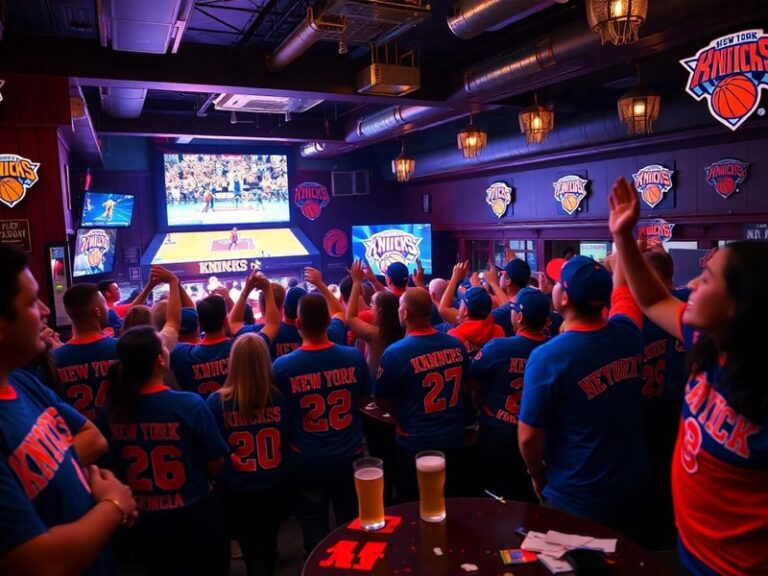
The stadium’s layout prioritizes fan experience. The concourses are spacious, with ample standing areas and wheelchair-accessible seating. The BrewDog taproom, located within the stadium, offers a unique pre- and post-match experience, blending sports culture with craft beer immersion. Even the naming rights deal—BrewDog Stadium rather than a corporate sponsor—signals a commitment to authenticity over traditional commercialism.
Here are some of the key features that set BrewDog Stadium apart:
- Sustainability Focus: Solar panels, rainwater harvesting, and a commitment to net-zero carbon emissions by 2030.
- Local Partnerships: Collaborations with Scottish breweries and food vendors to support local economies.
- Fan Engagement: Interactive zones, including a “BrewLab” where fans can learn about beer brewing.
- Community Initiatives: Free youth football clinics and mental health awareness campaigns.
- Tech Integration: Cashless payments, augmented reality wayfinding, and high-speed Wi-Fi.
The Broader Implications: Sports, Beer, and the Future of Live Events
BrewDog Stadium is part of a larger shift in how sports and entertainment venues operate. The traditional model—where a stadium is just a place to watch a game—is no longer sufficient. Fans now expect immersive experiences, whether that’s craft beer tastings, live music, or interactive technology. BrewDog’s involvement has accelerated this trend, proving that breweries can be more than sponsors—they can be co-creators of the fan experience.
This model has implications beyond football. In the U.S., venues like Milwaukee’s Deer District and Boston’s Fenway Park have embraced beer culture as part of their identity. In Europe, clubs like FC Barcelona and Bayern Munich have partnered with local breweries to offer exclusive brews. BrewDog Stadium is a case study in how these partnerships can work at a grassroots level, where the brewery and the club share values and a commitment to community.
However, the stadium’s model isn’t without challenges. BrewDog’s own controversies—ranging from labor disputes to accusations of toxic workplace culture—have raised questions about the ethics of corporate ownership in sports. While the stadium itself operates smoothly, the broader brand’s reputation could impact fan perceptions. This tension between idealism and reality is a microcosm of modern corporate involvement in sports, where authenticity is both a selling point and a risk.
What’s Next for BrewDog Stadium?
The stadium’s future looks bright, with plans to expand its event calendar and further integrate sustainability initiatives. There’s also potential for international partnerships, particularly in markets where craft beer is growing rapidly, such as the U.S. and Australia. For Falkirk FC, the stadium represents a lifeline, but its success depends on balancing commercial viability with the club’s grassroots identity.
For fans, BrewDog Stadium offers a glimpse into the future of live entertainment—a place where sports, beer, and community intersect. It’s a model that could inspire similar projects across the UK and beyond, proving that stadiums can be more than just venues. They can be experiences.
A New Benchmark for Scottish Sports Culture
BrewDog Stadium is more than a football ground; it’s a cultural experiment. By merging the worlds of craft beer and sports, it has created a template for how venues can evolve in an era of changing consumer expectations. Its success will depend on whether it can maintain its authenticity while scaling up its ambitions. For now, it stands as a testament to what happens when innovation meets tradition—and a reminder that the future of live entertainment might be brewing right here in Scotland.
For those interested in the intersection of sports and culture, BrewDog Stadium is a case worth watching. It’s not just about football anymore; it’s about reimagining what a stadium can be.
To explore more on the evolving landscape of sports venues and cultural trends, visit our Sports and Culture sections.