Disney Cruise Ship Incident: What Happened and Why It Matters
Disney Cruise Line Incident: What Really Happened and Why It Matters
The recent Disney Cruise Line incident has sent ripples through the travel industry and sparked conversations among families who trust the brand. On a seemingly ordinary voyage, passengers experienced delays, disruptions, and unexpected challenges that tested the company’s reputation for seamless entertainment and reliability. While Disney has a long-standing history of delivering magical experiences, this event serves as a reminder that even the most meticulously planned journeys can encounter unforeseen obstacles.
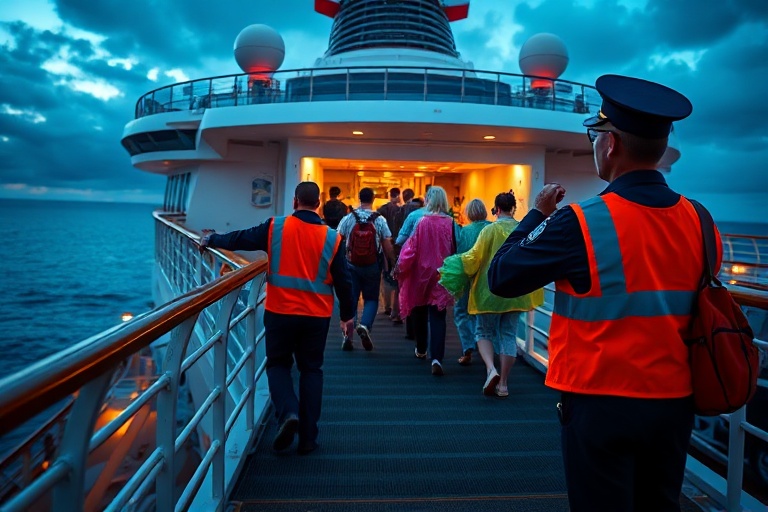
The incident unfolded during a seven-day Caribbean cruise, a route popular for its family-friendly appeal and scenic destinations. Reports indicate that technical difficulties with the ship’s propulsion system led to significant delays, leaving passengers stranded at sea for extended periods. For families traveling with children, the situation quickly transformed from a dream vacation into a logistical challenge, forcing them to adapt to changing plans and limited onboard activities.
What makes this incident particularly noteworthy is its timing. Disney Cruise Line has positioned itself as a leader in family travel, emphasizing safety, comfort, and entertainment. The disruption not only affected the immediate passengers but also raised broader questions about the cruise industry’s preparedness for technical failures. As global tourism rebounds post-pandemic, incidents like this can influence consumer confidence and traveler expectations.
How the Cruise Line Responded: Crisis Management in Real Time
Disney Cruise Line’s response to the incident has been a focal point of discussion among travelers and industry analysts. Within hours of the issue arising, the company issued statements acknowledging the technical difficulties and assuring passengers of their safety. However, the delays persisted, and frustration grew among those onboard who expected more timely updates and alternative solutions.
Passengers reported that while Disney staff worked diligently to address concerns, communication gaps left many feeling uninformed about revised itineraries and available amenities. Some families took to social media to share their experiences, highlighting the emotional toll of disrupted plans. For a brand synonymous with seamless magic, these moments of disconnection can erode trust, especially when expectations are high.
The company eventually arranged for partial refunds and onboard credits as gestures of goodwill, yet the incident underscores the delicate balance cruise lines must maintain between operational challenges and customer satisfaction. In an era where social media amplifies both praise and criticism, how companies respond to crises can define their long-term reputation.
A Global Perspective: How This Incident Reflects Broader Cruise Industry Trends
This Disney Cruise Line incident is not an isolated event but rather a reflection of broader trends within the cruise industry. As ships grow larger and itineraries become more ambitious, the risk of technical failures and logistical hiccups increases. The Caribbean, a primary destination for many cruise lines, presents unique challenges, from unpredictable weather to crowded ports, all of which can disrupt even the most carefully crafted plans.
Globally, cruise lines are under scrutiny not only for their operational reliability but also for their environmental impact and labor practices. Incidents like this one serve as a catalyst for deeper conversations about industry standards and accountability. For example, the European Union has recently implemented stricter regulations for cruise ships operating in its waters, focusing on emissions and passenger safety. Meanwhile, in the United States, the entertainment and hospitality sectors are watching closely to see how Disney’s handling of this situation might influence consumer expectations.
From a cultural standpoint, cruises have long been a symbol of leisure and exploration, appealing to diverse audiences across continents. However, incidents like the one aboard Disney’s ship can shift perceptions, particularly among families who prioritize safety and reliability. The cruise industry must address these concerns proactively to maintain its appeal in an increasingly competitive market.
Lessons Learned: What Families and Travelers Should Consider Moving Forward
For families planning future cruises, this incident offers valuable lessons. First and foremost, it highlights the importance of travel insurance. Policies that cover trip interruptions and delays can provide financial protection and peace of mind when unforeseen events occur. Additionally, passengers should familiarize themselves with the cruise line’s policies on refunds and compensation, as these can vary significantly between companies.
Another takeaway is the need for realistic expectations. While cruises promise relaxation and adventure, they are not immune to operational challenges. Travelers should research their chosen cruise line’s track record, read recent reviews, and consider the specific amenities and activities offered. For those with young children, verifying the availability of kid-friendly activities and medical facilities is essential.
Lastly, this incident serves as a reminder to stay informed. Following the cruise line’s official channels for updates and having a backup plan for excursions can mitigate stress when disruptions occur. In an age where information travels instantly, passengers are better equipped than ever to advocate for their needs and seek alternative solutions.
Conclusion: Balancing Magic with Reality in Cruise Travel
The Disney Cruise Line incident, while unfortunate, offers an opportunity for reflection and improvement within the travel industry. For a brand built on enchantment and reliability, the event serves as a reminder that even the most meticulously crafted experiences can encounter challenges. How companies respond to these moments defines their resilience and commitment to customer satisfaction.
As global tourism continues to evolve, the cruise industry must prioritize transparency, preparedness, and passenger well-being. For families, the key takeaway is to approach travel with a blend of excitement and pragmatism. By planning ahead, staying informed, and choosing reputable providers, travelers can continue to enjoy the magic of cruising while navigating the realities of modern travel.
Key Takeaways for Travelers
- Purchase travel insurance to protect against unforeseen disruptions.
- Research the cruise line’s policies on refunds and compensation.
- Verify the availability of kid-friendly activities and medical facilities.
- Stay informed through official channels and have a backup plan for excursions.
- Set realistic expectations and prepare for potential operational challenges.
Ultimately, the Disney Cruise Line incident is a chapter in a much larger story about the evolving expectations of travelers worldwide. While setbacks are inevitable, how the industry and its passengers adapt will shape the future of cruise travel for years to come.