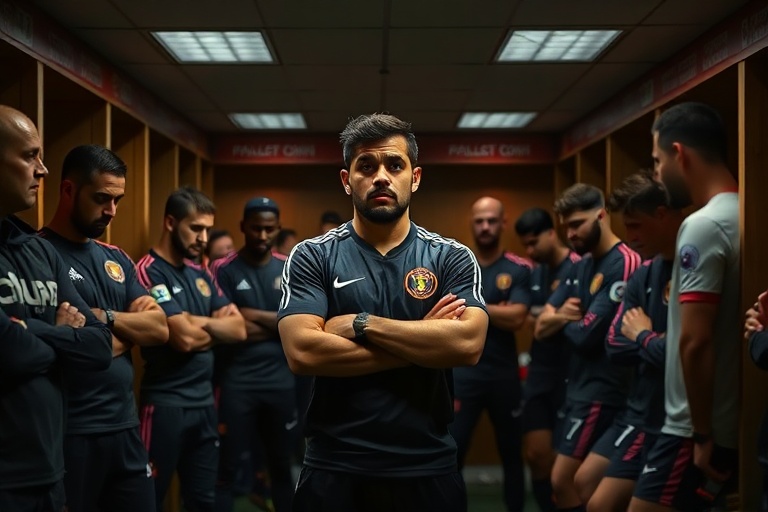
Bruno Fernandes Dressing Room Row Explained: What Happened at Man Utd
The Manchester United dressing room became the epicenter of controversy recently when reports emerged of a dressing room row involving Portuguese midfielder Bruno Fernandes. The incident, which unfolded behind closed doors, has since sparked intense speculation among fans and pundits alike. What began as an internal team matter quickly escalated into a global discussion about leadership, accountability, and the pressures of top-flight football.
Sources close to the club described the altercation as “tense but brief,” though its implications may linger far beyond the initial outburst. Fernandes, a key figure for both club and country, has found himself at the center of scrutiny that extends beyond his on-field performances. This episode offers a rare glimpse into the psychological and social dynamics that shape professional football teams in the modern era.
The Context Behind the Conflict
Manchester United’s 2023–24 season has been one of inconsistency, with the team failing to meet expectations despite a talented squad. Fans have grown increasingly vocal in their criticism, and internal tensions have simmered beneath the surface. Reports suggest the dressing room row stemmed from frustration over tactical decisions and perceived lack of accountability among senior players.
Fernandes, who serves as one of the team’s vice-captains, has been a consistent performer but has faced scrutiny over his leadership style. Some teammates reportedly expressed dissatisfaction with his communication and approach in high-pressure situations. While such discussions are not uncommon in football, the public nature of this dispute has amplified its significance.
According to insider accounts, the confrontation occurred after a post-match debrief. Multiple players were involved, though Fernandes was singled out in initial reports. Club management has yet to comment publicly, but the episode raises questions about the effectiveness of internal communication and conflict resolution within elite football environments.
A Global Perspective: Football’s Culture of Silence
The Fernandes dressing room row is not an isolated incident. Football’s culture often discourages open dialogue about internal conflicts, favoring discretion over transparency. This approach, while historically ingrained, can foster resentment and miscommunication when left unaddressed.
In contrast, clubs like Bayern Munich and Liverpool are known for structured player feedback sessions and mediation processes. Manchester United’s traditional “hairdryer treatment” style of management—known for its intensity—may contribute to such outbursts when frustrations accumulate without resolution.
Culturally, the incident reflects broader tensions in European football: the balance between individual expression and collective responsibility. Fernandes, who hails from Portugal’s footballing tradition known for its technical and tactical rigor, now finds himself navigating the complexities of the English game’s physical and emotional demands.
Key Factors in the Row
- Tactical frustrations: Reports indicate dissatisfaction with recent formations and player roles.
- Communication breakdown: Alleged lack of clarity in team discussions post-match.
- Leadership expectations: Fernandes’ role as vice-captain under scrutiny for on-field and off-field influence.
- Pressure from results: Declining performance metrics heightening internal tensions.
Manchester United’s Path Forward
How United responds to this incident will be closely watched, both by fans and rival clubs. Manager Erik ten Hag has emphasized unity, but the dressing room row may force a deeper evaluation of team culture. Some analysts suggest implementing structured player forums or appointing a team liaison to facilitate communication.
For Fernandes, the challenge is twofold: maintaining his reputation as a leader while navigating the fallout from a rare public dispute. His response—whether through improved performances or private reconciliation—will shape his legacy at the club.
The incident also serves as a reminder that even elite athletes are subject to the same human emotions that define workplace dynamics worldwide. In an era where player power is increasingly visible, managing expectations and fostering open dialogue may be as crucial as tactical decisions on the pitch.
What Fans Can Expect
United’s next fixtures will be closely scrutinized, with supporters eager to see if the dressing room row has a tangible impact on results. Early indications suggest the team remains focused, but the psychological toll of internal strife cannot be ignored.
For Fernandes, a strong run of form could help shift the narrative. Meanwhile, club leadership may take proactive steps to prevent further escalation, including facilitated discussions or enhanced mental health support for players.
As the season progresses, this episode may come to be seen as a turning point—or simply a footnote in a challenging campaign. What remains clear is that football, despite its glamour, operates within the same human complexities as any high-pressure organization.
“Football dressing rooms are microcosms of society—intense, emotional, and sometimes volatile. The way leaders like Fernandes handle such moments often defines their legacy more than trophies.” — Football analyst
Whether this row ultimately strengthens or weakens the squad remains to be seen. One thing is certain: in the unforgiving world of elite football, perception and reality often collide with lasting consequences.