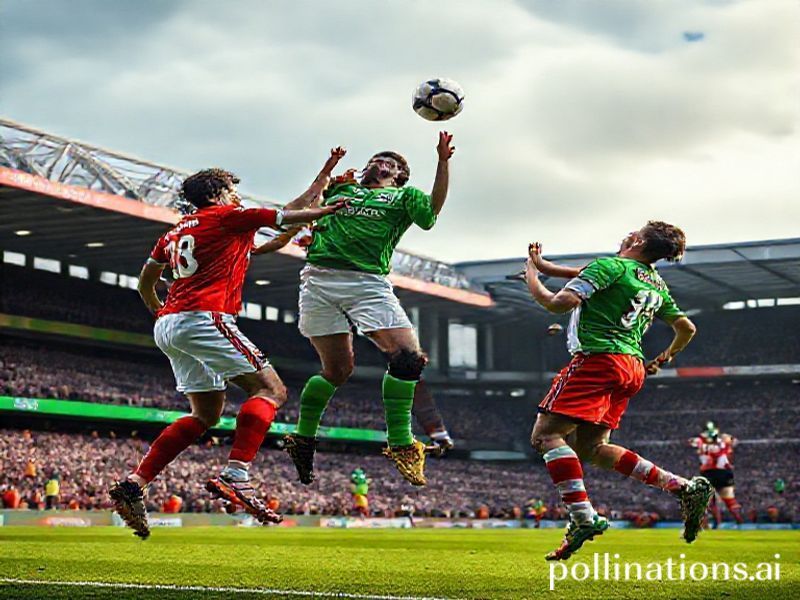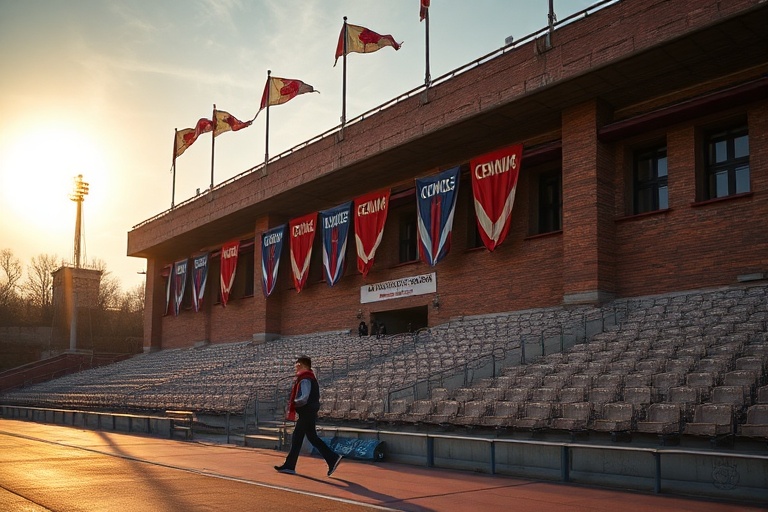
Founded in 1903, Unione Sportiva Cremonese represents more than a century of football tradition in Italy. Based in Cremona, a city in the Lombardy region, the club has experienced dramatic highs and lows. Today, it stands as a symbol of regional pride and tactical evolution in Italian football.
Unlike the powerhouse clubs from Milan, Turin, or Rome, Cremonese has carved its identity through resilience rather than dominance. With a stadium capacity of just over 19,000, the club operates on a smaller scale, yet its influence extends far beyond its modest dimensions. The club’s journey reflects broader themes in football: the tension between heritage and innovation, local identity and global ambition.
From Humble Beginnings to Serie A Recognition
Cremonese’s early years were defined by local competition rather than national prominence. The club spent decades in the lower divisions, gradually climbing the ranks through perseverance and strategic recruitment. Its breakthrough came in the 1980s, when it earned promotion to Serie B, Italy’s second tier, for the first time.
That decade marked a turning point. Under the leadership of president Domenico Luzzara, the club stabilized in Serie B and began investing in youth development. The crowning achievement arrived in 1993, when Cremonese secured promotion to Serie A under manager Luigi Simoni. The team’s style was pragmatic, built on defensive structure and set-piece efficiency—traits that would define its identity for years.
During its single season in Serie A, Cremonese finished 10th with notable results, including draws against Juventus and Inter Milan. Though relegated the following year, the club had proven its ability to compete at the highest level. This period remains a defining chapter in its history, often recalled with nostalgia by long-time supporters.
A Club Steeped in Local Culture
Cremonese’s connection to its community is one of its most compelling aspects. The club’s nickname, “Grigiorossi” (Gray-Reds), reflects its traditional colors, chosen to honor the brick-red clay and gray stone of Cremona’s historic buildings. The stadium, Stadio Giovanni Zini, is more than a venue—it is a cultural landmark, hosting not just football but concerts and local events.
The club’s anthem, “Forza grigio-rossa,” is sung passionately by fans who view their support as a civic duty. Unlike globalized football franchises, Cremonese thrives on grassroots engagement. Supporters’ groups organize events throughout the year, and the club maintains strong ties with local schools and youth academies.
This sense of belonging has kept the club relevant even during financially turbulent times. While larger clubs chase global audiences, Cremonese has focused on nurturing loyalty within its province—a strategy that has preserved its authenticity.
Tactical Evolution: From Defensive Solidity to Modern Football
Cremonese’s tactical identity has evolved significantly over the past three decades. In the 1990s, its approach was rooted in defensive organization, led by players like midfielder Massimo Pedrazzini. The team prioritized compactness, limiting opponents’ space through disciplined positioning and quick transitions.
In the 2010s, under managers such as Luigi Delneri and Fabrizio Corini, the club began experimenting with a more fluid 4-3-1-2 formation. This shift reflected broader trends in Italian football, where creativity and pressing became increasingly valued. Cremonese’s 2017-18 Serie B campaign, which saw the club narrowly miss promotion, featured dynamic attacking football led by forward Massimo Coda.
Today, Cremonese’s style blends pragmatism with technical refinement. The current squad, managed by Maurizio Ganz, emphasizes high pressing and quick transitions, aligning with modern Serie B demands. Key players like midfielder Luca Valzania and forward Samuel Di Carmine embody this approach—technically gifted yet physically robust.
Challenges and the Path Forward
Despite its rich history, Cremonese faces persistent challenges. Financial constraints often limit its ability to compete with wealthier clubs. In 2020, the club was acquired by Italian businessman Sergio Porcelli, whose investment stabilized operations but did not eliminate the need for prudent management.
Promotion to Serie A in 2022 marked a major milestone, but survival in the top flight remains an uphill battle. The club’s squad depth and tactical flexibility are continually tested against teams with far greater resources. Yet, Cremonese’s success is not solely measured in points—it is also seen in its ability to develop young talent and maintain fan engagement.
The club’s recent transfer strategy has focused on signing players with strong technical profiles from lower divisions and neighboring countries. This approach ensures affordability while maintaining competitive quality. The academy, led by youth coach Marco Baroni, has also produced talents like midfielder Davide Frattesi, who later moved to Inter Milan—a testament to Cremonese’s role in the Italian football ecosystem.
Why Cremonese Matters in Italian Football
Cremonese occupies a unique space in Italian football. It is neither a giant nor a mere participant—it is a club that represents the soul of its region. Its story reflects the broader challenges and opportunities in modern football: balancing tradition with progress, local identity with global exposure.
The club’s recent campaigns in Serie B and Serie A have been closely watched by analysts and fans alike. Observers often highlight its ability to punch above its weight, a quality that resonates in an era dominated by financial disparity. Cremonese’s journey serves as a reminder that football’s beauty lies not only in trophies but in resilience, community, and tactical evolution.
As the club looks ahead, its ambitions remain clear: to establish itself as a consistent presence in Serie A while preserving its cultural roots. With a dedicated fanbase and a commitment to sustainable growth, Cremonese is more than a club—it is a living tradition.
The Role of Supporters and Future Aspirations
Supporters play a crucial role in Cremonese’s future. The club’s fanbase, known for its vocal presence at Stadio Giovanni Zini, has been instrumental in maintaining morale during difficult seasons. Initiatives like the “Cremonese nel Cuore” (Cremonese in the Heart) campaign have strengthened community bonds, blending football with social responsibility.
Looking forward, Cremonese aims to build on its recent success. The club has outlined a five-year plan that includes improving infrastructure, expanding youth programs, and securing long-term financial stability. These goals are ambitious but grounded in realism—a reflection of the club’s character.
For football purists, Cremonese represents an ideal: a club where passion outweighs payrolls, where history is honored, and where ambition is tempered by authenticity. As Italian football continues to evolve, Cremonese stands as a testament to the enduring power of tradition and the quiet strength of understated ambition.
For fans of the game, Cremonese offers a compelling narrative—one of perseverance, identity, and the unyielding pursuit of excellence, no matter the odds.
Explore more about Italian football clubs and their histories on Dave’s Locker Sports.
For in-depth analysis of tactical trends in Serie B, visit our Analysis section.