Cuba’s Economic Journey: Tourism, Trade, and Reform in 2024
Cuba’s Economic Crossroads: Tourism, Trade, and Reform
The island nation of Cuba has long stood at the intersection of global politics, economic adaptation, and cultural preservation. As the world continues to grapple with shifting trade policies, tourism trends, and domestic reforms, Cuba remains a focal point for economists, historians, and travelers alike. The country’s unique position—sandwiched between decades of socialist governance and increasing pressure to open its markets—has created a dynamic environment where tradition meets transition.
Recent years have seen Cuba navigating a delicate balance. On one hand, it relies heavily on tourism, a sector that has struggled since the COVID-19 pandemic but shows signs of recovery. On the other, it faces tightening economic constraints due to U.S. sanctions and global inflation. Meanwhile, internal reforms aimed at decentralizing the economy are slowly unfolding, raising questions about the country’s long-term trajectory.
The Pulse of Tourism: A Fragile Recovery
Tourism has always been a lifeline for Cuba, drawing millions of visitors each year to its beaches, colonial cities, and vibrant culture. Before the pandemic, the island welcomed over four million tourists annually, contributing significantly to its GDP. However, the global health crisis brought travel to a near standstill, and recovery has been uneven.
In 2023, Cuba saw a modest rebound, with arrivals reaching approximately 2.4 million visitors—still below pre-pandemic levels but a marked improvement from 2020 and 2021. The Cuban government has pinned its hopes on European and Canadian tourists, who have been slower to return compared to their Latin American neighbors. Yet challenges persist: aging infrastructure, fuel shortages, and bureaucratic hurdles continue to deter some travelers.
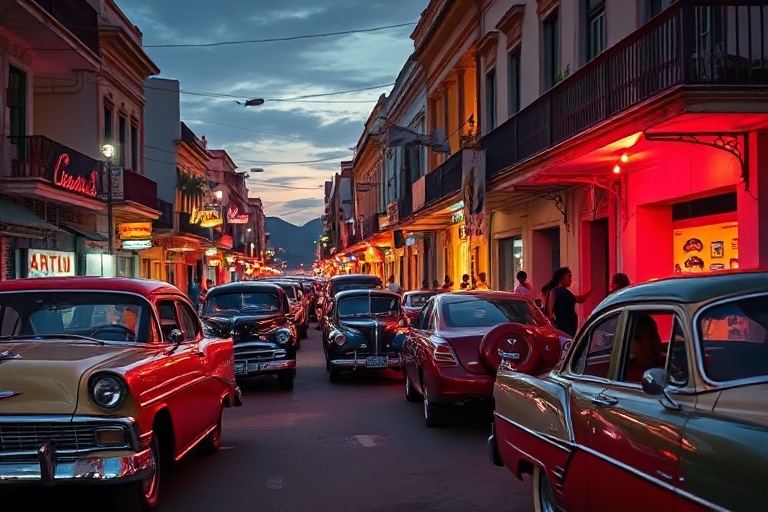
For those who do visit, Cuba offers an unparalleled blend of history and authenticity. From the cobblestone streets of Old Havana to the tobacco fields of Viñales, the island’s cultural richness remains undiminished. However, the economic strain is palpable. Many businesses, particularly in the private sector, operate on razor-thin margins. The rise of paladares—family-run restaurants—and casas particulares—homestays—has injected some dynamism into the economy, but these ventures often face regulatory scrutiny and limited access to resources.
As tourism gradually revives, the question lingers: Can Cuba sustain its appeal without addressing deeper structural issues? The answer may lie in how well it balances its cultural allure with the practical needs of a modernizing economy.
Trade and Sanctions: The Weight of External Pressures
No discussion of Cuba’s current challenges is complete without acknowledging the impact of U.S. sanctions. The embargo, in place since 1962, has long stifled Cuba’s economic growth, limiting access to global markets and foreign investment. While some exemptions exist—particularly in agriculture and medicine—the restrictions remain a significant barrier.
In recent months, there have been tentative signs of easing. The Biden administration has permitted limited flights to Cuban provinces outside Havana, a move aimed at supporting private businesses. Additionally, remittances from the Cuban diaspora have seen a slight uptick, providing a much-needed financial lifeline. Yet, the overall picture is still one of constraint. Many international companies remain hesitant to engage with Cuba due to the legal risks associated with sanctions violations.
Cuba has responded by seeking new trade partners. Russia, China, and Venezuela have emerged as key allies, providing oil, credit, and investment in exchange for political and strategic alignment. However, these relationships come with their own set of dependencies. For instance, Cuba’s reliance on subsidized oil from Venezuela has fluctuated alongside that country’s economic crises, forcing Havana to adapt quickly.
The broader geopolitical landscape adds another layer of complexity. As global powers jockey for influence in Latin America, Cuba finds itself caught in the middle. The island’s socialist government has historically positioned itself as a counterbalance to U.S. dominance in the region, but this stance becomes increasingly difficult to maintain amid shifting alliances and economic pressures.
Reforms and Decentralization: A Slow but Steady Shift
Amid these external pressures, Cuba has embarked on a series of economic reforms aimed at decentralizing its state-dominated economy. In 2021, the government introduced a series of measures to expand the private sector, including allowing small businesses to operate more freely and easing restrictions on foreign investment in certain industries.
The reforms are part of a broader effort to modernize the economy without abandoning socialism. However, progress has been slow and uneven. Many Cubans remain skeptical, recalling past promises of change that failed to materialize. The government’s cautious approach reflects a balancing act: too much liberalization risks social unrest, while too little perpetuates stagnation.
One notable development is the expansion of cooperatives—worker-owned enterprises that operate outside the state sector. These cooperatives have sprouted up in sectors like food services, construction, and transportation, offering a glimpse of what a more diversified economy might look like. Yet, their growth is constrained by limited access to credit, bureaucratic red tape, and competition from state-run entities.
Another area of reform is the agricultural sector, where Cuba has long struggled with food shortages despite its fertile land. The government has begun leasing idle state-owned land to private farmers, a move that has led to some productivity gains. However, the sector remains hamstrung by outdated infrastructure and a lack of modern farming equipment.
For ordinary Cubans, these reforms are a double-edged sword. While some have benefited from new economic opportunities, others face rising costs and limited job security. The government’s commitment to social welfare programs, such as free healthcare and education, remains a point of pride, but the strain on public resources is becoming increasingly apparent.
Cultural Resilience in Times of Change
Despite the economic challenges, Cuba’s cultural vibrancy endures. Music, art, and literature continue to flourish, serving as both a source of national pride and a form of soft power on the global stage. The country’s rich artistic traditions—from Afro-Cuban rhythms to surrealist paintings—have long captivated audiences worldwide.
However, the cultural sector is not immune to the broader economic strains. Many artists struggle to make ends meet, and government funding for the arts remains limited. The rise of digital platforms has created new opportunities for exposure, but it has also intensified competition. Younger generations, in particular, are turning to social media to share their work, bypassing traditional gatekeepers.
The tension between preservation and innovation is evident in Cuba’s music scene. While genres like son and rumba remain iconic, younger musicians are experimenting with electronic beats and hip-hop, blending tradition with modernity. Festivals like the Havana World Music Festival showcase this diversity, drawing international audiences while celebrating homegrown talent.
Similarly, Cuban cinema continues to earn accolades abroad, with filmmakers like Fernando Pérez and Alejandro Brugués gaining recognition for their nuanced portrayals of Cuban life. Yet, the industry faces its own set of challenges, including limited funding and censorship concerns.
A Glimpse into the Future
As Cuba navigates its complex present, the road ahead remains uncertain. The interplay of tourism, trade, and internal reforms will shape the island’s trajectory in the coming years. For now, Cuba stands as a testament to resilience—a nation that has weathered decades of isolation, economic hardship, and global shifts while preserving its cultural soul.
The path forward will require bold decisions. Whether it’s deepening market reforms, diversifying trade partners, or investing in infrastructure, the choices made today will determine Cuba’s role in the 21st century. One thing is clear: the world will be watching closely.
For those interested in exploring Cuba’s cultural landscape further, consider diving into its music scene or examining the impact of digital innovation on its arts. The island’s story is far from over, and its next chapter may yet redefine its place on the global stage.