Devil May Cry Season 2: A Global Revival for the Iconic Franchise
The anticipation for Devil May Cry Season 2 has reached a fever pitch among fans worldwide. After years of speculation and delays, the announcement of a second season has re-energized the franchise’s dedicated community. This revival isn’t just about nostalgia—it reflects broader trends in anime and gaming adaptations, where long-running series are getting second lives through streaming platforms.
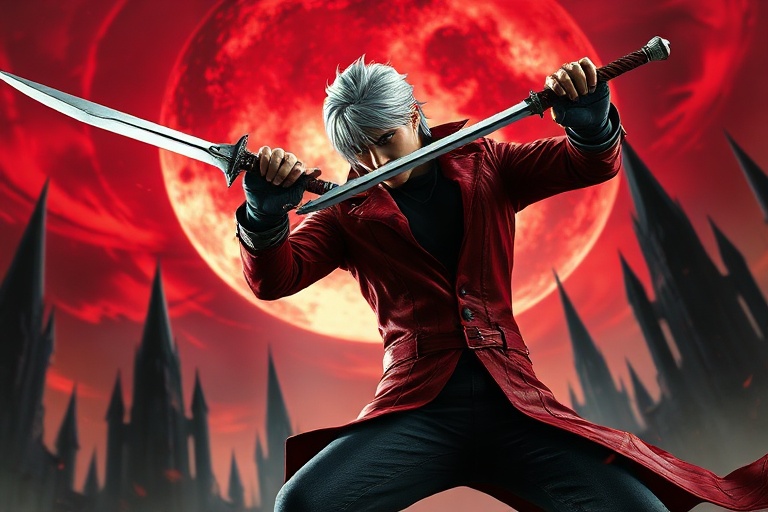
From Tokyo to Los Angeles, discussions about Dante’s return are dominating forums and social media. The original Devil May Cry anime, which aired in 2007, left a lasting mark on anime fans despite its mixed reception. A second season could either solidify its legacy or face scrutiny from both old and new audiences. The stakes are high, but so is the potential.
The Evolution of Devil May Cry: From Game to Screen
Devil May Cry began as a cult classic action game in 2001, developed by Capcom. Its stylish combat, over-the-top protagonist Dante, and gothic aesthetic set it apart in the gaming world. The anime adaptation, produced by Madhouse, took liberties with the source material, focusing more on Dante’s backstory and the supernatural conflicts of the Devil Arms.
While the anime didn’t perfectly align with the games, it cultivated a niche fanbase. The success of the first season, despite its flaws, proved that the franchise had a market. Today, anime adaptations of video games are more common, with titles like Castlevania and Cyberpunk: Edgerunners demonstrating the medium’s potential. A second season of Devil May Cry would tap into this growing trend, blending anime’s visual flair with gaming’s action-packed narratives.
Globally, the franchise’s appeal spans continents. In Japan, where anime is a cultural cornerstone, Devil May Cry remains a recognizable name. In the West, the games have a dedicated following, and the anime introduced many to the series. A second season could bridge these audiences, offering a fresh take while respecting the original’s roots.
Cultural Significance: Why Devil May Cry Still Matters
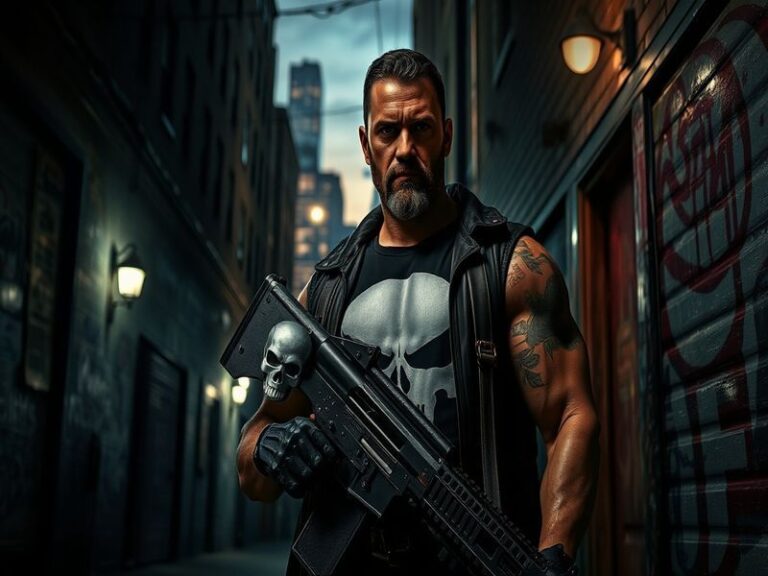
Devil May Cry isn’t just about demon-slaying—it’s a celebration of style and individuality. Dante’s flamboyant personality, his arsenal of iconic weapons, and the franchise’s punk-rock aesthetic have made it a symbol of rebellion in gaming. This ethos resonates across cultures, from the streets of Harajuku to the underground clubs of Berlin.
The franchise’s themes of defiance and self-expression align with modern youth culture. In an era where mainstream media often prioritizes conformity, Devil May Cry stands out as a relic of unapologetic creativity. A second season could leverage this cultural cachet, positioning Dante as an icon for a new generation of fans.
Internationally, the anime’s influence is evident. Cosplay communities worldwide have embraced Dante’s look, and fan art continues to thrive on platforms like DeviantArt and Twitter. The franchise’s visual language—think neon-lit battles against demonic foes—has seeped into other media, from fashion to music videos. A revival would amplify this cultural footprint, ensuring Devil May Cry remains relevant in the global pop culture landscape.
What Fans Are Hoping For in Season 2
Fans have spent years theorizing about what a second season could entail. Based on announcements and leaks, here’s what the global fanbase is most excited (and anxious) about:
- Deeper Storytelling: The first season glossed over key lore, such as the origins of the Devil Arms and the true nature of Dante’s powers. A second season could delve into these mysteries, satisfying long-time fans.
- New Characters: Introducing fresh faces like Nero or Vergil would add depth to the narrative. The anime could explore their arcs, which were only briefly touched upon in the games.
- Improved Animation: The first season’s animation, while stylish, was inconsistent. Modern anime techniques could elevate the action sequences, making battles more dynamic.
- Global Setting: Expanding the story beyond Dante’s usual haunts—perhaps to Europe or the Americas—could add fresh visuals and cultural flavors to the series.
- Music and Tone: The franchise’s signature rock soundtrack is iconic. A second season could feature collaborations with international artists to amplify its rebellious energy.
Of course, risks remain. The anime industry’s production challenges could lead to delays or compromises in quality. Some fans worry that Western animation influences might dilute the franchise’s Japanese identity. Others hope for a balance—honoring the original’s spirit while embracing modern storytelling techniques.
The Road Ahead: Industry Trends and Challenges
The timing of Devil May Cry Season 2 is no coincidence. The anime industry is booming, with streaming platforms like Crunchyroll and Netflix investing heavily in adaptations. However, this growth comes with challenges. High production costs, creative differences, and the pressure to meet fan expectations can derail even the most anticipated projects.
For Capcom, the decision to greenlight a second season reflects confidence in the franchise’s longevity. The company has seen success with other adaptations, such as Monster Hunter: Legends of the Guild, which blended anime and gaming elements seamlessly. A well-executed Devil May Cry season could set a new standard for how game-based anime are received.
Globally, the anime market is evolving. In Southeast Asia, for example, local studios are producing high-quality content that rivals Japan’s output. A second season could inspire collaborations between Japanese and international creators, fostering cross-cultural exchanges. This would not only enrich the franchise but also strengthen anime’s global appeal.
Yet, the road to release won’t be smooth. Behind-the-scenes reports suggest that production is already underway, with a team of veteran animators and writers involved. Fan feedback from early trailers has been cautiously optimistic, but the true test will come with the season’s premiere. Will it live up to the hype, or will it stumble under the weight of expectations?
Conclusion: A Franchise Reborn
Devil May Cry Season 2 represents more than just a sequel—it’s a potential rebirth for a franchise that has defined generations of fans. Its success could redefine how game-based anime are perceived, proving that even decades-old series can thrive in the modern era. For global audiences, it’s an opportunity to reconnect with a character who embodies rebellion, style, and unyielding strength.
As the release date approaches, the hype is undeniable. But the real question isn’t whether fans are excited—it’s whether the season will deliver on its promise. If it does, Dante’s legacy will burn brighter than ever. If not, the franchise may face a reckoning. One thing is certain: the world is watching, and the stakes have never been higher.