King’s Speech 2026: Policy, Tradition & What to Expect
The King’s Speech is one of the most anticipated political and ceremonial events in the British calendar. Held at the State Opening of Parliament, it sets the legislative agenda for the year ahead while reinforcing the monarchy’s symbolic role in the nation’s governance. As we look ahead to the 2026 address, scheduled for early next year, several key factors are shaping expectations.
The event is not merely a formality—it is a carefully choreographed moment that reflects both tradition and contemporary priorities. With a new government potentially in place and pressing national challenges on the table, the 2026 speech is expected to carry unusual weight. Analysts and commentators are already parsing every detail, from policy announcements to royal protocol nuances.
The Political Context: A Shifting Landscape
The timing of the 2026 King’s Speech is particularly significant. If the current general election cycle confirms a change in government, the speech will serve as a bridge between past and future policy agendas. Historically, incoming administrations use the King’s Speech to signal their priorities, even when delivered by a monarch rather than an elected leader.
Recent polling suggests a highly competitive electoral environment. Parties are preparing legislative packages that could focus on economic recovery, public sector reform, and constitutional questions. The speech will likely reflect whichever party holds power, though delivered through the neutral voice of the Crown.
One emerging theme is the potential inclusion of bills addressing AI regulation, green energy investment, and housing shortages—issues that cross party lines but demand urgent attention. The monarch’s role remains ceremonial, but the speech’s content will be closely scrutinized for signals about national priorities.
Key Policy Areas Likely to Feature
While the full text remains confidential until delivery, informed speculation points to several areas:
- Economic Stability and Growth: Measures to support businesses, control inflation, and stimulate investment are expected.
- Healthcare Reform: Long-term funding solutions for the NHS and social care integration remain high on the agenda.
- Climate and Energy: Legislation aligning with net-zero commitments, including renewable energy incentives and carbon pricing.
- Constitutional Updates: Possible discussions around devolution, House of Lords reform, or voting rights.
- Digital Infrastructure: Bills to enhance cybersecurity, data privacy, and digital public services.
These areas reflect both continuity with past speeches and adaptation to current crises. The monarchy’s enduring role in national life depends on its ability to remain relevant without overstepping political boundaries.
The Ceremonial Significance: Tradition Meets Modernity
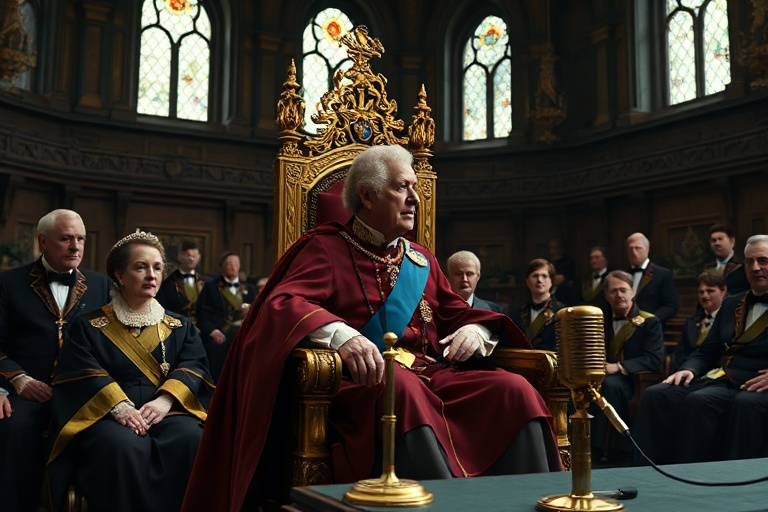
The King’s Speech is steeped in centuries of tradition. The monarch delivers it from the House of Lords, dressed in parliamentary robes, after a procession from Buckingham Palace. The speech itself is written by the government and read aloud by the King, emphasizing the separation of ceremonial and executive functions.
Yet even tradition evolves. The 2026 speech is expected to incorporate subtle modern touches. For instance, there may be a greater emphasis on inclusivity in language, reflecting societal changes. The King has previously spoken about mental health and youth engagement, themes likely to resonate in the upcoming address.
Security and logistics also play a major role. With heightened global tensions and domestic protest movements, the event requires extensive planning. The ceremony involves hundreds of participants, including members of both Houses, foreign dignitaries, and members of the public lining the route.
Despite its pageantry, the speech is a constitutional necessity. It formally opens Parliament and outlines the legislative program. Without it, government business cannot proceed. This makes the 2026 event not just symbolic, but functionally essential to the functioning of British democracy.
Public and Media Reaction: From Ritual to Rhetoric
Public interest in the King’s Speech has grown in recent years. While once seen as a staid constitutional formality, it now draws global attention—thanks in part to social media and 24-hour news cycles. The 2026 address will be broadcast live across platforms, dissected by pundits within minutes, and analyzed for tone, phrasing, and omissions.
Media coverage tends to focus on two aspects: the content of the speech and the monarch’s delivery. Any deviation from protocol, a pause, or a telling phrase can spark speculation. The 2023 speech, for example, was noted for its concise delivery and absence of political controversy—a deliberate choice by both the King and government.
Social media amplifies this scrutiny. Hashtags, memes, and real-time commentary transform the event into a cultural moment. For younger audiences, it may be one of the few times they engage directly with the monarchy’s institutional role. This presents both an opportunity and a challenge: to connect with modern audiences without diluting tradition.
Grassroots organizations and advocacy groups also watch closely. Charities focused on poverty, climate justice, or veterans’ rights parse the speech for mentions of their causes. Even a single line can validate years of campaigning or spark renewed activism.
Looking Ahead: The Speech as a National Mirror
The King’s Speech 2026 will be more than a procedural event. It will serve as a mirror to the nation’s priorities, anxieties, and aspirations. In an era of rapid change, it offers a rare moment of continuity—a chance to pause and reflect on where Britain is heading.
For the monarchy, the speech reinforces its constitutional role. For the government, it provides a platform to set the tone for the year. For the public, it is a reminder of democracy in action—even when the actors include a crowned head of state and an unelected chamber.
As we approach the delivery date, speculation will intensify. Will the speech acknowledge recent crises? Will it strike a tone of unity or urgency? Will the King’s delivery convey gravitas or warmth? These questions matter because, in the end, the King’s Speech is not just about laws—it’s about the story Britain tells itself about its future.
One thing is certain: the 2026 address will be watched, analyzed, and remembered—not just as a tradition, but as a moment when the past and future briefly converged.
To explore more about the British political system and its evolving traditions, visit our Politics section. For deeper analysis on constitutional monarchy in the modern era, check our Culture archive.