Elbit Systems: How Israel’s Defense Giant Shapes Global Warfare
Elbit Systems has quietly become one of the most influential players in the global defense industry. With a portfolio that spans unmanned systems, cybersecurity, and advanced electronics, the company’s reach extends far beyond its Israeli origins. Its technology is deployed in conflicts worldwide, often shaping outcomes in ways that go unnoticed by the public.
The Origins and Growth of Elbit Systems
Founded in 1967, Elbit Systems began as a modest electronics manufacturer serving Israel’s military needs. Over the decades, it evolved into a diversified defense conglomerate with operations in more than 30 countries. The company’s growth accelerated in the 1990s and 2000s, fueled by Israel’s expanding defense exports and the global demand for cutting-edge military technology.
Elbit’s expansion was not just organic. Strategic acquisitions played a pivotal role. For instance, the 2016 purchase of U.S.-based Milestone Systems—a leader in video management software—bolstered its cybersecurity and surveillance capabilities. Today, Elbit operates as a vertically integrated firm, designing, manufacturing, and maintaining systems that governments and militaries rely on for critical operations.
Key Milestones in Elbit’s History
- 1980s: Developed Israel’s first digital battlefield management system, revolutionizing command-and-control operations.
- 2000: Went public on the NASDAQ and Tel Aviv Stock Exchange, raising capital for international expansion.
- 2010: Supplied advanced unmanned aerial vehicles (UAVs) to NATO forces in Afghanistan.
- 2020: Partnered with the U.S. Army to deploy its Iron Fist active protection system for armored vehicles.
Technological Dominance: What Sets Elbit Apart
Elbit’s strength lies in its ability to integrate disparate technologies into cohesive systems. Its portfolio includes electro-optics, communications, and autonomous systems, all designed to work together seamlessly. This holistic approach appeals to modern militaries that prioritize interoperability and real-time data sharing.
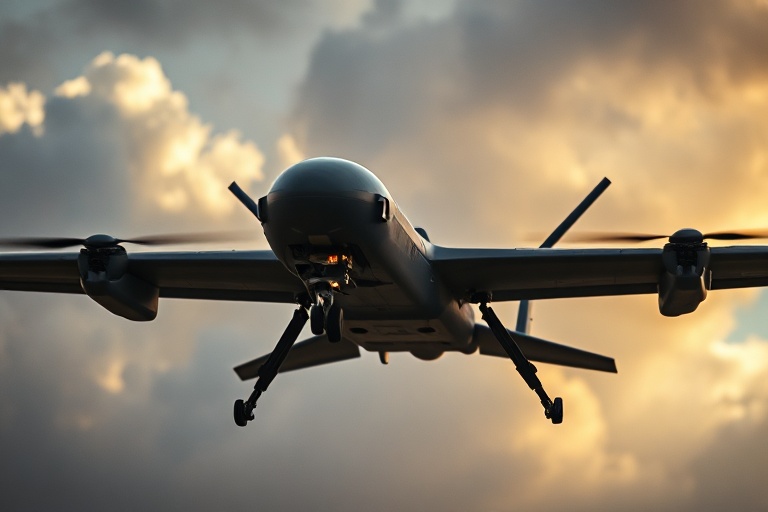
One of Elbit’s most notable contributions is its work in unmanned systems. The company’s Hermes drones, for example, are deployed by militaries across Europe, Asia, and the Middle East. These UAVs are not just surveillance tools; they are part of a broader ecosystem that includes ground control stations and AI-driven analytics. This end-to-end solution reduces reliance on third-party contractors, giving governments greater control over their operations.
Core Areas of Innovation
- Unmanned Systems: Hermes family of UAVs, Seagull unmanned surface vessels, and robotic ground systems for demining and reconnaissance.
- Electro-Optics: Advanced sensors, thermal imaging, and targeting systems used in fighter jets, tanks, and infantry gear.
- Cybersecurity: Secure communication networks and cyber defense solutions for military and critical infrastructure.
- Command and Control: Digital battlefield management systems that integrate data from multiple sources for real-time decision-making.
The company’s focus on miniaturization and energy efficiency has also set it apart. Its wearable systems, such as the Iron Vision helmet for tank crews, provide augmented reality overlays that enhance situational awareness without adding significant weight. These innovations are particularly valuable in an era where soldiers are often overburdened with gear.
Global Influence and Controversies
Elbit’s technology is ubiquitous in modern warfare. Its drones have been used in conflicts in Ukraine, Nagorno-Karabakh, and Syria, often shaping the trajectory of battles. The company’s Hermes 900, for instance, was credited with providing critical intelligence during Israel’s operations in Gaza. Such deployments have cemented Elbit’s reputation as a go-to supplier for nations seeking a technological edge.
However, Elbit’s global footprint has not come without controversy. Human rights organizations have criticized the company for supplying technology used in occupied territories. A 2021 report by Amnesty International highlighted how Elbit’s surveillance systems allegedly contribute to restrictions on Palestinian movement in the West Bank. The company has denied these claims, asserting that its systems comply with international law and are used strictly for defensive purposes.
The ethical dilemmas extend beyond Israel’s borders. Elbit’s partnerships with authoritarian regimes have drawn scrutiny. For example, its surveillance technology has been linked to crackdowns on dissent in countries like Azerbaijan and Rwanda. These concerns have led to calls for stricter export controls, particularly in the European Union, where some lawmakers advocate for a ban on military sales to nations with poor human rights records.
Controversies and Criticisms
- Human Rights Concerns: Accusations of supplying technology used in occupied territories, leading to restrictions on Palestinian life.
- Export Restrictions: Some EU countries have blocked sales to regimes with questionable human rights records.
- Transparency Issues: Critics argue the company lacks sufficient public disclosure about its end-users and specific applications of its technology.
The Broader Implications for Global Security
Elbit Systems represents a broader shift in the defense industry: the rise of private defense conglomerates that operate with minimal public oversight. Unlike traditional state-run arsenals, companies like Elbit answer to shareholders, not voters. This model prioritizes profitability and innovation but raises questions about accountability. Who ensures these technologies are used ethically? How do we balance national security with human rights?
The company’s success also underscores Israel’s emergence as a global arms exporter. Israel now ranks among the top 10 defense suppliers worldwide, with Elbit at the forefront. This success is driven by Israel’s unique security challenges, which have forced its military to develop niche technologies that other nations actively seek. The country’s defense industry benefits from close collaboration between its military, academia, and private sector—a model that is difficult to replicate.
For the United States, Elbit’s influence is particularly significant. The company has become a key supplier to the U.S. Department of Defense, often through direct contracts or partnerships with American firms. This relationship highlights the growing interdependence between Israeli and U.S. defense industries, particularly as both nations face common threats from China, Russia, and regional conflicts.
Looking ahead, Elbit’s role in emerging technologies like artificial intelligence and quantum computing could further redefine modern warfare. The company has already begun integrating AI into its drones, enabling autonomous target recognition and decision-making. While these advancements promise greater precision and reduced civilian casualties, they also introduce new risks, such as algorithmic bias and loss of human control over lethal systems.
Future Challenges and Opportunities
- Regulatory Hurdles: Increasing scrutiny from governments and NGOs may limit Elbit’s ability to expand into new markets.
- Ethical AI: The integration of AI into military systems will require robust ethical frameworks to prevent misuse.
- Competition: Rivals like Lockheed Martin and BAE Systems are investing heavily in similar technologies, intensifying competition.
- Geopolitical Shifts: Changes in global alliances, such as the warming relations between Israel and Arab states, could open new markets or close old ones.
Conclusion: A Company at the Crossroads
Elbit Systems is more than just a defense contractor; it is a reflection of the modern security landscape. Its technologies are deployed in conflicts worldwide, shaping the outcomes of wars and influencing the balance of power. Yet, with this influence comes responsibility. The company must navigate the ethical minefield of modern warfare, balancing innovation with accountability.
For governments and militaries, Elbit offers a compelling value proposition: cutting-edge technology with a proven track record. For critics, it represents the dangers of unchecked corporate power in the defense sector. As artificial intelligence and other emerging technologies become integral to warfare, Elbit’s role will only grow. The question is whether it can maintain its position as a leader in ethical defense technology—or whether its legacy will be defined by the conflicts in which its systems are used.
One thing is certain: Elbit Systems will continue to shape the future of global security, whether the world is ready for it or not. For those interested in the intersection of technology and warfare, keeping an eye on Elbit is not optional—it’s essential. Explore more about defense technology and its global impact at Dave’s Locker News or dive deeper into military innovations at Dave’s Locker Technology.