San Jose: California’s Tech Hub Beyond Silicon Valley Stereotypes
San Jose, the largest city in Northern California, serves as the beating heart of Silicon Valley. With a population exceeding one million, it blends cutting-edge innovation with rich cultural diversity. The city has transformed from a quiet agricultural hub into a global technology powerhouse while maintaining its unique character.
The Evolution of San Jose: From Orchards to IPOs
In the late 19th century, San Jose was primarily known for its vast fruit orchards and canneries. The transformation began in the 1950s when technology companies like IBM established operations in the area. By the 1970s, the region officially became known as Silicon Valley, with San Jose at its core. Today, the city hosts headquarters for major corporations including Adobe, PayPal, and Cisco, while thousands of startups operate within its boundaries.
The city’s economy thrives on venture capital investment, which totaled $12.4 billion in 2023 alone, according to PitchBook data. This financial ecosystem supports more than 7,500 tech companies employing over 300,000 workers. The median household income sits at $125,000, nearly double the national average, reflecting the prosperity generated by this technological concentration.
Key Industries Driving San Jose’s Economy
- Semiconductors: Companies like Nvidia and Qualcomm maintain significant operations in the city.
- Software Development: Adobe’s headquarters employs over 8,000 people in San Jose.
- Biotechnology: Genentech and other firms contribute to the city’s growing life sciences sector.
- Clean Technology: Tesla’s original manufacturing facility remains an important local employer.
Cultural Mosaic: San Jose’s Diverse Community
San Jose’s population reflects the global nature of its tech workforce. Over 40% of residents were born outside the United States, with large Vietnamese, Mexican, and Indian communities shaping the city’s character. This diversity manifests in the food scene, where authentic international cuisines are as accessible as local favorites.
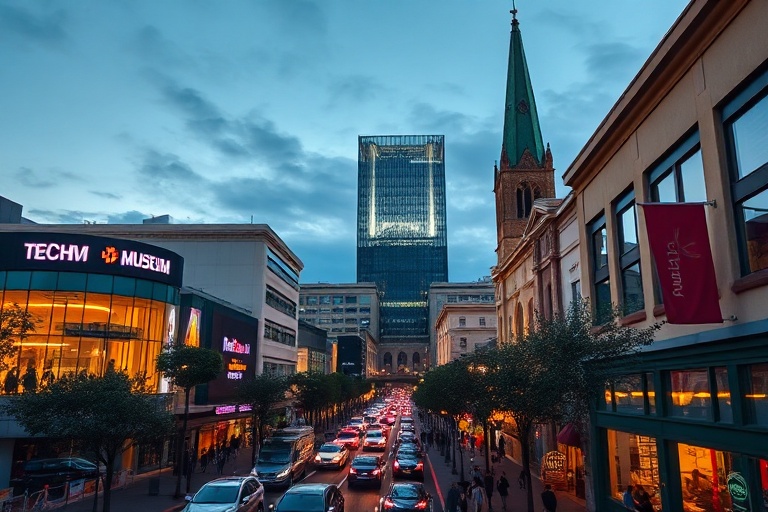
The city hosts numerous cultural festivals throughout the year. The Vietnamese New Year celebration draws tens of thousands to downtown, while the India Community Center’s Diwali festival showcases the city’s South Asian heritage. Museums like the San Jose Museum of Art and the Tech Interactive provide spaces for both local and international creativity.
Neighborhoods That Define San Jose’s Character
Each district offers a distinct flavor of urban life:
- Downtown: The urban core featuring high-rise offices, luxury condominiums, and the SAP Center arena.
- Willow Glen: A charming neighborhood with historic Craftsman homes and local boutiques.
- North San Jose: The epicenter of tech campuses including Cisco’s headquarters.
- Japantown: One of only three remaining Japantowns in the U.S., preserving cultural heritage.
Urban Challenges and Opportunities
San Jose faces significant housing pressures as tech salaries drive up real estate prices. The median home price reached $1.4 million in 2024, pushing many long-term residents to neighboring cities. The city has responded with initiatives like the “Housing Action Plan,” aiming to create 10,000 new housing units by 2025, with 4,000 designated as affordable.
Traffic congestion remains another pressing issue. Despite extensive public transit options including light rail and buses, the average commuter spends 32 minutes traveling to work. The city is investing $6.7 billion in transit improvements, including the BART extension to downtown San Jose, scheduled for completion in 2030.
Environmental Initiatives Taking Root
San Jose has positioned itself as a leader in sustainability efforts. The city’s Green Vision initiative aims to create 25,000 clean tech jobs while reducing greenhouse gas emissions by 30% by 2020. Notable achievements include:
- 90% of municipal electricity comes from renewable sources.
- Over 4,000 electric vehicle charging stations installed across the city.
- 100% of wastewater is recycled through the Silicon Valley Advanced Water Purification Center.
Education and Innovation Ecosystem
San Jose State University serves as the city’s educational anchor, enrolling nearly 36,000 students annually. The university’s proximity to tech companies facilitates partnerships in research and development. Stanford University and the University of California, Berkeley maintain strong connections to the city through research collaborations and talent pipelines.
The city’s innovation culture extends beyond traditional tech. The Tech Interactive museum engages students with hands-on exhibits about emerging technologies. Meanwhile, organizations like The Tech Interactive provide coding bootcamps and STEM education to underserved communities.
Notable Educational Institutions
- San Jose State University: Founded in 1857, offers over 145 degree programs.
- West Valley College: Community college known for strong computer science and nursing programs.
- The Harker School: Top-ranked private school with a strong focus on STEM education.
Recreation and Quality of Life
Despite its urban density, San Jose offers abundant green spaces. Alum Rock Park, the city’s oldest park, provides hiking trails and picnic areas along the Guadalupe River. The 52-mile Guadalupe River Trail connects multiple neighborhoods, offering residents car-free transportation options.
Professional sports teams provide entertainment options for residents. The San Jose Sharks of the NHL play at the SAP Center, while the San Jose Earthquakes represent Major League Soccer. The city’s minor league baseball team, the San Jose Giants, serves as a development affiliate for the San Francisco Giants.
The nearby Santa Cruz Mountains offer quick access to hiking, wine tasting, and coastal retreats. Within 30 minutes, residents can transition from urban life to redwood forests or Pacific Ocean beaches, creating a unique geographic advantage.
Parks and Outdoor Spaces
- Rancho San Antonio Open Space Preserve: 4,200 acres of hiking and mountain biking trails.
- Kelley Park: Features Japanese Friendship Garden and Happy Hollow Park & Zoo.
- Vasona Park: Home to the Billy Jones Wildcat Railroad and scenic lake.
Conclusion: A City of Contrasts and Possibilities
San Jose embodies the complex realities of a 21st-century technology hub. The city’s prosperity coexists with challenges around housing affordability and traffic congestion. Yet its cultural diversity, educational opportunities, and commitment to sustainability position it as a model for other innovation centers worldwide.
The city’s ability to continuously reinvent itself while preserving its unique character demonstrates the resilience of urban communities. As technology continues to evolve, San Jose remains at the forefront, shaping not just the future of Silicon Valley, but the very nature of work and community in the digital age.
For those considering relocation or investment, San Jose offers unparalleled opportunities alongside significant challenges. The city’s trajectory suggests that its role as a global technology leader will only strengthen in the coming decades, making it a fascinating case study in urban transformation.