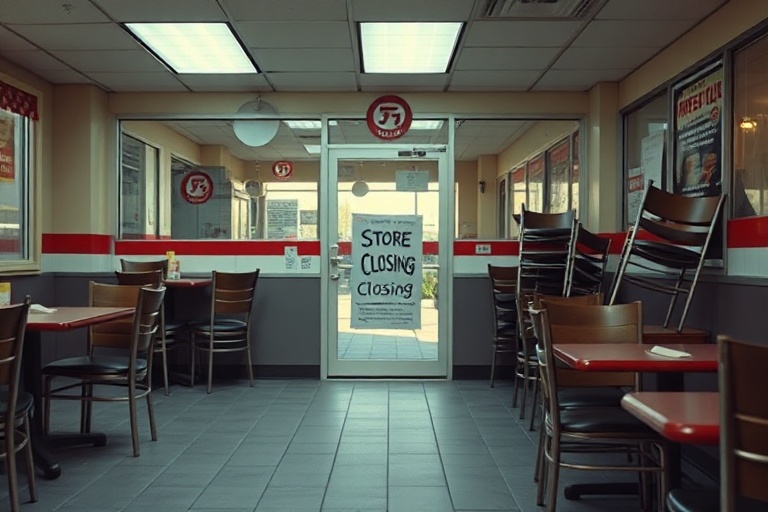
Five Guys 2026 Store Closures: Why the Iconic Burger Chain is Shutting Locations
Five Guys Store Closures in 2026: What Led to the Shutdowns
The fast-casual burger chain Five Guys has long been synonymous with fresh, customizable burgers and fries. However, 2026 has marked a turning point for the brand. A wave of store closures across the United States and internationally has left many wondering what went wrong. This isn’t just a story about a single company stumbling—it reflects broader shifts in consumer behavior, economic pressures, and the challenges of maintaining a global brand in an increasingly competitive market.
Five Guys, which prides itself on never freezing its beef and offering toppings like grilled mushrooms and extra bacon, has faced mounting obstacles. Rising operational costs, changing dining preferences, and the lingering effects of the pandemic have all played a role in reshaping the fast-food landscape. While the company has expanded aggressively over the past decade, not all markets have delivered the expected returns. The closures in 2026 signal a period of recalibration for the brand.
The Economic Pressures Behind the Closures
One of the most immediate drivers of Five Guys’ store closures is the rising cost of doing business. Inflation has driven up expenses for ingredients, labor, and real estate, squeezing profit margins. In early 2026, Five Guys announced that it would shut down 12 locations across the U.S., including stores in high-rent urban areas like New York and San Francisco. These closures were framed as part of a strategic shift to focus on more profitable markets.
Internationally, the story is similar. Five Guys has struggled to replicate its success in markets like China and the UK, where consumer tastes and competitive landscapes differ significantly from the U.S. In China, for example, local burger chains and quick-service restaurants have gained ground by offering more affordable options and catering to regional preferences. Five Guys’ premium pricing model hasn’t resonated as strongly, and the brand has faced difficulties in finding reliable franchise partners.
The company’s reliance on a franchise model has also contributed to its challenges. While franchising allows for rapid expansion, it can lead to inconsistencies in quality and customer experience. Some franchisees have struggled to adapt to local market conditions, resulting in underperforming locations that Five Guys ultimately decided to close.
Changing Consumer Habits and Market Competition
The fast-casual dining sector is evolving, and Five Guys is facing stiff competition from newer, more agile brands. Chains like Shake Shack, Smashburger, and regional players have capitalized on the demand for high-quality, fast-casual meals at slightly lower price points. Additionally, consumers are increasingly turning to delivery apps and ghost kitchens, which offer convenience without the overhead of a traditional restaurant.
Health-conscious trends have also played a role. While Five Guys has added lighter menu options like salads and turkey burgers, its core offerings remain indulgent—think double cheeseburgers with bacon and extra-thick fries. This focus on hearty, calorie-rich meals may not align with the growing demand for healthier dining choices, particularly among younger consumers.
A Global Perspective: Where Five Guys Struggled
Five Guys’ international expansion has been uneven, with some markets embracing the brand while others rejected it. In Europe, for instance, Five Guys has found success in cities like London and Paris, where American-style burgers are popular. However, in markets like Germany and Japan, the brand has faced cultural barriers and stiff competition from local burger chains that offer more familiar flavors.
The closures in 2026 highlight the challenges of global expansion. Five Guys’ strategy of replicating its U.S. model overseas hasn’t always translated well. In some cases, local tastes and preferences have clashed with the brand’s offerings. For example, in India, where vegetarianism is widespread, Five Guys’ meat-centric menu struggled to gain traction despite efforts to introduce plant-based options.
Here’s a breakdown of Five Guys’ most significant closures in 2026:
- United States: 12 locations, including stores in New York, San Francisco, and Chicago. These closures were part of a broader effort to streamline operations and focus on high-traffic urban and suburban areas.
- United Kingdom: 3 locations, primarily in less urban areas where foot traffic was lower than expected.
- China: 5 locations, including flagship stores in Beijing and Shanghai. The brand struggled to compete with local players offering more affordable options.
- Canada: 2 locations, both in smaller cities where operational costs outweighed profits.
The Road Ahead for Five Guys
Despite the closures, Five Guys remains a major player in the fast-casual dining space. The company has emphasized that these closures are part of a long-term strategy to strengthen its core markets and improve profitability. Five Guys has also indicated plans to invest in technology, including digital ordering and delivery partnerships, to better compete in an increasingly digital marketplace.
For franchisees and employees, the closures have been a source of uncertainty. Some have criticized Five Guys for not providing enough support during the transition, while others acknowledge the challenges of operating in a tough economic climate. The brand’s future will depend on its ability to adapt to changing consumer preferences and economic conditions.
As the fast-casual dining industry continues to evolve, Five Guys’ story serves as a case study in the challenges of global expansion and the importance of staying attuned to local market dynamics. Whether the brand can regain its footing remains to be seen, but one thing is clear: the days of unchecked growth are over.
For those interested in the broader trends shaping the fast-food industry, check out our Food section for more insights.
Conclusion: Lessons from Five Guys’ Closures
The 2026 closures at Five Guys underscore the volatility of the fast-casual dining sector. Rising costs, shifting consumer habits, and the difficulties of global expansion have all contributed to the brand’s struggles. While Five Guys remains a beloved name in the burger industry, its recent struggles highlight the need for adaptability in an ever-changing market.
For consumers, the closures serve as a reminder of the fragility of even the most established brands. For investors and franchisees, they underscore the importance of due diligence and market research. And for the industry as a whole, Five Guys’ story is a cautionary tale about the challenges of balancing growth with sustainability.
As the brand charts its course for the future, one thing is certain: the fast-casual dining landscape will continue to evolve, and only those who can adapt will thrive.