UK Reinforces Strait of Hormuz Presence Amid Global Tensions
UK Deploys Naval Assets to the Strait of Hormuz Amid Rising Tensions
The United Kingdom has recently reinforced its military presence in the Strait of Hormuz, a critical maritime chokepoint where nearly a third of the world’s seaborne oil passes through each day. This deployment follows a series of escalations in the region, including attacks on commercial shipping and heightened geopolitical rhetoric. The move underscores the UK’s commitment to safeguarding international trade routes while navigating the complexities of regional alliances and adversarial relationships.
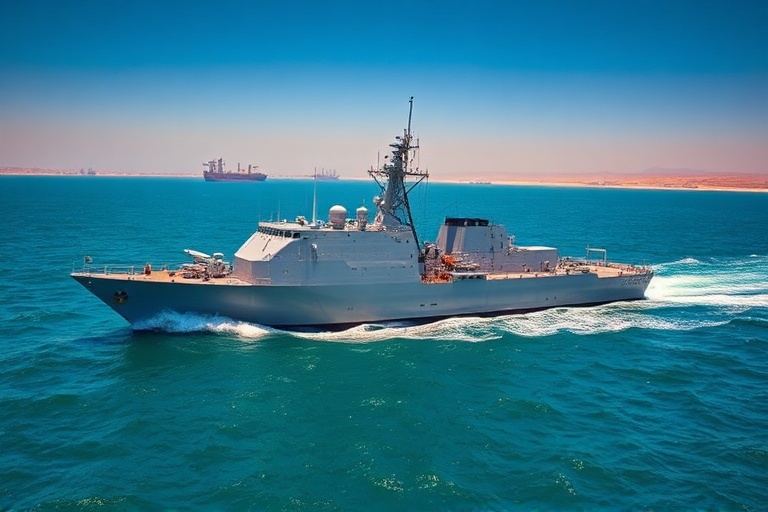
Historically, the Strait of Hormuz has been a flashpoint for conflict due to its strategic importance. The UK’s decision to increase naval patrols here reflects broader concerns about maritime security, particularly as tensions between Iran and Western nations remain strained. The deployment includes Royal Navy vessels equipped with advanced surveillance and deterrent capabilities, signaling a proactive stance in maintaining stability.
The Strategic Importance of the Strait of Hormuz
The Strait of Hormuz is more than just a narrow waterway—it is the linchpin of global energy supply chains. Approximately 21 million barrels of oil transit through these waters daily, making disruptions potentially catastrophic for economies worldwide. The region’s volatility stems from decades of political and sectarian conflict, with Iran frequently threatening to close the strait in response to sanctions or perceived provocations.
For the UK, the deployment serves dual purposes: protecting British-flagged vessels and reinforcing its role as a guarantor of maritime security. The Royal Navy’s presence here is not unprecedented; British forces have operated in the Gulf for decades, often as part of multi-national coalitions. However, the current deployment arrives at a time when diplomatic channels appear increasingly fragile.
Geopolitical Context and Recent Incidents
The latest tensions in the Strait of Hormuz can be traced to a series of high-profile incidents over the past year. In 2023, multiple commercial ships were targeted in suspected drone and missile strikes, some of which were linked to Iranian-backed groups. The UK, alongside allies like the United States and France, has attributed these attacks to Iran’s Islamic Revolutionary Guard Corps (IRGC), though Tehran denies direct involvement.
These incidents have prompted a reevaluation of naval strategies in the region. The UK’s deployment includes HMS Dorsetshire, a Type 23 frigate, and support vessels, all of which are tasked with monitoring and intercepting suspicious activity. This follows a pattern of increased military posturing by Western nations, including joint naval exercises with regional partners like Saudi Arabia and the UAE.
Analysts suggest that the UK’s actions are also a response to the shifting dynamics of global power. With China and Russia expanding their influence in the Middle East, Western nations are keen to assert their presence and protect their economic interests. The Strait of Hormuz, therefore, becomes a battleground not just for military dominance but for ideological and economic influence.
The Role of Alliances and Multinational Efforts
International cooperation remains a cornerstone of efforts to stabilize the Strait of Hormuz. The UK’s deployment aligns with broader initiatives, such as the US-led International Maritime Security Construct (IMSC), which aims to deter threats to commercial shipping. However, the effectiveness of such coalitions is often constrained by differing national priorities and the reluctance of some stakeholders to engage in direct confrontation.
For instance, while the UK and the US have taken a firm stance against Iranian aggression, European nations like France and Germany have pursued diplomatic solutions, advocating for renewed negotiations on the Iran nuclear deal. This divergence highlights the challenges of maintaining a unified front in the face of regional instability.
Moreover, the UK’s deployment is not without risks. Iran has previously seized British-flagged vessels in retaliation for perceived slights, most notably in 2019 when the tanker Stena Impero was detained for over two months. Such actions underscore the delicate balance between deterrence and provocation in this volatile theater.
Cultural and Economic Implications
The economic repercussions of instability in the Strait of Hormuz extend far beyond the immediate region. Oil price spikes triggered by supply disruptions can ripple through global markets, affecting everything from gasoline prices in Europe to manufacturing costs in Asia. For the UK, which imports a significant portion of its energy, these risks are particularly acute.
Culturally, the Strait of Hormuz holds symbolic weight as a crossroads of civilizations. The region has been a melting pot of Arab, Persian, and South Asian influences for centuries, shaping its cuisine, architecture, and traditions. However, the modern narrative of the strait is dominated by its geopolitical significance, often overshadowing its rich cultural heritage.
For the UK, engaging with the region on a cultural level could provide an avenue for soft power diplomacy. Initiatives like educational exchanges, cultural festivals, and economic partnerships could complement military deployments, fostering long-term stability and mutual understanding.
Looking Ahead: Challenges and Opportunities
The road ahead for the UK in the Strait of Hormuz is fraught with challenges. Diplomatic efforts to de-escalate tensions remain fragile, and the risk of miscalculation or accidental confrontation looms large. Meanwhile, the global energy transition could reduce the strait’s importance over time, but for now, it remains indispensable.
For the Royal Navy, the deployment presents an opportunity to demonstrate operational readiness and technological prowess. Advanced systems like the Type 23 frigate’s Sea Ceptor missile defense and electronic warfare suites will be tested in real-world conditions, providing valuable data for future naval strategies.
Yet, the ultimate measure of success may lie not in military posturing but in the ability to foster dialogue and reduce tensions. The UK’s role in the region could evolve from a security provider to a mediator, leveraging its historical ties and diplomatic networks to bridge divides.
As the situation develops, the world will be watching closely. The Strait of Hormuz is more than a strategic asset—it is a symbol of the delicate balance between power, economics, and diplomacy. The UK’s latest deployment is a reminder that in such high-stakes environments, every action carries weight.
Conclusion
The UK’s decision to bolster its presence in the Strait of Hormuz reflects the enduring importance of this maritime chokepoint in an era of shifting global dynamics. While military deployments provide immediate security, the long-term solution lies in diplomacy, cooperation, and a shared commitment to stability. As tensions persist, the international community must navigate this delicate balance with caution and foresight.
For now, the Royal Navy’s ships patrol the waters, a silent but potent reminder of the stakes involved. Their mission is clear: protect trade, deter aggression, and uphold the rules-based international order. Whether this deployment will serve as a deterrent or a catalyst for further conflict remains to be seen—but one thing is certain: the Strait of Hormuz will continue to shape the geopolitical landscape for years to come.