DC Comics: The Birth of Superhero Storytelling
In the spring of 1934, comic books as we know them did not exist. Newspaper comic strips dominated the medium, but a group of entrepreneurs saw potential in a new format—cheap, colorful pamphlets sold for a dime. Among them was Major Malcolm Wheeler-Nicholson, who launched New Fun: The Big Comic Magazine, the first all-original comic book. This modest beginning would soon give rise to one of the most influential publishers in entertainment history: DC Comics.
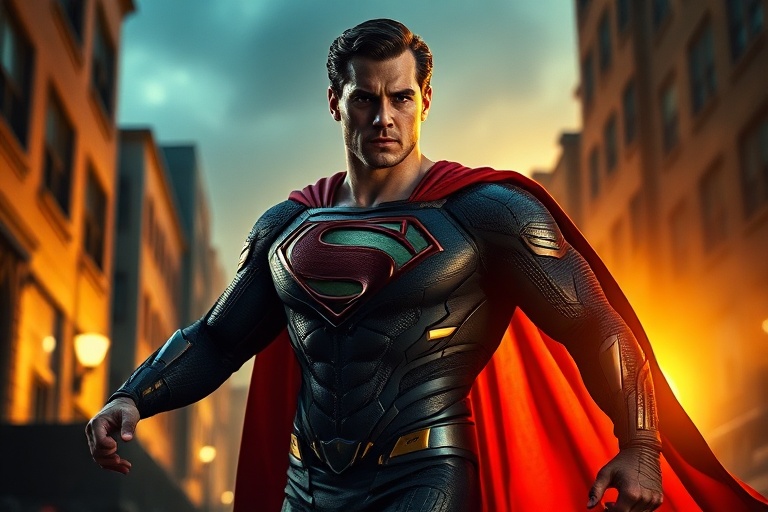
By 1938, Wheeler-Nicholson’s company had merged with Detective Comics, Inc., forming the foundation of what would become DC. The following year, in June 1939, Action Comics #1 debuted. Within its pages was a character who would redefine heroism: Superman. Created by writer Jerry Siegel and artist Joe Shuster, the Man of Steel wasn’t just a hero—he was a cultural reset. His debut marked the birth of the superhero genre and set DC on a trajectory that would shape global pop culture for generations.
Superman’s success led to the expansion of the DC Universe. In 1940, Batman premiered in Detective Comics #27, created by Bob Kane and Bill Finger. Unlike Superman’s godlike powers, Batman’s grounded detective skills and tragic backstory offered a different kind of heroism. These characters didn’t just entertain—they created a blueprint for storytelling that balanced myth and relatability.
The Golden, Silver, and Beyond: Evolution of a Universe
The 1940s became known as the Golden Age of comics, when DC dominated newsstands with characters like Wonder Woman, Green Lantern, and the Flash. These heroes weren’t just escapist fantasies—they reflected the values and anxieties of their time, from wartime patriotism to post-war idealism. Wonder Woman, created by William Moulton Marston, introduced feminist themes into mainstream superhero comics, a rarity in the era.
The 1950s and 60s brought the Silver Age, a period of reinvention. Fearful of the anti-comic sentiment fueled by Dr. Fredric Wertham’s 1954 book Seduction of the Innocent, DC introduced more science-based origins. The Flash was reborn with a new backstory involving a cosmic accident. This era also saw the formation of the Justice League of America in 1960, a team of DC’s top heroes that became a cornerstone of the shared universe concept. The Silver Age didn’t just revive superheroes—it reimagined them for a new generation.
As decades passed, DC evolved with the times. The 1970s and 80s brought darker, more complex narratives. Denny O’Neil and Neal Adams’ Green Lantern/Green Arrow series tackled social issues like racism and drug abuse. This was a far cry from the campy, colorful world of the 1960s Batman TV show. By the late 1980s, DC was embracing mature themes, culminating in Frank Miller’s The Dark Knight Returns and Alan Moore’s Watchmen—two graphic novels that redefined what superhero stories could achieve.
Key Milestones in DC’s History
- 1938: Detective Comics, Inc. is formed, leading to the creation of Superman in Action Comics #1.
- 1940: Batman debuts in Detective Comics #27, introducing a darker, more human hero.
- 1960: The Justice League of America is launched, solidifying DC’s shared universe model.
- 1986: Watchmen and The Dark Knight Returns redefine superhero storytelling with mature, psychological depth.
- 2011: The New 52 reboot modernizes DC’s continuity, streamlining decades of lore for new readers.
DC’s Cultural Impact: More Than Just Comics
DC Comics’ influence extends far beyond the four-color page. The company’s characters have become global icons, transcending their origins to shape film, television, fashion, and even language. Superman’s “truth, justice, and the American way” slogan has been quoted, parodied, and reimagined across cultures. Batman’s Gotham City is as recognizable as New York or London in urban fiction. Wonder Woman’s tiara and lasso have become symbols of female empowerment, worn by activists and celebrities alike.
The impact of DC’s storytelling can be seen in the rise of the superhero film genre. Christopher Nolan’s The Dark Knight trilogy (2005–2012) proved that comic book movies could achieve critical acclaim and box office dominance. Zack Snyder’s 2013 film Man of Steel launched the DC Extended Universe (DCEU), a shared cinematic world that parallels Marvel’s MCU. Though the DCEU has faced challenges—including franchise fatigue and creative shifts—its ambition reflects DC’s willingness to take risks in adapting its stories for new audiences.
Television has also been a key battleground for DC’s legacy. From the campy 1960s Batman series starring Adam West to the gritty Gotham (2014–2019) and the critically acclaimed The Flash (2014–present), DC’s characters have thrived across genres. The Arrowverse, a connected TV universe that launched with Arrow in 2012, demonstrated how serialized storytelling could engage viewers for nearly a decade. These adaptations haven’t just entertained—they’ve expanded the emotional and thematic range of superhero narratives.
The Future of DC: Challenges and Opportunities
As DC approaches its 90th anniversary, it faces a rapidly changing entertainment landscape. The rise of streaming platforms has disrupted traditional comic book sales, forcing DC to rethink how it engages with fans. Digital-first initiatives, like the DC Universe Infinite subscription service, offer new ways to access content. Meanwhile, graphic novels and limited series are gaining prestige, with works like Mister Miracle by Tom King and Mitch Gerads proving that DC’s storytelling can still innovate.
Yet challenges remain. The DCEU has struggled to find consistent direction, with shifting leadership and creative visions causing fragmentation. Fans often debate whether DC’s films should emulate Marvel’s formula or forge their own path. On the comic side, DC’s frequent continuity reboots—most recently the 2023 “Fresh Start” initiative—can alienate long-time readers while trying to attract newcomers.
Despite these hurdles, DC’s core strength remains its characters. Unlike many franchises that rely on nostalgia or gimmicks, DC’s heroes endure because they represent universal ideas: hope, justice, perseverance. Batman’s journey from orphan to guardian resonates because loss and resilience are human experiences. Wonder Woman’s origin as a warrior for justice speaks to ongoing struggles for equality. These themes ensure that DC’s stories remain relevant, even as the medium evolves.
Looking ahead, DC has an opportunity to leverage its deep roster of characters in unexpected ways. The success of Joker (2019), a standalone film exploring the origins of Batman’s iconic villain, showed that DC can thrive outside the constraints of superhero conventions. Projects like Harley Quinn (2019–present), an adult animated series, demonstrate how DC can appeal to niche audiences without losing its core identity.
The Role of DC in Modern Pop Culture
DC’s influence can be seen in unexpected places:
- Fashion: Brands like Gucci and Balenciaga have incorporated DC’s iconic logos and symbols into high-end collections, blending streetwear with superhero aesthetics.
- Music: Artists such as Beyoncé and Kid Cudi have referenced DC characters in lyrics and visuals, using their symbolism to explore themes of identity and power.
- Gaming: Video games like Batman: Arkham series and Injustice fighting games have brought DC’s characters to interactive storytelling, reaching audiences beyond traditional comic readers.
- Social Movements: Wonder Woman has become a symbol of feminist resistance, with her image used in protests and campaigns advocating for gender equality.
A Legacy That Continues to Inspire
DC Comics is more than a publisher—it’s a cultural institution. For nearly a century, it has shaped how we tell stories about heroism, morality, and human nature. Its characters have become modern myths, their struggles and triumphs echoing in the world around us. From the Golden Age to the digital age, DC has continually reinvented itself, proving that its stories are timeless.
As entertainment continues to fragment and evolve, DC’s challenge—and opportunity—lies in balancing tradition with innovation. The company must honor its rich history while embracing new formats, voices, and platforms. Whether through comics, films, TV, or emerging technologies like virtual reality, DC’s future depends on its ability to remain a beacon of creativity and imagination.
For fans old and new, DC offers something profound: the promise that no matter how dark the world becomes, there will always be heroes who stand against injustice. That promise is what has kept DC alive for generations—and what will ensure its stories continue to captivate audiences for generations to come.
For more on how DC’s characters have influenced modern storytelling, explore Entertainment and Gaming sections on Dave’s Locker.