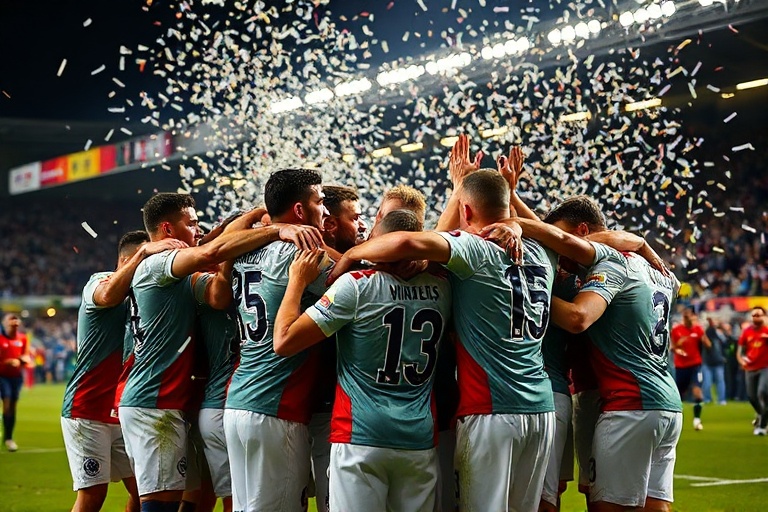
football club
Football clubs have grown from humble neighborhood teams to multi-billion-dollar enterprises with fanbases spanning continents. What began as recreational activities for local communities has transformed into a global spectacle, blending sports, entertainment, and business. The journey of football clubs reflects broader societal changes, economic shifts, and technological advancements that have redefined how fans engage with the sport.
Today, clubs are more than just athletic organizations; they are brands with identities, histories, and legacies that resonate far beyond the pitch. The evolution of football clubs offers a fascinating case study in how sports organizations adapt to meet the demands of modern fandom while preserving the traditions that define their essence.
The Historical Roots of Football Clubs
The origins of football clubs trace back to 19th-century England, where the sport was formalized into a structured competition. The Football Association, founded in 1863, paved the way for organized clubs to emerge. Early clubs like Sheffield FC, established in 1857, and later, clubs like Manchester United and Arsenal, began as local teams playing for pride rather than profit.
In the early 20th century, football clubs started to gain commercial traction. The introduction of professional contracts in the 1880s allowed players to earn wages, which attracted larger crowds to matches. The formation of the Football League in 1888 marked a turning point, creating a structured league system that still influences club operations today.
By the mid-20th century, football clubs had become central to community identity. Local fans supported their teams through thick and thin, often passing down allegiances through generations. This era emphasized the emotional connection between clubs and their supporters, a bond that remains vital even as commercial interests have expanded.
Key Milestones in Club Development
- 1857: Sheffield FC, the world’s oldest football club, is founded.
- 1888: The Football League is established, formalizing competitive play.
- 1950s-1960s: Clubs begin to adopt commercial sponsorships, introducing advertising on jerseys.
- 1992: The Premier League is formed, revolutionizing television revenue and global exposure.
- 2000s: Clubs undergo financialization, with private equity and billionaire ownership becoming common.
The Business of Football Clubs
The financial landscape of football clubs has undergone dramatic changes over the past few decades. What was once a grassroots endeavor has become a high-stakes industry, with clubs seeking revenue streams beyond ticket sales and matchday income. Broadcasting rights, sponsorship deals, and commercial partnerships now dominate the financial strategies of elite clubs.
Television broadcasting has been a game-changer. The formation of the Premier League in 1992 introduced a lucrative broadcasting model that prioritized live matches and global distribution. This model has since been replicated in leagues worldwide, with clubs like Real Madrid, Barcelona, and Bayern Munich securing massive broadcasting deals that fund player transfers and infrastructure.
Sponsorships have also evolved into a critical revenue source. Early sponsorships were modest, with local businesses placing ads on jerseys. Today, top clubs ink multi-million-dollar deals with global brands. For example, Manchester United’s partnership with Chevrolet is valued at over $80 million annually, while PSG’s deal with Qatar Airways highlights the geopolitical dimensions of modern football sponsorships.
Financial Strategies of Modern Clubs
- Broadcasting Rights: Clubs negotiate television deals that guarantee substantial annual revenue. The Premier League’s current domestic TV rights deal is worth £5.1 billion over three years.
- Commercial Partnerships: Brands pay premium fees for association with clubs, including jersey sponsorships, stadium naming rights, and digital collaborations.
- Player Transfers: Elite clubs generate income through player sales, with transfer fees reaching hundreds of millions for top talent. Kylian Mbappé’s move to Real Madrid for a reported €180 million in 2024 underscores this trend.
- Merchandising: Clubs monetize fan loyalty through merchandise sales, from jerseys to branded apparel. Liverpool FC, for instance, reported £177 million in merchandise revenue for the 2022-23 season.
Ownership structures have also shifted. While traditional clubs were often fan-owned or locally funded, today’s elite clubs are frequently owned by billionaires, sovereign wealth funds, or multinational corporations. This shift has brought financial muscle but also raised questions about the erosion of traditional club values and fan influence.
The Role of Technology in Modern Football Clubs
Technology has become a cornerstone of modern football clubs, transforming everything from player performance to fan engagement. Clubs now leverage data analytics to scout players, optimize training regimens, and gain competitive advantages. The use of GPS tracking, video analysis, and biometric monitoring has redefined how clubs prepare for matches.
On the pitch, technology has influenced tactical evolution. The introduction of the Video Assistant Referee (VAR) has changed decision-making in games, sparking debates about its impact on the flow of play. Clubs like Manchester City and Liverpool have integrated data-driven approaches to player recruitment, using algorithms to identify undervalued talent and predict performance metrics.
Off the pitch, digital platforms have revolutionized how clubs interact with fans. Social media has become a vital tool for engagement, with clubs like Real Madrid and Barcelona boasting hundreds of millions of followers across platforms. These platforms enable direct communication with fans, personalized content, and global reach, breaking down geographical barriers.
Technological Innovations Shaping Football Clubs
- Data Analytics: Clubs use advanced metrics to evaluate player performance, scout opponents, and optimize tactics. Expected Goals (xG) and player tracking data are now standard tools.
- VAR: The Video Assistant Referee system aims to reduce human error but has also introduced debates about its consistency and impact on the game’s spontaneity.
- Virtual Reality (VR): Some clubs use VR for training simulations, allowing players to practice scenarios without physical strain. Arsenal FC has experimented with VR to enhance tactical understanding.
- Fan Engagement Platforms: Clubs leverage apps and social media to offer exclusive content, merchandise, and interactive experiences. The FC Barcelona app, for example, provides behind-the-scenes access and live updates.
The Future of Football Clubs
The future of football clubs will likely be shaped by sustainability, innovation, and fan-centric models. Climate change concerns are pushing clubs to adopt eco-friendly practices, from sustainable stadiums to carbon-neutral operations. Tottenham Hotspur Stadium, for instance, achieved a BREEAM ‘Excellent’ rating for its environmental design.
Innovation will continue to drive change, particularly in areas like artificial intelligence (AI) and augmented reality (AR). AI-powered tools could soon assist in real-time tactical adjustments during matches, while AR might enhance fan experiences in stadiums through interactive overlays. Clubs are also exploring blockchain technology for ticketing and fan engagement, aiming to reduce fraud and enhance transparency.
Fan ownership and community engagement are also likely to regain prominence. The backlash against excessive commercialization has led to renewed interest in models that prioritize fan influence. Clubs like FC Barcelona, which operates as a socios-based club, demonstrate alternative ownership structures that balance financial viability with democratic governance.
Emerging Trends in Football Club Management
- Sustainability Initiatives: Clubs are investing in renewable energy, waste reduction, and sustainable travel to minimize their environmental footprint. Forest Green Rovers, certified as the world’s first vegan football club, leads in sustainability efforts.
- Fan-Centric Models: Clubs are exploring membership-based models that give fans a greater say in club decisions. Borussia Dortmund’s 50+1 rule, which prevents outside investors from gaining majority control, is a prime example.
- Global Expansion: Clubs are looking beyond domestic markets to grow their fanbases. Pre-season tours to the United States, Asia, and Australia have become common, with clubs like Manchester United and Arsenal leveraging these trips for commercial gain.
- Health and Wellness: Clubs are prioritizing player health through advanced medical technologies and wellness programs. The use of sleep science, nutrition planning, and mental health support is becoming standard in elite football.
As football clubs navigate these changes, their ability to adapt while preserving their core identity will determine their long-term success. The clubs that thrive in the future will be those that balance innovation with tradition, financial pragmatism with fan loyalty, and global ambition with local roots.
Conclusion
The evolution of football clubs is a testament to the sport’s enduring appeal and its capacity to adapt to changing times. From their origins as local teams to their current status as global brands, football clubs have mirrored societal shifts while maintaining their unique cultural significance. The business of football has become increasingly complex, but the emotional connection between clubs and their fans remains as potent as ever.
For clubs to succeed in the future, they must embrace innovation without losing sight of their heritage. Whether through sustainable practices, fan-centric models, or cutting-edge technology, the clubs that strike this balance will continue to captivate audiences worldwide. As the sport grows, so too will the challenges and opportunities for football clubs, ensuring their place in the cultural and economic landscape for generations to come.
For more insights into the business and culture of football, explore our Sports and Analysis sections on Dave’s Locker.