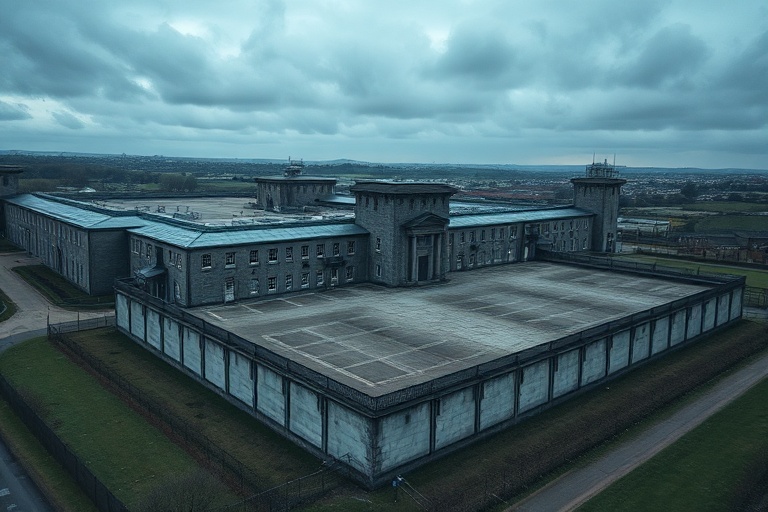
Frankland Prison: A Closer Look at Britain’s High-Security Hub
Frankland Prison, located in County Durham, England, stands as one of the UK’s most secure and closely monitored correctional facilities. Known for housing some of the country’s most dangerous and high-profile inmates, the prison has long been a subject of both scrutiny and fascination. Its reputation is shaped by its strict regime, state-of-the-art security measures, and the complex challenges of managing offenders who pose significant risks to society.
Constructed in the early 1980s, Frankland Prison was designed to address the growing need for high-security incarceration in Britain. Over the decades, it has evolved alongside changes in penal policy, technological advancements, and the shifting nature of crime. Today, the prison remains a critical piece of the UK’s criminal justice system, often serving as a case study in discussions about rehabilitation, deterrence, and the ethical dimensions of punishment.
Security and Operational Structure
Frankland Prison operates under the highest security classification, Category A, reserved for inmates deemed to pose the most serious threat to national security or public safety. The facility’s design reflects this mandate, featuring multiple layers of security, including reinforced perimeters, advanced surveillance systems, and controlled movement protocols for both staff and prisoners.
The prison’s operational structure is built around the principle of containment. Inmates are typically confined to their cells for extended periods, with limited opportunities for social interaction or outdoor activities. This approach is intended to minimize risks of escape, violence, or collusion with external actors. However, it also raises questions about the psychological toll such an environment may have on individuals, even those convicted of the most heinous crimes.
Security personnel at Frankland undergo rigorous training to handle the unique demands of managing high-risk offenders. The prison employs a mix of traditional custodial methods and cutting-edge technology, such as biometric monitoring and AI-driven surveillance, to maintain control. These measures underscore the broader trend in corrections toward integrating digital tools into security frameworks, a shift that has both supporters and critics.
High-Profile Inmates and Public Perception
Frankland Prison has gained notoriety for housing some of Britain’s most infamous criminals. Among its most well-known residents are serial killers, terrorists, and organized crime figures whose crimes have left indelible marks on public consciousness. The presence of such individuals within its walls has fueled debates about the purpose of incarceration—whether it should prioritize punishment, rehabilitation, or societal protection.
Public perception of Frankland is often polarized. On one hand, the prison is seen as a necessary bulwark against some of the most dangerous individuals in the country. On the other, critics argue that the conditions within its walls—particularly the prolonged isolation of inmates—may violate human rights standards. The tension between security and humanity in correctional facilities is a recurring theme in discussions about institutions like Frankland.
The prison’s high-profile inmates also attract media attention, often placing it in the spotlight during trials or when legal appeals are filed. This visibility has led to broader conversations about transparency in the justice system and the role of the media in shaping public attitudes toward crime and punishment.
Broader Implications for the Criminal Justice System
Frankland Prison serves as a microcosm of the challenges facing the UK’s criminal justice system. Its operations reflect the delicate balance between security and rehabilitation, a tension that has intensified in recent years as prison populations grow and budgets tighten. The prison’s experience offers several key lessons for policymakers and corrections professionals:
- Balancing Security and Human Rights: The strict conditions at Frankland highlight the need to reconcile the imperative of public safety with the ethical treatment of prisoners. This balance is particularly fraught in cases involving inmates with mental health issues or those serving life sentences.
- The Role of Technology: Frankland’s adoption of advanced surveillance and monitoring technologies illustrates how digital tools are reshaping corrections. While these innovations can enhance security, they also raise concerns about privacy and the potential for overreach.
- Rehabilitation in High-Security Settings: The prison’s limited rehabilitation programs underscore the difficulties of providing meaningful support to inmates who are isolated from the outside world. This challenge is a critical one, given the high rates of recidivism among certain offender populations.
- Public Trust and Transparency: The media’s focus on Frankland’s inmates and operations underscores the importance of transparency in maintaining public trust. However, it also raises questions about how much information should be disclosed about high-security facilities.
Looking Ahead: The Future of High-Security Prisons
As Britain grapples with evolving threats—from cybercrime to international terrorism—the role of institutions like Frankland Prison is likely to grow in importance. The prison’s future will be shaped by several factors, including technological advancements, shifts in penal philosophy, and the broader political landscape.
One potential direction is the increased use of data analytics to predict and prevent security breaches. AI-driven tools could help corrections officials identify patterns of behavior among inmates or staff, enabling more proactive interventions. However, such innovations must be implemented with careful consideration of ethical implications and the risk of unintended consequences.
Another critical factor is the ongoing debate about the purpose of incarceration. Some advocates argue for a greater emphasis on rehabilitation, even in high-security settings, while others maintain that punishment and deterrence should remain the primary goals. The resolution of this debate will have far-reaching implications for institutions like Frankland.
Ultimately, Frankland Prison is more than just a facility for housing dangerous criminals. It is a reflection of the values, priorities, and contradictions inherent in the criminal justice system. By examining its operations, challenges, and broader impact, we gain valuable insights into how society chooses to confront crime and what it owes to both victims and offenders.
For those interested in exploring similar topics, Dave’s Locker Trending and Dave’s Locker News sections offer additional insights into the evolving landscape of criminal justice and corrections.
Conclusion
Frankland Prison remains a pivotal institution in Britain’s approach to high-security incarceration. Its history, operations, and challenges provide a lens through which to examine the broader dynamics of crime, punishment, and rehabilitation. As the criminal justice system continues to evolve, the lessons learned from Frankland will be invaluable in shaping policies that balance security with humanity, deterrence with rehabilitation, and transparency with discretion.