Giro d’Italia: A Deep Look at Cycling’s Most Passionate Race
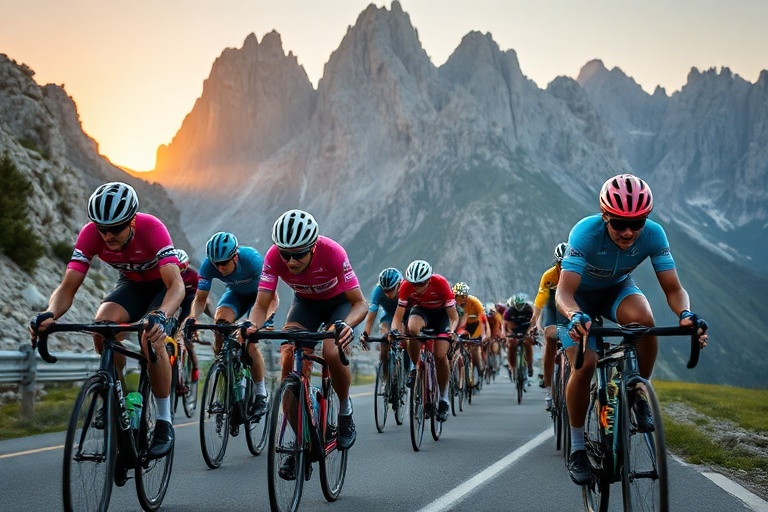
The Giro d’Italia stands as one of cycling’s most storied and emotionally charged Grand Tours, a three-week race that winds through the rugged peaks of the Dolomites, the sun-drenched vineyards of Piedmont, and the chaotic energy of Milan’s streets. Since its inception in 1909, the race has grown from a nationalist response to the dominance of the Tour de France into a global sporting spectacle that blends athletic brilliance with Italian culture, history, and sheer drama.
Unlike its French counterpart, the Giro is deeply embedded in the Italian psyche. It reflects the country’s regional diversity, economic disparities, and unshakable passion for cycling. From Fausto Coppi’s dominance in the 1950s to modern champions like Vincenzo Nibali and Tadej Pogačar, the Giro has been a stage for both triumph and tragedy, innovation and controversy.
A Race Born from National Pride
The Giro d’Italia was conceived in 1908 as a strategic move by the Gazzetta dello Sport, a Milan-based sports newspaper competing with the more established French newspaper L’Auto, which organized the Tour de France. Italy, eager to assert its sporting prowess, needed a race of its own. The first edition in 1909 covered 2,448 kilometers across eight stages, culminating in a final sprint down Milan’s Via Roma. The winner, Luigi Ganna, pocketed 5,325 lire—a substantial sum at the time—and etched his name into cycling lore.
In its early years, the Giro was a grueling test of endurance and survival. Riders faced unpaved roads, mechanical failures, and even sabotage. The 1914 edition saw riders traverse the Stelvio Pass, now a legendary climb, for the first time. This spirit of adversity became a hallmark of the race. Riders like Ottavio Bottecchia and Alfredo Binda emerged as early heroes, their performances cementing the Giro’s reputation as a crucible for champions.
World War I halted the race, but it resumed in 1919 with renewed vigor. The 1920s and 1930s introduced the pink jersey, or maglia rosa, which has since become the most coveted symbol in Italian cycling. Named after the pink paper of Gazzetta dello Sport, the jersey identifies the race leader and adds a layer of visual drama to the competition.
The Golden Era: Coppi, Bartali, and the Rivalry That Defined a Nation
No discussion of the Giro is complete without mentioning Fausto Coppi and Gino Bartali. Their rivalry transcended sport, embodying the post-war tensions between tradition and modernity, north and south, secularism and Catholicism. Coppi, the elegant and innovative “Campionissimo,” represented progress. Bartali, the pious and stubborn Tuscan, embodied tradition. Their battles on the Stelvio, the Gavia, and the Mortirolo became the stuff of legend.
Their most famous encounter came during the 1949 Giro. Coppi attacked on the Col d’Izoard, dropping Bartali and riding solo into the Alps. Though he lost time later, Coppi’s audacity redefined what was possible in Grand Tour racing. That same year, he also won the Tour de France, becoming the first rider to complete the double. His dominance and charisma elevated the Giro to a new cultural status, turning cyclists into national icons.
Bartali, meanwhile, became a symbol of resilience. During World War II, he secretly transported identity documents to save Jews from persecution, earning him the title “Righteous Among the Nations.” His wartime heroism only deepened the public’s affection for him, making the Coppi-Bartali rivalry one of sport’s most poignant narratives.
Key Moments in the Coppi-Bartali Era
- 1940: Coppi wins his first Giro at age 20, becoming the youngest champion in history.
- 1946: Bartali returns from war to win the Giro, signaling Italy’s recovery.
- 1949: Coppi’s solo attack on the Col d’Izoard cements his legend.
- 1950: Bartali wins his second Giro, defeating Coppi in a dramatic finale.
The Modern Giro: Innovation, Intrigue, and Global Expansion
Since the 1990s, the Giro has evolved into a global event, attracting top riders from across Europe, Africa, and beyond. Marco Pantani’s electrifying climb up the Colle delle Finestre in 1998 remains one of the most iconic moments in modern cycling. Pantani, with his bandana and shaved legs, became a symbol of raw emotion and rebellion, his tragic later life only deepening his myth.
The race has also embraced change. In 2012, Ryder Hesjedal became the first non-European to win the Giro, proving the race’s growing international appeal. The introduction of summit finishes and more technical stages has increased spectacle, while the inclusion of stages in San Marino, Slovenia, and even Israel in 2018 expanded the Giro’s global footprint.
Yet the Giro remains rooted in Italy’s soul. The tifosi—fans who line the roads with homemade signs, tricolore flags, and emotional outbursts—create an atmosphere unlike any other. The final stage into Milan is a cacophony of horns, chants, and champagne, as the winner raises their arms in front of the Duomo, surrounded by a sea of pink.
The Giro’s Cultural and Economic Impact
The Giro is more than a race; it’s a cultural institution. It boosts local economies, especially in rural and mountainous regions that benefit from tourism and media exposure. Towns like Aprica, with its steep climbs, and Sestriere, a winter sports hub, owe much of their fame to the Giro. The race also serves as a platform for social causes. In 2021, the Giro partnered with UNICEF to promote children’s rights, highlighting cycling’s power to drive positive change.
Television coverage has expanded the Giro’s reach. Networks like RAI in Italy and Eurosport internationally beam the race into millions of homes, while streaming services offer real-time access to fans worldwide. Social media has amplified the drama, with riders’ Instagram stories and team updates creating a 24/7 narrative around the race.
The Giro also reflects broader trends in cycling. Doping scandals, such as the 2001 disqualification of Gilberto Simoni for elevated testosterone levels, have forced the sport to confront its demons. Meanwhile, technological advancements—from aerodynamic frames to power meters—have transformed training and racing, pushing riders to new limits.
What Makes the Giro Unique?
The Giro is distinguished by several key elements:
- Geographic Diversity: The race traverses the Alps, Apennines, and Adriatic coast, offering a microcosm of Italy’s varied landscapes.
- Cultural Rituals: From the madonnina blessing of the peloton to the arrivo celebrations in town squares, the Giro is steeped in tradition.
- Unpredictability: Unlike the Tour de France, where a few teams often dominate, the Giro frequently throws up surprises, with underdogs and late attacks deciding the race.
- Passion Over Perfection: The tifosi’s emotional investment often outweighs tactical precision, creating moments of pure theater.
For cycling purists, the Giro offers the purest test of a rider’s ability. The cumulative fatigue, the relentless climbs, and the pressure of wearing the maglia rosa for even a single day make it a crucible of human endurance.
Looking Ahead: The Future of the Giro
The Giro d’Italia continues to evolve. With sustainability at the forefront, organizers are reducing waste and promoting eco-friendly initiatives. The race is also embracing digital innovation, using data analytics to enhance fan engagement and race strategy.
As the peloton prepares for the 2025 edition, the focus will be on young talents like Juan Ayuso and Cian Uijtdebroeks, who could write the next chapter in the Giro’s storied history. Yet no matter how much the race changes, its essence remains the same: a celebration of human endeavor, Italian passion, and the relentless pursuit of glory.
For those who experience it—whether as a rider, spectator, or viewer—the Giro d’Italia is not just a race. It’s an emotion, a memory, and a testament to the power of sport.
To explore more about cycling’s greatest races and their cultural impact, visit our Sports category. For deeper analysis on endurance sports and their psychological demands, check out our Analysis section.