kuwait
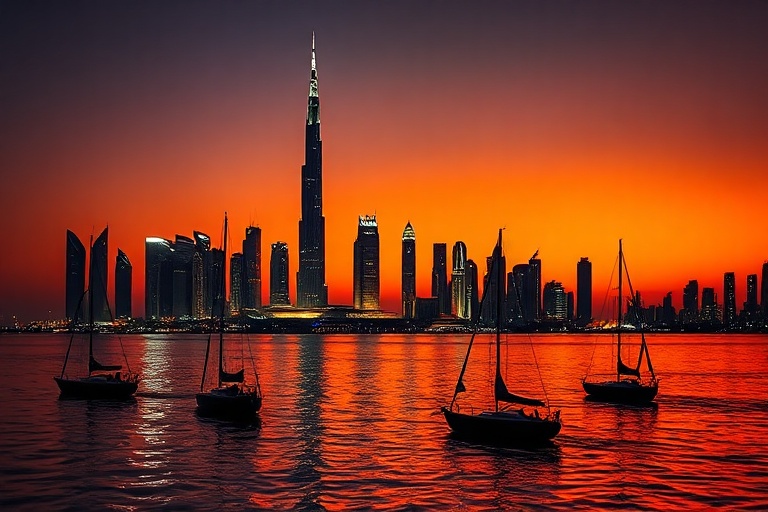
Nestled at the northwestern tip of the Arabian Gulf, Kuwait stands as a testament to resilience, ambition, and cultural heritage. This small yet influential nation has transformed itself from a pearl-diving economy to a global energy player while maintaining a distinct identity shaped by history and geography. With its gleaming skyline, rich traditions, and strategic importance, Kuwait offers a compelling case study in balancing modernity with tradition.
Historical Foundations: From Pearls to Oil
Kuwait’s story begins long before oil transformed its fortunes. The region’s history stretches back to ancient times, with archaeological evidence suggesting human settlement as early as 3000 BCE. By the 18th century, Kuwait City emerged as a prominent trading hub, connecting the Arabian interior with maritime routes to India and beyond.
The discovery of oil in 1938 marked a turning point. While pearl diving and trade had sustained the economy for generations, oil exports beginning in 1946 catapulted Kuwait into a new era. The nation’s carefully managed resources allowed it to avoid the boom-and-bust cycles that affected other Gulf states, instead building one of the most stable economies in the region.
The 1990 Iraqi invasion and subsequent liberation demonstrated both Kuwait’s vulnerability and its determination. The seven-month occupation left deep scars but also forged a national identity rooted in resilience and gratitude to the international coalition that restored its sovereignty.
Economic Engine: Beyond Oil
While oil remains the cornerstone of Kuwait’s economy—accounting for nearly 90% of government revenue—leadership has recognized the need for diversification. The government’s Kuwait Vision 2035 outlines ambitious plans to develop infrastructure, tourism, and financial services.
The nation’s sovereign wealth fund, one of the world’s oldest, plays a crucial role in global investments. With assets exceeding $500 billion, the Kuwait Investment Authority manages funds across real estate, equities, and alternative investments, positioning Kuwait as a key financial player beyond its borders.
In recent years, the country has made strides in renewable energy. The 2023 launch of the Al-Shagaya renewable energy project—combining solar, wind, and thermal power—demonstrates Kuwait’s commitment to sustainable development while maintaining its energy leadership.
Cultural Crossroads: Where Tradition Meets Innovation
Kuwaiti culture represents a fascinating blend of Bedouin heritage and cosmopolitan influences. The nation’s location at the crossroads of trade routes has fostered a society that embraces both its Arab identity and global connections.
The traditional dīwāniyya gatherings remain central to social life, where elders and youth alike discuss everything from politics to poetry over strong Arabic coffee. These spaces serve as living classrooms for Kuwait’s rich oral traditions, including sabah poetry and ardah dance performances.
Modern Kuwaiti society reflects this duality. The country boasts one of the highest literacy rates in the region (96.1% among adults) and a literacy rate of 99.9% among youth. Kuwait University, founded in 1966, has become a regional academic hub, while institutions like the Gulf University for Science and Technology are pushing boundaries in research and innovation.
For those interested in exploring Kuwait’s cultural offerings beyond its borders, the nation’s pavilions at international events like the Venice Biennale have gained recognition for showcasing contemporary art that bridges Eastern and Western aesthetics.
Global Connections: Diplomacy and Soft Power
Kuwait’s foreign policy has consistently emphasized mediation and dialogue. The nation has played host to numerous international summits, including the historic 2017 Arab-Islamic-American summit that brought together leaders from across the Muslim world.
The country maintains strong relationships across the globe while carefully navigating regional tensions. Its membership in both the Gulf Cooperation Council and the Arab League allows it to influence regional security architectures, particularly in matters concerning Iraq and Iran.
Cultural diplomacy represents another pillar of Kuwait’s global engagement. The annual Hala Febrayer festival transforms the country into a cultural carnival featuring music, theater, and culinary events from around the world. Meanwhile, Kuwaiti artists and filmmakers are gaining international recognition, with works featured at prestigious venues including the Sundance Film Festival.
Kuwait’s strategic location has also made it a key player in humanitarian efforts. The country has hosted millions of refugees during regional crises and contributed significantly to international aid organizations, earning praise from the United Nations for its commitment to global solidarity.
Challenges and Opportunities on the Horizon
Like many resource-dependent nations, Kuwait faces challenges in diversifying its economy and preparing its workforce for a post-oil future. Youth unemployment remains a concern, with nearly 20% of Kuwaitis aged 15-24 out of work despite the country’s strong economic indicators.
The government has responded with initiatives like the National Fund for Small and Medium Enterprises Development, which provides financing and support to entrepreneurs. The private sector’s share of GDP has increased to 40%, up from 32% in 2010, signaling progress in economic restructuring.
Environmental challenges present another frontier. Kuwait’s location makes it particularly vulnerable to climate change effects, including rising temperatures and desertification. The government has responded with ambitious green initiatives, including the Kuwait National Development Plan which targets 15% renewable energy by 2030.
Social reforms represent perhaps the most visible changes. Kuwaiti women obtained full political rights in 2005 and have since made significant strides in public life. The nation’s parliament, one of the most active in the region, includes five women among its current 50 members.
Key Economic Sectors
- Oil and Gas: Accounts for 50% of GDP and 90% of exports
- Finance: Home to the Gulf’s first stock exchange (1962)
- Shipping: Kuwait Ports Public Authority manages one of the region’s busiest ports
- Renewable Energy: 15% renewable target by 2030 through solar and wind projects
- Tourism: Focus on cultural tourism with projects like the Silk City development
Notable Kuwaiti Contributions to Global Culture
- Abdullah Al-Qenaei: Internationally acclaimed artist whose works explore Arab identity
- Nawaf Al-Khaldi: Renowned calligrapher preserving traditional Islamic art
- Mona Shihab: Award-winning journalist and media personality
- Bader Al-Mulla: Contemporary novelist bridging Kuwaiti and global literature
- Fajer Al-Saeed: Cultural entrepreneur behind major festivals and cultural institutions
Why Kuwait Matters in the 21st Century
In an era of shifting global power dynamics, Kuwait’s story offers important lessons about stability, adaptability, and cultural preservation. The nation demonstrates how a small state can leverage its resources and strategic position to punch above its weight in international affairs.
Kuwait’s experience with economic diversification provides a model for other Gulf states facing similar challenges. Its commitment to education and youth empowerment suggests a forward-looking approach to governance that balances tradition with innovation.
The country’s cultural scene, meanwhile, represents a vital bridge between East and West. Kuwaiti artists, writers, and musicians are increasingly shaping global conversations about identity, migration, and belonging in our interconnected world.
As Kuwait approaches its 65th year of independence in 2026, the nation stands at another crossroads. The choices made in the coming decade will determine whether it can successfully transition from an oil economy to a knowledge-based society while maintaining its distinctive cultural identity.
For observers of global affairs, Kuwait remains a compelling case study in how small nations can navigate the complexities of the 21st century. Its blend of ancient traditions and cutting-edge innovation offers a blueprint for sustainable development in an era of rapid change.
The world would do well to pay closer attention to this Gulf gem—not just as an energy supplier, but as a laboratory for cultural synthesis and diplomatic innovation in an increasingly fragmented world.