Greg Davies Takes the BAFTA Stage with Unfiltered Wit
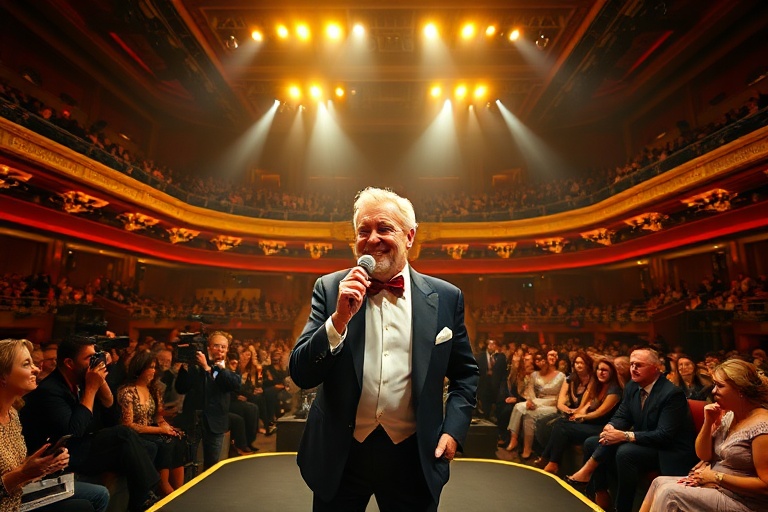
Greg Davies, the towering comedian known for his sharp tongue and even sharper suits, delivered one of the most talked-about opening monologues in BAFTA history. The ceremony, which celebrated the best in film and television, became a platform for Davies to blend humor with biting social commentary, all while maintaining the gravitas expected of such an event. His performance was a masterclass in balancing irreverence with insight, proving once again why he remains one of Britain’s most distinctive voices in comedy.
Davies’ monologue was far from a typical awards-show opener. Instead of relying solely on self-deprecating jokes or lighthearted banter, he wove in observations about the industry itself—its absurdities, its hypocrisies, and the relentless pace of change. The result was a performance that resonated not just with the audience in the room, but with viewers worldwide, sparking conversations about the role of awards shows in modern entertainment.
From Classroom to Ceremony: Davies’ Unconventional Path
Greg Davies’ journey to the BAFTA stage is a story of reinvention. Before he became a household name, he spent years teaching drama and English, a career that seems almost laughably distant from his current status as a comedy titan. His transition from educator to entertainer wasn’t immediate or easy. Early gigs in small comedy clubs were met with mixed reactions—some audiences loved his deadpan delivery, while others struggled to connect with his intensity.
What changed? Davies honed his craft, refining his ability to deliver jokes with surgical precision. His breakout role in Taskmaster—a show that turned the idea of competitive television on its head—catapulted him into the public eye. Suddenly, his brand of humor, which thrives on absurdity and a refusal to play by conventional rules, found a receptive audience. By the time he stepped onto the BAFTA stage, he wasn’t just a comedian; he was a cultural commentator, unafraid to skewer the very industry that had embraced him.
The Monologue That Divided—and United—the Audience
Davies’ BAFTA monologue wasn’t just a performance; it was an event. Within minutes of its delivery, social media erupted with reactions ranging from laughter to outrage. Some praised his fearless commentary, particularly his jabs at Hollywood’s obsession with franchises and the often superficial nature of awards recognition. Others felt his jokes crossed a line, blurring the boundary between humor and outright criticism.
The monologue’s most memorable moments included Davies’ take on the “prestige” of awards shows themselves. He quipped about the pressure to deliver an opening speech that was both funny and profound, mocking the performative nature of such events. At one point, he deadpanned, “I’ve been asked to make you laugh, to make you think, and to make you forget that you’re sitting next to someone who paid £500 for this seat.” The line drew both groans and applause, a testament to its divisive yet undeniable cleverness.
Culturally, the monologue reflected a broader trend in comedy: the blending of humor with social critique. Davies joins a long line of comedians who use laughter as a Trojan horse for deeper commentary, from George Carlin’s rants about American culture to John Oliver’s incisive takes on global politics. In an era where audiences crave authenticity—even in scripted performances—Davies’ willingness to poke fun at the establishment while standing firmly within it struck a chord.
Awards Shows in the Age of Viral Comedy
BAFTA’s decision to hand Davies the opening slot wasn’t just a gamble; it was a strategic move. Awards shows face increasing pressure to remain relevant in an age where audiences can get their fix of viral comedy clips in seconds. Traditional ceremonies risk feeling stale, outdated, even irrelevant. By choosing Davies—a comedian who thrives on unpredictability and unfiltered opinions—the organizers signaled a desire to inject fresh energy into the event.
This shift mirrors a global trend. The Entertainment industry is increasingly looking to comedians who can bridge the gap between niche appeal and mass audiences. Shows like Saturday Night Live and The Late Show with Stephen Colbert have long relied on comedians to tackle serious topics, but the rise of platforms like YouTube, TikTok, and Twitch has democratized comedy in ways that were unimaginable a decade ago. Davies’ BAFTA monologue is part of this evolution, a reminder that comedy isn’t just about making people laugh—it’s about making them think.
Yet, the challenge for awards shows remains: how do they balance tradition with innovation? Davies’ monologue was a step in the right direction, but it also highlighted the risks. Not every comedian can pull off the feat of being both hilarious and thought-provoking. The key, perhaps, lies in authenticity—a commodity that’s increasingly valuable in an era of curated content and algorithm-driven engagement.
Why Davies’ Monologue Matters Beyond the Laughs
The cultural impact of Davies’ performance extends beyond the immediate buzz. It raises important questions about the role of comedy in public discourse. In an age where political correctness often stifles open dialogue, Davies’ willingness to push boundaries is both refreshing and contentious. His monologue wasn’t just a series of jokes; it was a commentary on the industry that nurtured him, the audience that adores him, and the world that consumes his work.
Moreover, Davies’ success underscores the global appeal of British comedy. While American comedians often dominate international conversations, figures like Davies prove that Britain’s comedic landscape is rich with talent that resonates across borders. His BAFTA monologue wasn’t just a British affair; it was a moment that transcended geography, uniting audiences from Los Angeles to Tokyo in shared laughter and debate.
The Takeaways for the Entertainment Industry
For those in the Entertainment industry, Davies’ monologue offers several lessons. First, it highlights the importance of taking risks. Awards shows, like all live events, thrive on spontaneity and unpredictability. Second, it demonstrates the power of authenticity. Audiences today can spot insincerity from a mile away, and Davies’ refusal to sugarcoat his opinions struck a chord with many. Finally, it serves as a reminder that comedy is a universal language. Whether you’re in London, Mumbai, or Mexico City, laughter is a shared experience—and sometimes, it’s the best way to tackle the toughest topics.
As the dust settles on another BAFTA ceremony, one thing is clear: Greg Davies didn’t just open the show. He redefined what an opening monologue can—and should—be. In doing so, he left audiences around the world laughing, thinking, and, most importantly, talking.