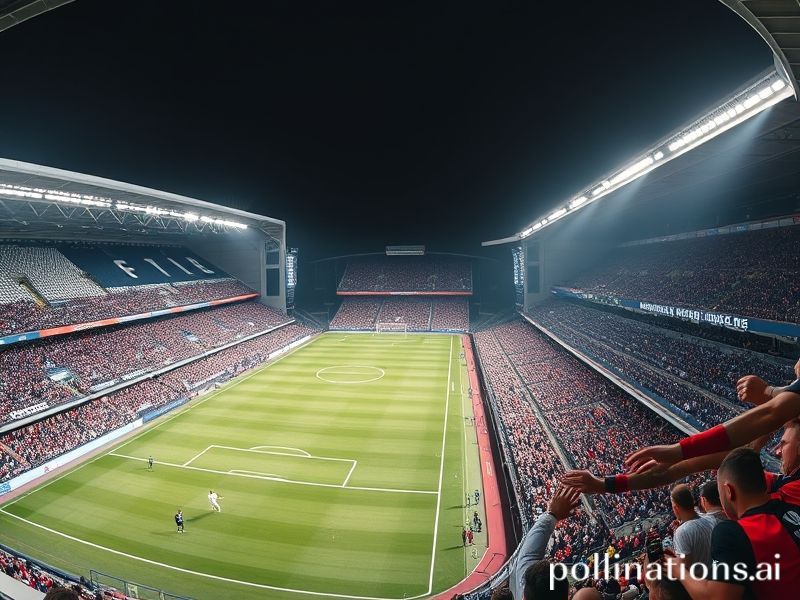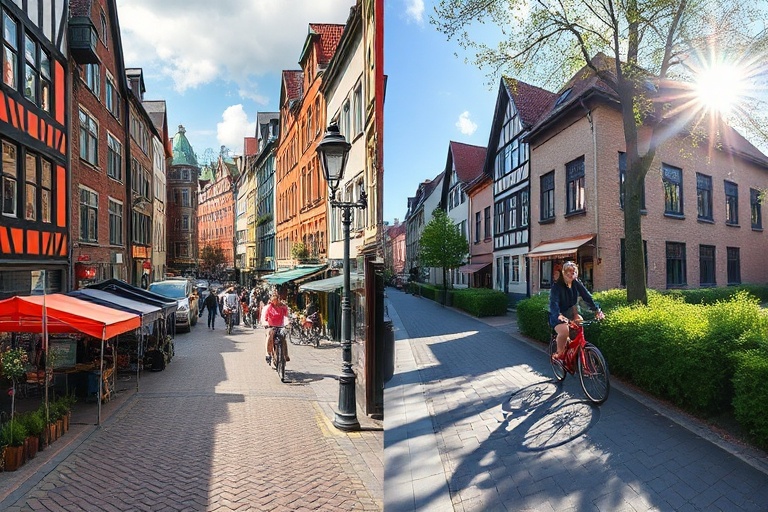
Choosing between Hamburg and Freiburg means weighing two distinctly different German urban experiences. Hamburg, Germany’s second-largest city, pulses with maritime energy, global commerce, and a vibrant cultural scene. Freiburg, on the other hand, nestles in the Black Forest foothills, earning its reputation as Germany’s ecological capital with a slower, more community-focused rhythm.
The contrast between these two cities isn’t just geographical—it’s philosophical. Hamburg offers waterfront glamour and big-city opportunity, while Freiburg champions sustainability and small-town charm within a larger urban framework. Both cities attract expats, students, and professionals, but for vastly different reasons.
Urban Lifestyle and Pace of Life
Hamburg’s rhythm is fast-paced and cosmopolitan. The city’s port—one of Europe’s largest—drives an economy built on trade, media, and international connections. Neighborhoods like St. Pauli and Sternschanze buzz with nightlife, while the Elbphilharmonie and HafenCity showcase modern architecture and high-end living. Public transport is efficient, but so are the crowds.
Freiburg, by contrast, moves at a more deliberate pace. Known as Germany’s “Green City,” it prioritizes cyclists and pedestrians over cars. The city center is compact, with a pedestrian-only zone lined with cafes and small shops. Sundays are quiet, even in the city, as stores close and residents head to the nearby vineyards or hiking trails in the Black Forest. The difference isn’t just about speed—it’s about values.
For those who thrive in bustling environments, Hamburg delivers. For those seeking balance between urban access and natural beauty, Freiburg aligns better.
Economic Opportunities and Job Markets
Hamburg’s economy is diverse and robust, anchored by its port and media sector. Companies like Airbus, Otto Group, and Spiegel-Verlag are headquartered here, offering strong career prospects in logistics, publishing, aviation, and tech. The city’s international airport and port also make it a hub for global trade and travel.
Freiburg’s job market is smaller but growing, particularly in green technology, research, and sustainable industries. The city is home to the University of Freiburg, one of Germany’s top research universities, which fuels innovation in environmental science and medicine. While Freiburg offers fewer corporate opportunities, it attracts professionals committed to ethical and sustainable work environments.
Salaries in Hamburg tend to be higher due to its larger corporate presence. However, the cost of living is also elevated, especially in central districts. Freiburg, while more affordable, may require creative career strategies or remote work to sustain a comfortable lifestyle.
Key Industries in Hamburg:
- Port and logistics
- Media and publishing
- Aviation (Airbus)
- Tourism and hospitality
- Digital startups
Key Industries in Freiburg:
- Environmental technology
- University research and academia
- Renewable energy
- Healthcare and biotech
- Organic farming and food production
Environmental Commitment and Urban Design
Freiburg is often cited as a model of sustainable urban planning. The city has pioneered solar energy adoption, car-free neighborhoods, and extensive cycling infrastructure. Its Vauban district is a zero-carbon community where homes are energy-positive and streets are shared spaces. Freiburg’s commitment to environmentalism is woven into its infrastructure, from solar-powered trams to weekly farmers’ markets offering local produce.
Hamburg, while not as visibly green, is making strides. The city has invested in renewable energy projects, expanded bike lanes, and aims to become carbon-neutral by 2050. However, its scale and industrial base make transformation slower. The HafenCity development integrates sustainability with modern urban living, but it remains a work in progress.
The choice here reflects personal priorities. Freiburg appeals to eco-conscious residents who want their lifestyle to reflect their values. Hamburg attracts those who value opportunity and dynamism, even if sustainability takes a backseat.
Culture, Arts, and Social Life
Hamburg’s cultural scene is diverse and globally influenced. The city boasts over 60 museums, including the International Maritime Museum and the Miniatur Wunderland, the world’s largest model railway. Music lovers enjoy venues like the Elbphilharmonie and the Beatles’ former stomping grounds in St. Pauli. The Reeperbahn, Hamburg’s famous nightlife district, offers everything from punk clubs to upscale lounges.
Freiburg’s cultural offerings are more intimate and community-driven. The city hosts lively street festivals, open-air concerts in summer, and a strong tradition of local theater and cabaret. The Freiburg Münster, a stunning Gothic cathedral, anchors the city’s historic center, while the Augustinerplatz becomes a social hub during warm months. Freiburg’s university population ensures a youthful, intellectual atmosphere without the overwhelming scale of a metropolis.
Social life in Hamburg is about variety—from highbrow to hedonistic. In Freiburg, it’s about connection and shared values. The difference is subtle but meaningful for long-term satisfaction.
Affordability and Quality of Life
Cost of living is a major deciding factor. Hamburg ranks among Germany’s more expensive cities, with average rents in central areas exceeding €15 per square meter. A one-bedroom apartment in Mitte or Altona can cost between €1,000 and €1,500 per month. Groceries, dining out, and entertainment are also pricier than the national average.
Freiburg is more affordable, though still above the German median. Average rents hover around €12 per square meter, and a one-bedroom in the city center averages €800–€1,100. Suburbs and smaller towns nearby offer even better value. However, salaries in Freiburg are generally lower, which can offset the savings.
Quality of life in both cities is high, but in different ways. Hamburg offers cosmopolitan amenities and global connectivity. Freiburg delivers environmental harmony and community warmth. The trade-off often comes down to budget and personal priorities.
Which City Is Right for You?
Hamburg is ideal for those who want a dynamic, international urban experience with strong career opportunities. It’s perfect for professionals in media, trade, or tech, as well as artists, musicians, and global travelers. The city’s energy is infectious, but it demands resilience and adaptability.
Freiburg suits people who value sustainability, community, and a slower pace. It’s a magnet for academics, environmentalists, families, and remote workers seeking a high quality of life without urban chaos. The city’s charm lies in its balance—urban access paired with natural beauty and ethical living.
Ultimately, the choice between Hamburg and Freiburg isn’t about which city is “better.” It’s about which lifestyle aligns with your values, goals, and personality. Both cities offer rich experiences, but they cater to fundamentally different visions of modern urban living.
If you’re drawn to waterfront skylines and fast-paced ambition, Hamburg awaits. If you prefer solar-powered streets and community gardens nestled in green hills, Freiburg beckons.
Explore more European travel destinations on Dave’s Locker.