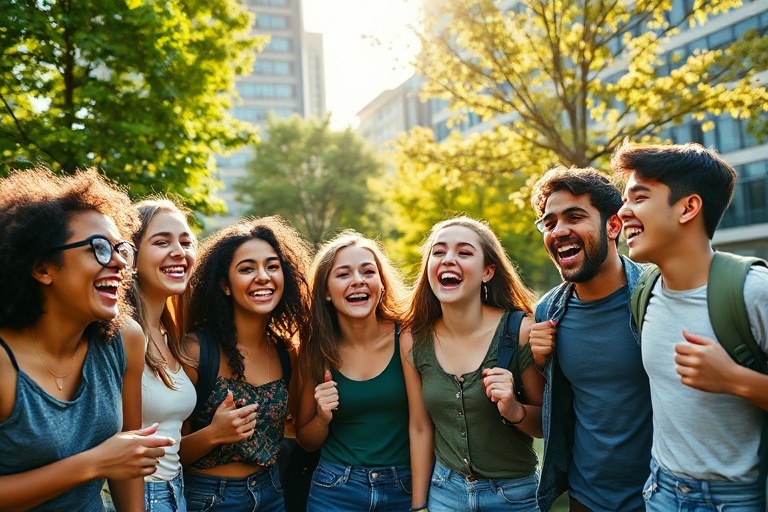
The Rise of Youth-Led Movements
Across continents, young voices are reshaping societal norms, economic structures, and political landscapes. From climate strikes sweeping Europe to tech-driven protests in Asia, the energy of the under-30 demographic is impossible to ignore. These movements aren’t just fleeting trends—they represent a fundamental shift in how power is both demanded and distributed.
In Sub-Saharan Africa, youth unemployment rates hover above 60% in some nations, yet this same demographic is launching innovative solutions. Platforms like M-Pesa in Kenya began as grassroots fintech experiments before becoming global case studies. Meanwhile, in Latin America, protests led by students against systemic corruption have toppled governments and rewritten constitutions. The message is clear: when traditional systems fail, young people invent new ones.
Economic Disruption Through Digital Natives
Born between 1997 and 2012, Generation Z and younger millennials wield $143 billion in spending power annually in the U.S. alone. Their preferences are rewriting industries:
- Sustainability first: 62% of Gen Z prefers brands with strong environmental values, pushing companies to adopt circular economy models.
- Authenticity over polish: User-generated content on TikTok and Instagram Stories outperforms traditional advertising by 22%.
- Financial literacy boom: Apps like Robinhood and Revolut report 40% of users are under 30, democratizing investing.
This cohort’s digital fluency isn’t just about consumption—it’s about creation. In India, young coders build AI tools for rural healthcare, while in Brazil, favela residents use open-source mapping to track police violence. The classroom is no longer the sole incubator of innovation; the smartphone has become the new laboratory.
Cultural Clashes and Collaborations
Globalization and social media have created a paradox: while young people share memes and trends across borders, they’re simultaneously clashing with older generations over values. The debate over gender identity in South Korea’s K-pop industry, where idols publicly transition, reflects broader tensions in Confucian societies grappling with tradition versus modernity.
In the Middle East, female gamers in Saudi Arabia stream esports with their faces uncovered, defying both conservative norms and Western stereotypes of Arab women. Their success has forced global platforms like Twitch to adapt moderation policies for culturally diverse audiences. Meanwhile, in Europe, debates rage over whether “woke” culture is liberating or divisive—with youth often leading the charge on both sides.
The Mental Health Paradox
Paradoxically, this generation is both more connected and more isolated than any before. Studies show Gen Z reports higher rates of anxiety and depression, yet they’re also pioneering mental health advocacy:
- Normalizing therapy through viral TikTok hashtags like #TherapyTok (5.3 billion views).
- Creating “quiet quitting” as a response to burnout culture.
- Demanding workplace flexibility before the pandemic made it mainstream.
Therapists note that while digital spaces provide support communities, they also amplify comparison culture. The same platforms that connect a teenager in Tokyo to one in Toronto can exacerbate feelings of inadequacy when curated highlight reels collide with reality.
Political Power in the Making
Historically, youth voter turnout has lagged behind older demographics. Yet recent elections tell a different story. In 2022, 37% of eligible Gen Z voters cast ballots in U.S. midterms—the second-highest youth turnout in 30 years. Their priorities—climate action, gun control, and student debt relief—are reshaping campaign strategies.
Europe’s Green parties owe much of their growth to young voters, with Germany’s Greens polling 28% among 18-24-year-olds. Even in authoritarian regimes, digital resistance persists. In Iran, Gen Z uses VPNs and offline networks to circumvent state censorship, while in Russia, young activists circulate protest manuals via Telegram channels that authorities can’t easily shut down.
Yet political engagement isn’t limited to voting. In Poland, young women organized the “Black Protests” that forced rollbacks of near-total abortion bans. In Nigeria, the #EndSARS movement against police brutality saw 70% participation from Gen Z, despite violent crackdowns. These aren’t just protests—they’re movements with sophisticated logistics, legal teams, and international PR strategies.
Education in the Age of Information Overload
Traditional education systems are struggling to keep pace with digital natives. Finland’s decision to eliminate subject-based teaching in favor of phenomenon-based learning—a model where students study climate change through math, science, and civics simultaneously—reflects a global shift toward interdisciplinary education.
Meanwhile, platforms like Duolingo and Khan Academy report 60% of their users are under 25, with many turning to self-directed learning when universities fail to adapt curricula to modern demands. Coding bootcamps in Africa now train more developers annually than some European countries’ computer science graduates combined.
Yet this democratization of knowledge has a dark side. Deepfake technology enables harassment campaigns against young activists, while AI-generated content floods social media with misinformation that targets vulnerable youth populations. The same tools that promise liberation can also become chains.
A Generation of Contradictions
The young and restless today embody contradictions that define their era. They demand systemic change while benefiting from the very systems they critique. They celebrate individualism yet flock to communal spaces like Discord servers and Reddit forums. Their activism is both hyper-local and globally networked, with a 16-year-old in Sweden influencing U.N. climate policy while also organizing local mutual aid networks.
What unites them isn’t a shared ideology but a shared language of disruption. Whether through music—see the rise of hyperpop as a rebellion against genre boundaries—or sports, where e-sports viewership among 18-24-year-olds now rivals traditional athletics in some markets, this generation refuses to accept boundaries as permanent.
The institutions that once defined adulthood—stable careers, homeownership, traditional families—are being questioned. In their place, young people are building fluid, digital-first communities where loyalty is earned through authenticity, not tenure. The question isn’t whether they’ll change the world—it’s whether the world is ready to change with them.
One thing is certain: the young aren’t waiting for permission anymore. They’re drafting the blueprints while the rest of us catch up.