Salvador: Brazil’s Cultural Gem with a Complex Past
Salvador: A City of Contrasts and Cultural Riches
Salvador, the capital of Bahia in Brazil, stands as a vibrant testament to the country’s complex history and diverse cultural heritage. Founded in 1549, the city is one of the oldest in the Americas, blending colonial architecture, African traditions, and modern Brazilian life into a unique urban tapestry. Its cobblestone streets, colorful buildings, and rhythmic beats create an atmosphere unlike any other in Brazil. Yet beneath its postcard-perfect surface lies a city grappling with social inequalities and rapid change.
The contrast between wealth and poverty is stark in Salvador. Affluent neighborhoods like Barra and Rio Vermelho boast pristine beaches, upscale restaurants, and luxury condominiums. Meanwhile, areas such as the Pelourinho district—despite its UNESCO World Heritage status—struggle with underfunded infrastructure and limited opportunities. This disparity reflects the broader challenges facing Brazil, where economic growth has not been evenly distributed. The city’s resilience, however, lies in its ability to celebrate diversity while confronting these issues head-on.
The Heartbeat of Salvador: Music and Festivals
Music is the lifeblood of Salvador. The city is the birthplace of several influential Brazilian music genres, including axé and samba-reggae. These rhythms originated from African traditions brought by enslaved people and evolved into distinct cultural expressions. During the summer, Salvador hosts one of the world’s largest street parties: Carnival. The event transforms the city into a nonstop celebration of music, dance, and creativity.
The trio elétrico—mobile sound trucks decked with speakers—is an iconic symbol of Salvador’s Carnival. These vehicles lead massive parades through the streets, blasting music that draws crowds of thousands. The energy is infectious, with dancers clad in glittering costumes moving in sync to the beat. Beyond Carnival, Salvador’s music scene thrives year-round, with live performances in bars, clubs, and cultural centers. The city’s musical legacy continues to shape Brazil’s broader cultural identity.
Some of the most famous artists to emerge from Salvador include Ivete Sangalo, Claudia Leitte, and Margareth Menezes. Their music blends traditional Afro-Brazilian sounds with contemporary pop influences, appealing to both local and international audiences. The city’s annual music festivals, such as Festival de Verão Salvador, further showcase its role as a hub for artistic innovation.
A Living Museum: Architecture and History
Salvador’s historic center, Pelourinho, is a UNESCO World Heritage site that transports visitors back to the colonial era. The area is filled with 17th- and 18th-century churches, mansions, and public squares that tell the story of Brazil’s past. The São Francisco Church, with its gold-covered interior, is a prime example of Baroque architecture in the Americas. Nearby, the Pelourinho’s colorful facades and cobblestone streets create a picturesque setting for photographers and history enthusiasts.
However, the preservation of Pelourinho has been a contentious issue. In the 1990s, the Brazilian government invested heavily in restoring the district to boost tourism. While this effort saved many buildings from ruin, it also led to the displacement of long-time residents. Gentrification has altered the social fabric of the area, turning it into a tourist attraction while pushing out the very communities that once called it home. Today, debates continue about balancing preservation with social equity.
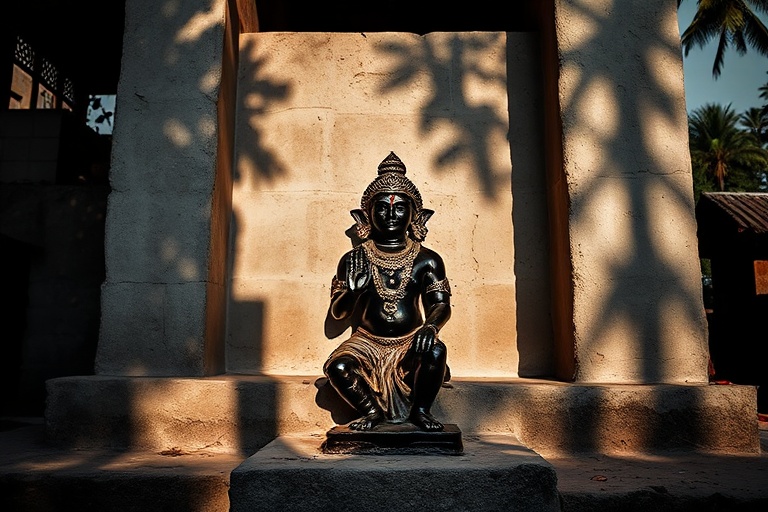
The city’s African heritage is also evident in its religious sites. Candomblé, a syncretic religion blending African traditions with Catholicism, has deep roots in Salvador. The Casa Branca do Engenho Velho, one of the oldest Candomblé terreiros (temples) in Brazil, remains an active spiritual center. Visitors can learn about the religion’s rituals, which play a vital role in preserving African cultural practices.
Culinary Delights: A Feast for the Senses
Salvador’s cuisine is a reflection of its multicultural roots. The city’s food scene is dominated by Bahian dishes, which combine African, Indigenous, and Portuguese influences. A must-try is moqueca, a fragrant seafood stew made with coconut milk, dendê oil, and malagueta peppers. Acarajé, a deep-fried black-eyed pea fritter stuffed with shrimp and spicy paste, is another iconic dish that originated from Yoruba traditions.
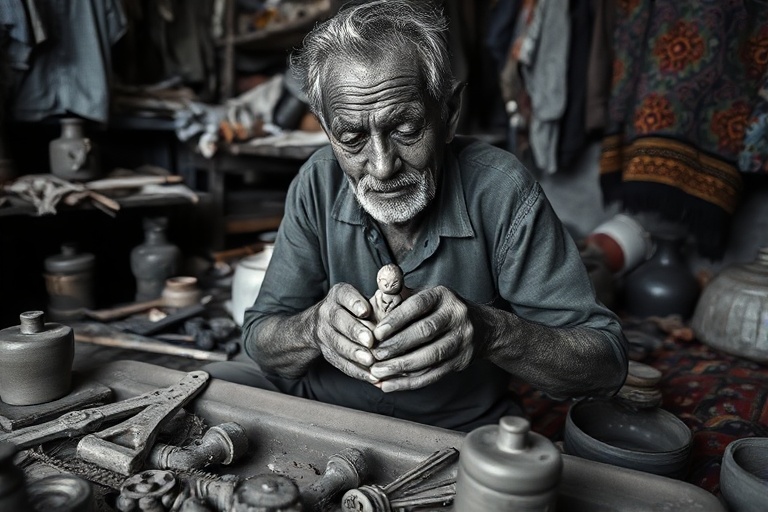
For those looking to explore Salvador’s culinary landscape, the Mercado Modelo offers a vibrant market experience. Here, visitors can sample local delicacies, purchase handmade crafts, and soak in the lively atmosphere. The market is also a great place to try cocada, a sweet coconut treat, or a glass of freshly squeezed tropical fruit juice.
The city’s food culture extends beyond restaurants. Street vendors play a crucial role in keeping traditions alive, serving dishes that have been passed down for generations. Food festivals like Festa da Pituba highlight the diversity of Bahian cuisine, drawing both locals and tourists to celebrate the region’s gastronomic heritage.
The Future of Salvador: Challenges and Opportunities
Salvador faces significant challenges as it navigates the 21st century. Crime rates, particularly in poorer neighborhoods, remain a pressing issue. The city’s homicide rate is among the highest in Brazil, fueled by gang violence and drug trafficking. Efforts to improve public safety have had mixed results, with some initiatives reducing crime in certain areas while others fall short.
Economic inequality is another hurdle. Despite its cultural wealth, Salvador ranks among the poorer state capitals in Brazil. Many residents lack access to quality education, healthcare, and job opportunities. However, there are signs of progress. The city has invested in infrastructure projects, such as improving public transportation and expanding broadband access. These efforts aim to create a more inclusive economy that benefits all citizens.
Tourism remains a key driver of Salvador’s economy. The city’s unique blend of history, music, and cuisine attracts millions of visitors each year. However, the COVID-19 pandemic dealt a severe blow to the tourism sector, forcing businesses to adapt. Many restaurants and cultural organizations pivoted to online platforms, offering virtual tours and livestreamed performances. While the pandemic was a setback, it also highlighted the resilience of Salvador’s creative community.
The future of Salvador will depend on its ability to address these challenges while preserving its cultural identity. The city’s strength lies in its people—artists, musicians, chefs, and activists who continue to shape its narrative. By investing in education, social programs, and sustainable tourism, Salvador can build a more equitable future without losing the spirit that makes it unique.
Why Salvador Matters
Salvador is more than just a tourist destination; it is a living example of Brazil’s cultural and historical complexity. Its music, food, and architecture tell the story of a city that has endured centuries of change while remaining deeply rooted in tradition. For visitors, Salvador offers an immersive experience that engages all the senses. For residents, it is a place of pride, struggle, and hope.
The city’s contradictions—its wealth and poverty, its past and present—make it a fascinating subject of study. Salvador challenges visitors to look beyond the surface and engage with its deeper realities. Whether it’s dancing in the streets during Carnival or exploring the quiet corners of Pelourinho, the city invites curiosity and reflection.
As Brazil continues to evolve, Salvador will undoubtedly play a crucial role in shaping the country’s cultural and social landscape. Its story is far from over, and its future remains unwritten—a testament to the enduring spirit of its people.