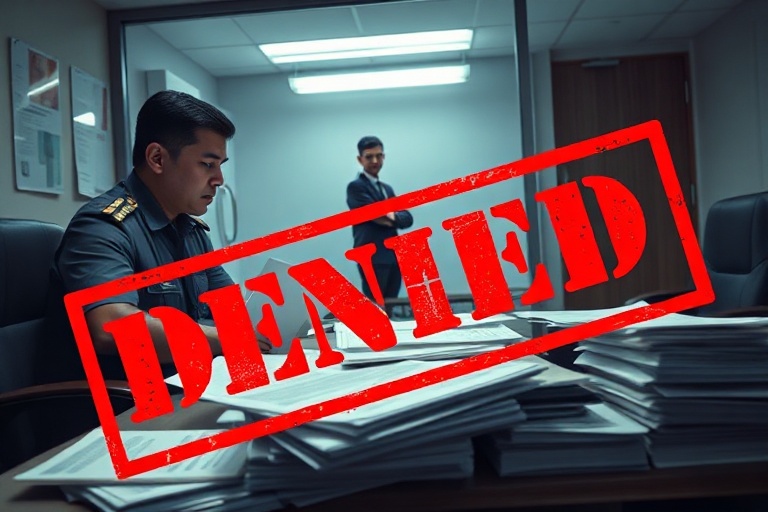
International Students Face New Ice Crackdowns Amid Changing Visa Policies
The landscape for international students seeking education abroad has shifted dramatically in recent years. Governments worldwide are tightening regulations around work eligibility and visa compliance, with particular focus on offenses like working without proper authorization. This change has created ripple effects across universities, student communities, and global education markets.
Understanding the Policy Shift: What’s Driving the Crackdown?
Several factors are fueling this stricter approach. Economic pressures in host countries have led to policies prioritizing local job markets. In the United States, for example, the U.S. Citizenship and Immigration Services (USCIS) has increased scrutiny of F-1 visa holders working off-campus without explicit authorization. Similarly, Canada’s Immigration, Refugees and Citizenship Canada (IRCC) has introduced stricter pathways for post-graduation work permits, reducing flexibility for students who violate visa terms.
Cultural attitudes toward immigration also play a role. In nations like Australia and the United Kingdom, political discourse has increasingly framed international students as temporary visitors rather than long-term contributors. This perspective aligns with tighter enforcement of visa conditions, including restrictions on employment during studies.
Real-World Consequences: Stories from the Frontlines
The impact of these policies is felt most acutely by students caught in the crossfire. Take the case of a group of Indian students in the U.S. who were arrested in 2023 for operating a call center using F-1 visas. While the operation was illegal, the incident highlighted how vulnerable students can become entangled in complex legal situations due to unclear or outdated regulations. Many of these students had no prior knowledge of the restrictions on their work eligibility.
In Canada, a 2022 policy change limited the number of hours international students could work off-campus to 20 per week during academic sessions. While intended to protect academic focus, the rule left many students struggling financially. Some turned to gig work or unpaid internships, further complicating their visa status.
These challenges are not isolated. A 2023 survey by the International Education Association of Australia found that nearly 30% of international students reported concerns about their visa compliance, with many citing confusion over work rights as a major stressor.
Navigating the System: What Students Need to Know
For international students, understanding visa regulations is now as critical as academic performance. Here’s a breakdown of key considerations:
- Work Eligibility: Most student visas restrict employment to on-campus roles or specific internships related to the field of study. Unauthorized work can lead to visa revocation, deportation, or bans on re-entry.
- Reporting Requirements: Some countries require students to report changes in employment or academic status. Failure to comply can result in penalties.
- Legal Consequences: Engaging in unauthorized work or overstaying a visa can lead to severe legal repercussions, including fines, deportation, and difficulty obtaining future visas.
- Support Systems: Many universities now offer legal clinics or immigration advisors to help students navigate these complexities. Proactively seeking guidance can prevent costly mistakes.
Students should also stay informed about policy updates. For instance, the Biden administration’s recent proposals to expand work authorization for certain STEM graduates demonstrate how regulations can evolve. Keeping track of official government websites and university announcements is essential.
Global Perspectives: How Different Countries Are Responding
The approach to international student regulations varies significantly across the globe. In Europe, countries like Germany and the Netherlands have maintained relatively student-friendly policies, offering post-study work visas and pathways to permanent residency. This has made them attractive destinations for students from Asia and Africa.
In contrast, the United Arab Emirates has taken a stricter stance, tightening work visa rules for graduates of certain universities. The move aims to align its labor market with national economic goals, but it has raised concerns about the long-term appeal of its education sector.
In Asia, countries like Japan and South Korea have introduced reforms to attract more international students. Japan’s “Study in Japan” initiative, for example, includes expanded work rights for students in designated fields. However, cultural and language barriers still pose challenges for many.
This diversity in policy reflects broader debates about the role of international students in national economies. Some nations see them as temporary labor, while others view them as potential long-term contributors. The shift toward stricter enforcement suggests a growing preference for the former.
The Future of International Education: Balancing Opportunity and Regulation
As global education becomes increasingly competitive, the balance between opportunity and regulation will define the sector’s future. Countries that prioritize clear, flexible policies are likely to attract more students, while those enforcing rigid rules risk losing talent to more welcoming destinations.
For students, the message is clear: diligence and awareness are now as important as academic achievement. Universities must step up by providing robust support systems, and governments should prioritize transparency in policy communication.
Ultimately, the crackdown on unauthorized work for international students is part of a larger conversation about immigration, labor, and education. How nations navigate this tension will shape the global flow of talent for decades to come.