Mojtaba Khamenei: Iran’s Rising Hardline Power Behind the Scenes
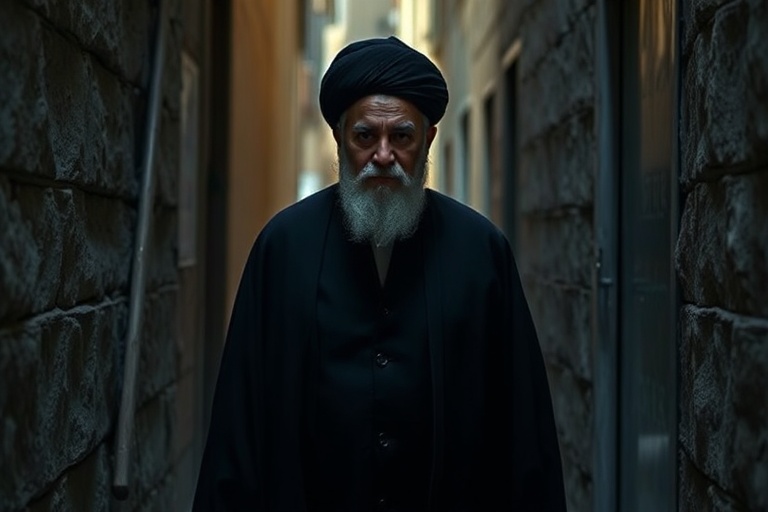
In the complex political landscape of Iran, few figures remain as shrouded in mystery as Mojtaba Khamenei. The second son of Supreme Leader Ayatollah Ali Khamenei, Mojtaba has long operated in the shadows, yet his influence behind the scenes is undeniable. As Iran navigates economic struggles, regional conflicts, and internal power struggles, understanding Mojtaba’s role becomes essential to grasping the country’s trajectory.
The Rise of Mojtaba Khamenei: From Obscurity to Influence
Born in 1969, Mojtaba Khamenei grew up in the shadow of his father’s growing political power. While his father, Ayatollah Ali Khamenei, rose to become Iran’s Supreme Leader in 1989, Mojtaba remained largely out of the public eye. Unlike his siblings, who pursued careers in academia or religious studies, Mojtaba carved a niche in the political and security apparatus of the Islamic Republic.
His influence became more apparent in the early 2010s when rumors surfaced about his involvement in key decision-making processes. Reports from Iranian dissident sources and foreign intelligence agencies suggested that Mojtaba played a role in shaping Iran’s regional policies, particularly in Iraq and Syria. His name frequently appeared in discussions about the Islamic Revolutionary Guard Corps (IRGC) and its expanding influence across the Middle East.
Key Moments in Mojtaba Khamenei’s Political Career
- 2010s Rise in Influence: Mojtaba reportedly gained prominence within the IRGC, particularly in intelligence and security matters, often acting as a liaison between hardline factions and the Supreme Leader’s office.
- Syrian Civil War Engagement: Unverified but widely discussed reports claim Mojtaba played a role in advising Iran’s military support for Bashar al-Assad’s regime during the Syrian conflict.
- 2021 Presidential Speculation: Before Ebrahim Raisi’s election, Mojtaba’s name circulated as a potential successor to his father, though constitutional restrictions prevented such a move.
- 2022-2023 Protests and Crackdowns: Following nationwide protests in 2022, Mojtaba was rumored to have influenced the regime’s harsh crackdown, reinforcing his reputation as a hardline enforcer.
Mojtaba Khamenei’s Role in Iran’s Power Structure
Mojtaba Khamenei’s position within Iran’s power structure is unique. Unlike his father, who holds the title of Supreme Leader with near-absolute authority, Mojtaba operates through influence rather than formal office. His power stems from three key sources: familial ties, institutional control, and ideological alignment.
First, his bloodline grants him unprecedented access to the highest echelons of power. While the Iranian constitution mandates that the Supreme Leader must be a cleric, Mojtaba’s proximity to his father allows him to bypass some of these restrictions. Second, his reported control over segments of the IRGC and intelligence agencies ensures his voice is heard in critical security decisions. Finally, his hardline stance aligns with the most conservative factions in Iran, positioning him as a natural successor in the eyes of movement loyalists.
Yet, his influence is not without controversy. Critics argue that Mojtaba represents the worst aspects of Iran’s theocratic system—a figure who wields power without accountability. His alleged involvement in human rights abuses, particularly during the 2022 protests, has drawn condemnation from international observers. Meanwhile, reformists within Iran view him as a symbol of the regime’s resistance to change.
The Broader Implications of Mojtaba Khamenei’s Power
The consolidation of power around Mojtaba Khamenei has significant implications for Iran’s future. Domestically, it signals a shift toward even greater authoritarianism, with the IRGC and hardline factions gaining more control over state institutions. This could lead to further repression of dissent and a tightening of social restrictions, particularly as economic pressures mount.
Internationally, Mojtaba’s influence could exacerbate tensions with the West. His hardline stance on issues like nuclear negotiations and regional conflicts suggests that Iran’s foreign policy will remain confrontational. The Biden administration’s attempts to revive the JCPOA nuclear deal faced significant hurdles partly due to Mojtaba’s opposition, as reported by U.S. intelligence sources.
Moreover, Mojtaba’s potential succession to his father—whether through formal or informal means—raises concerns about Iran’s stability. Unlike his father, who has maintained a delicate balance between factions, Mojtaba’s leadership could polarize the regime further, leading to internal fractures or even a succession crisis.
What’s Next for Mojtaba Khamenei?
As Ayatollah Ali Khamenei ages, the question of succession looms large. While the Iranian constitution outlines a process for selecting a new Supreme Leader, Mojtaba’s path to power is far from guaranteed. The Assembly of Experts, the body responsible for appointing the Supreme Leader, consists of clerics who may resist the idea of a non-cleric holding the position.
However, Mojtaba’s control over key institutions could allow him to circumvent these obstacles. A scenario where he effectively rules from behind the scenes—similar to how his father did in the early years of his leadership—cannot be ruled out. Alternatively, Iran could see a collective leadership emerge, with Mojtaba sharing power with other hardline figures.
One thing is certain: Mojtaba Khamenei’s role in Iran’s future will be pivotal. Whether as a power broker, a future Supreme Leader, or a symbol of the regime’s resistance to reform, his actions will shape Iran’s political landscape for years to come.
Conclusion
Mojtaba Khamenei remains one of the most enigmatic figures in modern Iranian politics. His rise from obscurity to a position of significant influence reflects the evolving power dynamics within the Islamic Republic. As Iran faces mounting internal and external challenges, Mojtaba’s role will only grow more prominent. Understanding his influence is key to predicting Iran’s next moves—whether in domestic repression, regional conflicts, or the delicate balance of power within the regime.
For observers of Iranian politics, Mojtaba Khamenei is a figure to watch closely. His actions could redefine the country’s trajectory, either reinforcing its authoritarian tendencies or, if internal pressures mount, accelerating its transformation.
Learn more about Iran’s political dynamics and regional influence through Dave’s Locker News and Dave’s Locker Analysis.