Neil Lennon: Celtic Legend’s Journey from Player to Manager
Neil Lennon’s name resonates deeply within football circles, not just in Scotland but across global sports culture. His career as both a player and a manager has left an indelible mark, particularly at Celtic Football Club, where his influence transcended trophies and statistics. Lennon’s story is one of resilience, tactical innovation, and an unwavering commitment to a club and its community.
Born in Lurgan, Northern Ireland, in 1971, Lennon’s journey to the top of Scottish football was anything but conventional. His early career saw him play for clubs like Glenavon and Manchester City before a defining spell at Leicester City under Martin O’Neill. These experiences shaped his understanding of football’s tactical and psychological dimensions, lessons he would later apply with remarkable success in Glasgow.
From Player to Leader: The Celtic Years
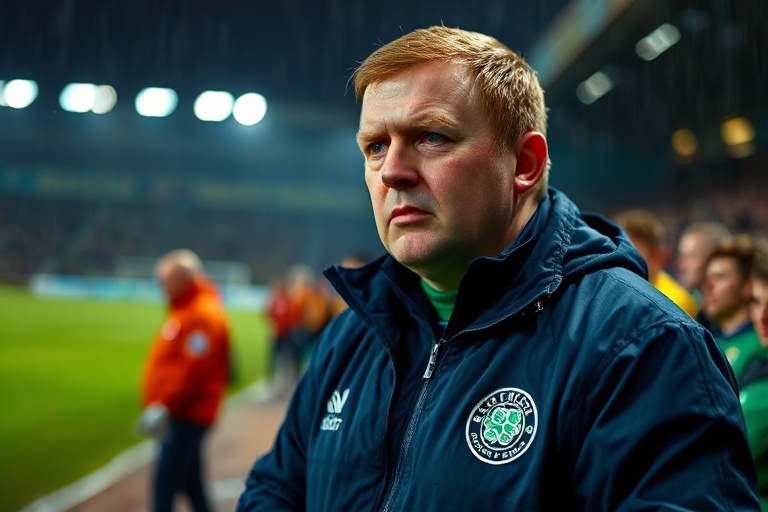
Lennon joined Celtic in 2000, a move that would cement his legacy. Initially a midfielder, his leadership qualities quickly became apparent. He captained the team during a turbulent period, navigating financial struggles and on-field challenges with a steely determination. His playing career at Celtic was marked by his ability to read the game, a trait that would later define his managerial style.
After retiring as a player in 2008, Lennon transitioned seamlessly into coaching. His deep understanding of Celtic’s ethos and the Scottish Premiership’s nuances positioned him as an ideal candidate for management. When he took over as caretaker manager in 2010, few could have predicted the impact he would have. Under his guidance, Celtic not only stabilized but thrived, dominating the league and capturing the imagination of fans worldwide.
Tactical Evolution and Team Identity
Lennon’s managerial philosophy was rooted in pragmatism and adaptability. He built teams that could grind out results in tight matches while also playing an expansive, attacking style when required. His tenure saw Celtic adopt a high-pressing system, a departure from the more traditional Scottish football approach. This shift reflected broader tactical trends in European football, where pressing and positional play became hallmarks of success.
One of Lennon’s most significant contributions was his ability to blend experienced players with emerging talent. His squads often featured a mix of seasoned professionals and academy graduates, creating a sense of continuity and loyalty. This approach fostered a strong team culture, a rarity in modern football where player turnover is high.
Cultural Impact Beyond the Pitch
Lennon’s influence extended beyond tactics and trophies. His connection with the Celtic fanbase was profound, rooted in shared history and mutual respect. The club’s supporters, known for their passion and vocal presence, embraced Lennon as one of their own. His willingness to engage with fans, whether through social media or public appearances, reinforced his image as a manager who genuinely cared about the club’s identity.
This cultural connection was particularly evident during Celtic’s historic run in the 2012-13 UEFA Champions League. While the team ultimately fell short against Barcelona in the Round of 16, the campaign showcased Lennon’s ability to inspire his players to compete at the highest level. The experience left a lasting impression on Celtic’s fanbase and solidified Lennon’s reputation as a manager capable of taking the club to new heights.
A Global Perspective: Lennon’s Influence on Scottish Football
Neil Lennon’s career offers a lens through which to examine the evolution of Scottish football in the 21st century. His success at Celtic highlighted the potential for clubs outside the traditional powerhouses—such as England’s Premier League—to compete at a high level. Lennon’s achievements underscored the importance of strong leadership, tactical innovation, and a deep connection to a club’s heritage.
At the same time, his tenure coincided with broader changes in Scottish football. The introduction of the Scottish Premiership and increased financial disparities between clubs posed challenges. Lennon’s ability to navigate these complexities while maintaining Celtic’s dominance demonstrated his managerial acumen. His work served as a case study for other clubs seeking to compete in an increasingly competitive environment.
The Broader Football Landscape
Lennon’s career also intersected with global football trends. His tactical approach aligned with the growing emphasis on data-driven decision-making and player recruitment. Celtic’s success under his management reflected a broader shift in football, where clubs sought to combine traditional scouting with modern analytics. This hybrid approach became a blueprint for other teams aiming to maximize their resources.
Moreover, Lennon’s story resonated with football fans worldwide who valued loyalty and authenticity. In an era where managers are often judged solely on results, Lennon’s commitment to Celtic’s values and his players’ development stood out. His career served as a reminder that football is as much about people as it is about tactics and trophies.
Legacy and Lessons from Lennon’s Career
Neil Lennon’s journey from player to manager is a testament to the power of perseverance and adaptability. His career offers several key lessons for aspiring football professionals and fans alike. First, his ability to evolve with the game demonstrated the importance of continuous learning. Whether as a player or a manager, Lennon remained open to new ideas, a trait that kept him relevant in a rapidly changing sport.
Second, his connection to Celtic’s community highlighted the significance of cultural alignment in football. Lennon’s success was not just about winning matches but about embodying the values and spirit of the club. This lesson is particularly relevant in an era where commercialization often overshadows tradition.
Finally, Lennon’s career underscored the role of leadership in shaping a team’s identity. His ability to inspire players and fans alike was a defining feature of his tenure. In a sport where charismatic leaders are often celebrated, Lennon’s quiet confidence and unwavering commitment set him apart.
What’s Next for Neil Lennon?
As of 2024, Lennon’s career has taken him beyond Celtic, with stints in management at clubs like Hibernian and his current role at Ross County. Each position has provided new challenges and opportunities for growth. His journey serves as a reminder that a football career is not linear but a series of experiences that shape a person’s approach to the game.
For fans and analysts alike, Lennon’s career offers a rich tapestry of lessons. Whether it’s his tactical innovations, his connection with fans, or his resilience in the face of adversity, his story is one that continues to inspire. As football evolves, Lennon’s legacy will undoubtedly be studied by future generations of managers and players.
Celtic and Beyond: The Enduring Influence
Neil Lennon’s impact on Celtic Football Club is undeniable. His tenure as manager revitalized the club, both on and off the pitch. Under his leadership, Celtic reclaimed their status as Scotland’s dominant force while also competing on the European stage. His contributions extended beyond trophies, shaping the club’s identity for years to come.
For those interested in exploring more about Celtic’s history or the broader landscape of Scottish football, Sports on Dave’s Locker offers a wealth of articles and insights. Whether you’re a lifelong fan or a newcomer to the sport, there’s always more to learn about the game’s rich tapestry.
Neil Lennon’s career is a reminder that football is more than just a game—it’s a cultural phenomenon that brings people together. His story is one of passion, perseverance, and the enduring power of community. As the sport continues to evolve, Lennon’s legacy will remain a guiding light for those who believe in the transformative power of football.