New York Liberty: A Franchise Redefining Women’s Basketball
The New York Liberty have long stood as one of the WNBA’s most storied franchises, a team that has evolved from early dominance to a modern-day powerhouse. Founded in 1997 as part of the league’s inaugural season, the Liberty quickly became a symbol of competitive excellence and cultural influence in women’s sports. Over the decades, they have navigated financial struggles, ownership changes, and shifting public interest, all while maintaining a presence at the forefront of the league. Today, the Liberty represent more than just a basketball team—they embody the growth of women’s sports as a global entertainment and cultural force.
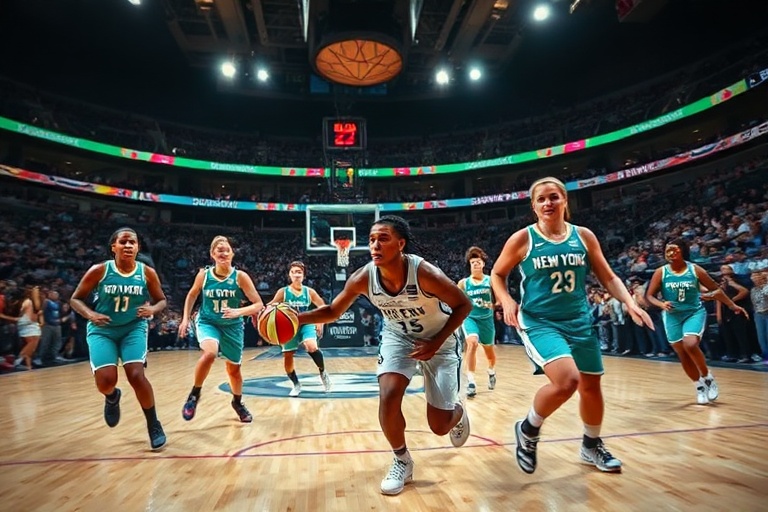
Based at the iconic Madison Square Garden in Manhattan, the Liberty have cultivated a fanbase that reflects New York’s diversity and passion. Their matches draw crowds that mirror the city’s energy, blending die-hard basketball enthusiasts with casual sports fans who come for the spectacle. The franchise’s journey mirrors broader trends in women’s sports: rising visibility, growing investment, and increasing demand for professional opportunities for female athletes. As the WNBA expands its reach globally, the Liberty play a pivotal role in shaping the future of basketball beyond the United States.
The Rise of a New York Icon
From the moment the Liberty took the court in 1997, they established themselves as contenders. Led by stars like Rebecca Lobo and Teresa Weatherspoon, the team reached the WNBA Finals in their first four seasons—a record that remains unmatched. Those early years were marked by gritty, defensive-minded basketball, a style that became synonymous with the franchise. Weatherspoon’s legendary half-court buzzer-beater in 1999 against the Houston Comets remains one of the most iconic moments in WNBA history, cementing the Liberty’s reputation as a team that thrives under pressure.
The franchise’s identity was forged in those formative seasons. The Liberty didn’t just play basketball; they played a brand of basketball that reflected New York’s hustle and resilience. Even as roster turnover and financial constraints posed challenges in the 2000s, the team remained a consistent presence in the playoffs. By the 2010s, with stars like Cappie Pondexter and Tina Charles leading the way, the Liberty reemerged as championship contenders. Their resurgence coincided with a broader shift in the WNBA, where teams began prioritizing star power and marketability to attract broader audiences.
Ownership, Investment, and the Madison Square Garden Era
Ownership changes have significantly shaped the Liberty’s trajectory. In 2019, Joe Tsai, co-founder of Chinese tech giant Alibaba, acquired the team, bringing a level of financial stability and ambition previously unseen in the franchise. Tsai’s investment allowed the Liberty to relocate their home games to the newly renovated Barclays Center in Brooklyn, a move aimed at tapping into a younger, more diverse fanbase. The transition from Manhattan to Brooklyn was more than a geographic shift—it was a cultural statement, signaling the franchise’s commitment to innovation and accessibility.
Under Tsai’s ownership, the Liberty have embraced a global vision. The team has prioritized international scouting, recruiting players from Europe, Australia, and Asia, reflecting basketball’s increasingly globalized nature. Stars like Sabrina Ionescu, a standout from the University of Oregon, have become faces of this new era. Ionescu’s arrival in 2020 marked a turning point, as the Liberty drafted her with the first overall pick and positioned her as the franchise’s cornerstone. Her dynamic playstyle and media savvy have helped elevate the team’s profile, both within the WNBA and on the global stage.
This international approach extends beyond the roster. The Liberty have cultivated partnerships with global brands and leveraged digital platforms to reach fans worldwide. Their social media presence is particularly strong, offering behind-the-scenes content, player interviews, and interactive fan experiences. In a league where visibility often determines success, the Liberty have positioned themselves as pioneers in digital engagement, setting a standard for how WNBA teams can connect with audiences beyond traditional markets.
Cultural Impact and the Globalization of Women’s Basketball
The Liberty’s influence extends far beyond the basketball court. The franchise has become a cultural touchstone, particularly in discussions about gender equity in sports. The WNBA has long been at the forefront of advocacy for women athletes, from fighting for equal pay to promoting social justice initiatives. The Liberty have been vocal participants in these efforts, using their platform to amplify issues like racial justice, LGBTQ+ rights, and gender equality. Players like Ionescu and Betnijah Laney have become advocates, using their voices to challenge systemic barriers in sports and society.
Globally, the Liberty have played a role in the rising popularity of women’s basketball. The WNBA has seen steady growth in international viewership, with games broadcast in over 200 countries. The Liberty’s participation in FIBA tournaments and exhibition games abroad has helped foster connections with basketball communities in Europe and Asia. In countries where basketball is already a beloved sport, the Liberty have become ambassadors for the WNBA’s high-flying, skillful style of play. Their games draw fans who may not traditionally follow women’s sports, drawn in by the athleticism and entertainment value on display.
This global appeal is reflected in the Liberty’s fanbase. Social media analytics show a significant portion of their online audience comes from countries like the Philippines, Australia, and the United Kingdom. The team’s embrace of cultural diversity—both on the court and in their marketing—has resonated with international fans who see themselves reflected in the players’ backgrounds and stories. The Liberty are not just a New York team; they are a global brand, representing the universal appeal of women’s sports.
The Road Ahead: Challenges and Opportunities
Despite their successes, the Liberty face challenges as they look to the future. The WNBA remains the only major professional women’s sports league in the U.S. without a dedicated national television deal, a hurdle that affects revenue and visibility. The Liberty, like other WNBA teams, rely heavily on local partnerships and digital revenue to sustain operations. The franchise’s ability to innovate in marketing and fan engagement will be critical in overcoming these limitations.
Another challenge is maintaining competitiveness in a league that grows more talented every year. The Liberty’s roster is deep, with a mix of seasoned veterans and young talent, but the margin for error in the WNBA is slim. Injuries, roster turnover, and the unpredictable nature of playoff basketball mean that success is never guaranteed. However, the franchise’s commitment to player development and smart drafting provides a foundation for sustained excellence.
For the Liberty, the path forward is clear: continue building a team that reflects the diversity and dynamism of New York and the world. By investing in youth programs, global scouting, and digital innovation, the franchise can ensure its place at the forefront of women’s basketball. The Liberty are not just chasing championships—they are shaping the future of the sport.
As the WNBA continues to expand its global footprint, the Liberty stand as a testament to the power of women’s sports. They are more than a team; they are a movement, a cultural force, and a symbol of what is possible when talent, ambition, and opportunity align. The journey is far from over, but the Liberty are poised to leave an indelible mark on basketball and beyond.
Key Takeaways from the New York Liberty’s Journey
- Historical Dominance: The Liberty’s early years set the standard for excellence in the WNBA, with four consecutive Finals appearances in their first four seasons.
- Cultural Evolution: From their defensive roots to today’s high-flying offense, the Liberty have adapted while maintaining their identity as a team that plays with heart and hustle.
- Global Expansion: Under Joe Tsai’s ownership, the Liberty have embraced a global vision, recruiting international talent and engaging fans worldwide.
- Advocacy and Impact: The franchise uses its platform to advocate for social justice and gender equity, aligning with the WNBA’s broader mission.
- Future Outlook: With a strong roster and innovative strategies, the Liberty are well-positioned to remain a leader in women’s basketball for years to come.
The New York Liberty’s story is one of resilience, innovation, and cultural significance. As they continue to redefine what it means to be a professional women’s basketball team, they offer a blueprint for how sports franchises can thrive in an ever-changing world. For fans of basketball and advocates of women’s sports, the Liberty are a team to watch—and a team to celebrate.