Myrtle Beach: A Global Vacation Hub Beyond Just Beaches
Myrtle Beach: A Global Destination Where Sun, Sand, and Culture Collide
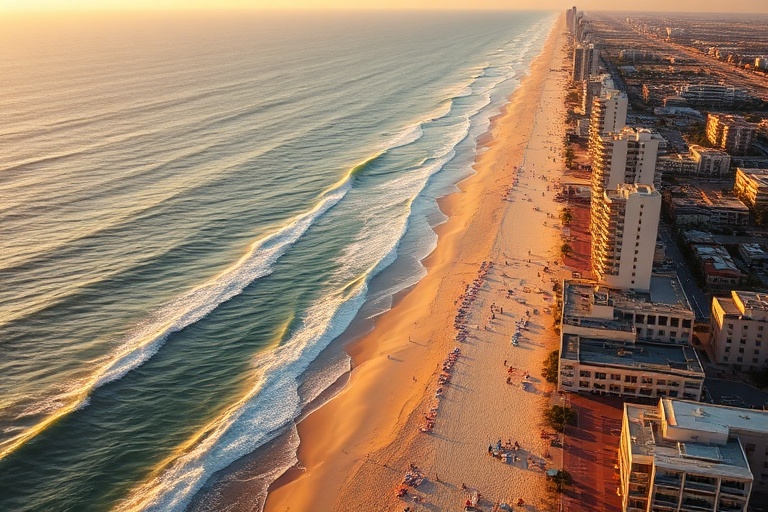
Myrtle Beach, South Carolina, is far more than just a stretch of coastline along the Atlantic. It has evolved into a vibrant international destination that blends natural beauty with entertainment, attracting millions of visitors each year. The city’s appeal spans generations and cultures, offering everything from family-friendly attractions to high-energy nightlife. Unlike many coastal towns that rely solely on seasonal tourism, Myrtle Beach has cultivated a year-round identity that adapts to shifting global trends in travel and leisure.
The region’s transformation from a quiet fishing village to a bustling resort hub reflects broader shifts in how people experience travel. In the mid-20th century, Myrtle Beach was a modest getaway for Southern families. By the 1980s and 1990s, it had expanded into a full-fledged vacation destination with towering hotels, golf courses, and amusement parks. Today, it competes with top-tier coastal cities worldwide, drawing comparisons to places like Cancún, Miami, and the French Riviera—though with a distinctly American twist.
The Cultural Tapestry of Myrtle Beach
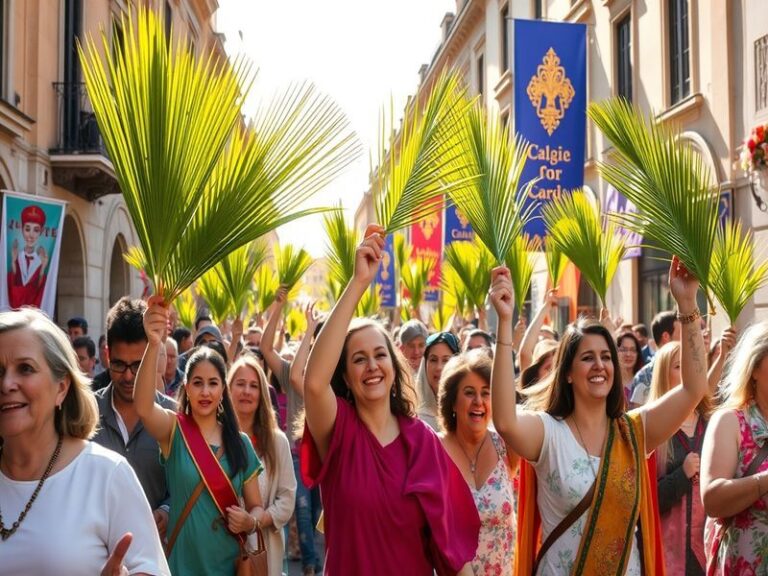
Myrtle Beach’s identity is shaped by its diversity. The city hosts events that celebrate everything from country music to international cuisine, creating a melting pot of influences. The Music scene, for example, is a cornerstone of its appeal. The Carolina Opry, a legendary venue, has hosted acts ranging from bluegrass legends to pop stars, proving the city’s versatility. Meanwhile, the annual Myrtle Beach Bike Week attracts motorcycle enthusiasts from across the globe, turning the city into a temporary hub for subcultures that transcend borders.
Food is another lens through which Myrtle Beach’s cultural richness is visible. The city’s dining scene reflects its global connections. Seafood shacks serving fresh-caught shrimp and grits sit beside authentic Mexican taquerias and upscale Italian restaurants. The influence of international tourists—particularly from Canada, Europe, and Latin America—has shaped the local palate, leading to a fusion of flavors that feels both familiar and exotic. Even the city’s street art and murals, which adorn buildings downtown, draw inspiration from diverse artistic traditions.
This cultural mosaic is not accidental. Myrtle Beach has actively curated its image to appeal to a wide audience. By hosting festivals like the Myrtle Beach International Film Festival and the Blue Crab Festival, the city positions itself as a hub for creativity and community engagement. These events attract artists, filmmakers, and foodies, ensuring that the city remains relevant beyond the summer tourist season.
Golf and Sports Tourism: The Economic Backbone
Golf is the lifeblood of Myrtle Beach’s economy. With over 100 courses, the city is one of the world’s premier golf destinations, often referred to as the “Golf Capital of the World.” The sport’s global appeal has made Myrtle Beach a magnet for travelers from Japan, the United Kingdom, and beyond. Courses like Dunes Golf & Beach Club and Caledonia Golf & Fish Club are not just sporting venues; they are cultural landmarks that attract visitors who treat the trip as a pilgrimage.
The sports tourism industry extends beyond golf. Myrtle Beach is home to minor league baseball teams, professional volleyball tournaments, and even annual surfing competitions. The Grand Strand, the stretch of coastline that includes Myrtle Beach, has become a training ground for athletes from diverse disciplines. Surfing, in particular, has seen a surge in popularity, with the city hosting events like the Eastern Surfing Championships. This has drawn a younger, more adventurous crowd, diversifying the city’s visitor base.
The economic impact of sports tourism is substantial. According to the Myrtle Beach Area Chamber of Commerce, the region generates over $10 billion annually from tourism, with a significant portion tied to recreational activities. The city’s investment in sports infrastructure—such as the Sports Center at the Myrtle Beach Pelicans stadium—reflects a long-term strategy to maintain its competitive edge in the global tourism market.
Challenges and the Future of Myrtle Beach
Despite its success, Myrtle Beach faces challenges that are common to many mass tourism destinations. Overdevelopment has led to concerns about environmental degradation, particularly along the coastline. Erosion and rising sea levels threaten the very beaches that draw millions. The city has responded with initiatives like beach renourishment projects and stricter building codes, but the balance between growth and sustainability remains delicate.
Another challenge is the perception of Myrtle Beach as a “spring break” destination, which can overshadow its family-friendly and luxury offerings. The city has worked to rebrand itself as a year-round escape, emphasizing its cultural and recreational diversity. Campaigns like “Visit Myrtle Beach” now highlight the region’s golf, dining, and arts scenes alongside its traditional appeal.
Looking ahead, Myrtle Beach is positioning itself as a smart tourism destination. The city is investing in technology to enhance the visitor experience, from mobile apps that guide tourists to real-time updates on traffic and events. There’s also a growing emphasis on eco-tourism, with eco-friendly resorts and guided nature tours gaining traction among environmentally conscious travelers.
Why Myrtle Beach Matters in the Global Tourism Landscape
Myrtle Beach’s story is a microcosm of global tourism trends. It demonstrates how a destination can evolve from a local attraction to an international powerhouse by adapting to changing consumer preferences. The city’s ability to reinvent itself—whether through sports, culture, or sustainability—offers lessons for other coastal towns facing similar pressures.
What sets Myrtle Beach apart is its authenticity. Unlike some tourist hotspots that feel manufactured, Myrtle Beach retains a sense of place. The scent of saltwater mingling with the aroma of Southern barbecue, the sound of waves crashing against the shore, and the warmth of Southern hospitality are all part of its enduring charm. These elements create a connection that goes beyond the typical vacation experience.
As the world becomes increasingly interconnected, destinations like Myrtle Beach will continue to play a vital role in shaping how people travel. They remind us that tourism is not just about escapism; it’s about discovery, connection, and the shared experiences that bring us together. Myrtle Beach, with its sun, sand, and soul, is a place where those experiences come to life.