Exploring the Global Impact and Future of Cruise Lines
The Rise of Cruise Lines: A Global Perspective
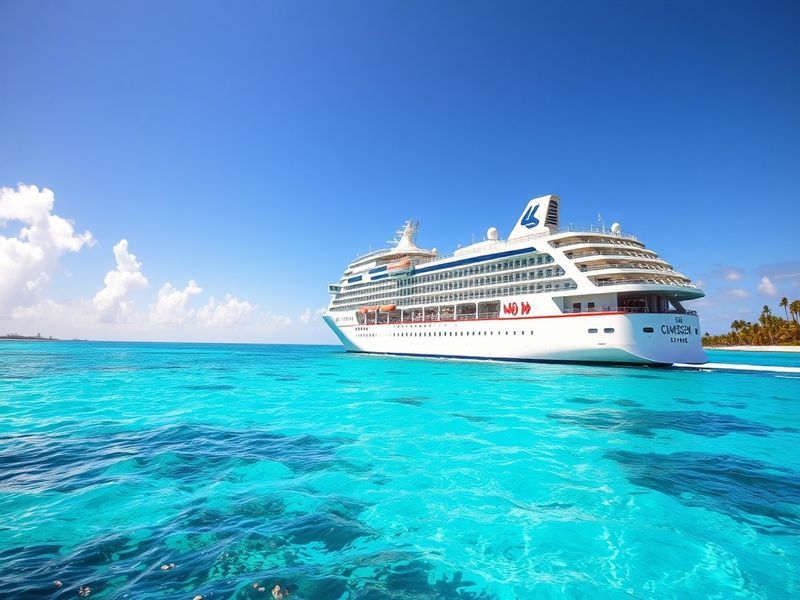
Cruise lines have transformed the way people experience travel, offering a unique blend of relaxation, entertainment, and exploration. As a popular mode of vacationing, they cater to a diverse clientele from various cultural backgrounds. The industry has seen significant growth over the past few decades, evolving to meet the demands of modern travelers.
Understanding the Cruise Experience
At its core, a cruise is more than just a journey across the sea; it is an all-encompassing experience that combines luxury with adventure. Passengers enjoy a range of amenities, including fine dining, entertainment options, and excursions at various ports of call. This multifaceted approach appeals to families, couples, and solo travelers alike.
Cruise lines operate on various itineraries, from short weekend getaways to extensive world cruises. Each journey allows passengers to explore multiple destinations without the hassle of constant packing and unpacking. This convenience is particularly appealing to those wishing to visit several locations in a single trip.
Popular Cruise Lines and Their Offerings
The cruise industry features numerous companies, each with its unique offerings. Here are some of the most renowned cruise lines:
- Carnival Cruise Line: Known for its fun atmosphere and budget-friendly options, Carnival targets families and young travelers.
- Royal Caribbean International: This line focuses on adventure and innovation, featuring activities like rock climbing and surfing simulators.
- NCL (Norwegian Cruise Line): Offers a more relaxed atmosphere with its “freestyle cruising,” allowing passengers to dine and engage in activities at their leisure.
- Princess Cruises: Known for its emphasis on itineraries that highlight cultural experiences and local immersion.
Cultural Impact of Cruise Travel
Cruise travel has not only affected the tourism industry but also the economies and cultures of the destinations it touches. Ports of call often experience an influx of visitors, leading to increased business for local shops, restaurants, and attractions. However, this surge can also bring challenges, such as overcrowding and environmental concerns.
The impact of cruise lines varies globally. In regions like the Caribbean, where tourism is a significant economic driver, cruise ships provide a vital source of income. Conversely, in more developed areas, the influx of tourists can strain local resources and alter community dynamics.
Environmental Considerations
As the cruise industry grows, so do the environmental concerns associated with it. Issues such as waste management, fuel consumption, and the preservation of marine ecosystems have come under scrutiny. Many cruise lines are beginning to implement more sustainable practices, such as:
- Investing in cleaner fuel options to reduce emissions.
- Implementing waste management systems that recycle and treat waste onboard.
- Supporting local conservation efforts in the destinations they visit.
These initiatives are essential for the long-term viability of the industry and the preservation of the natural beauty that attracts travelers in the first place.
The Future of Cruise Lines
The future of cruise lines appears promising, with ongoing innovations and a growing emphasis on personalization. Advancements in technology are enhancing the customer experience, from mobile apps that streamline the boarding process to onboard virtual reality experiences.
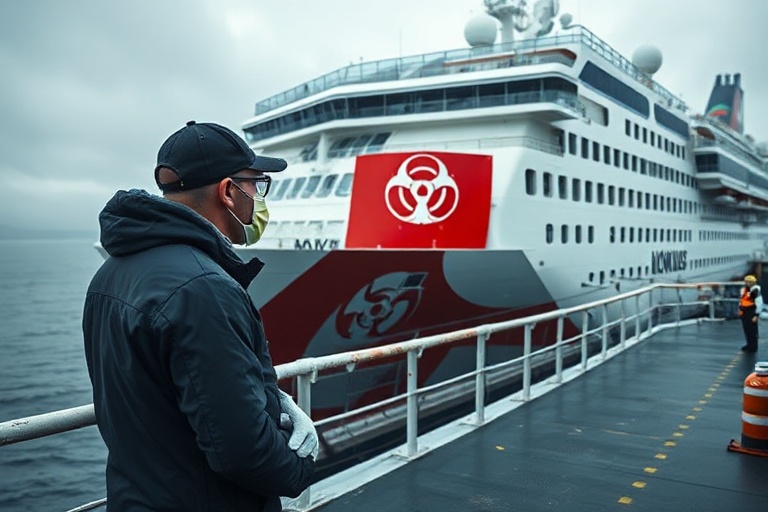
Moreover, the industry’s recovery from recent global challenges is underway. As travel restrictions ease, cruise lines are adapting by introducing flexible booking policies and health protocols to ensure passenger safety. This adaptability will be key in regaining traveler confidence.
As cruise lines continue to evolve, they will need to balance the demands of travelers with the responsibilities they hold towards local communities and the environment. The ability to create memorable experiences while being conscious of their impact will define the next chapter of the cruise industry.
In conclusion, cruise lines offer a unique travel experience that appeals to a wide range of travelers. While they bring economic benefits to many destinations, they also face challenges that require thoughtful consideration. As the industry moves forward, a commitment to sustainability and cultural respect will be crucial in shaping its future.