Scotland Snow: How Winter Shapes the Nation’s Landscape
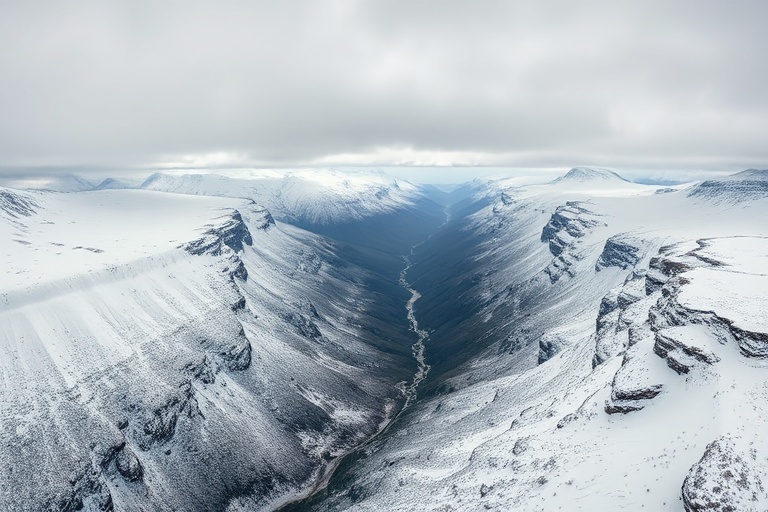
The first heavy snowfall of the season in Scotland doesn’t just bring white blankets to the hills—it rewrites the rhythm of daily life across the country. From the peaks of the Cairngorms to the cobbled streets of Edinburgh, Scotland’s relationship with snow is as complex as it is beautiful. Each winter brings its own story, whether it’s a picturesque dusting or a paralyzing blizzard that tests the resilience of communities.
This year’s snow events have been particularly noteworthy. Meteorologists recorded snowfall accumulations in some regions that haven’t been seen in over a decade. The combination of Arctic air masses colliding with moisture from the Atlantic created ideal conditions for heavy, wet snow—especially in the Central Belt and northern Highlands. Schools closed, trains were delayed, and emergency services braced for increased callouts as temperatures dropped below -10°C in sheltered glens.
The Science Behind Scotland’s Snowfall
Scotland’s geography plays a crucial role in its winter weather. The country’s proximity to the Gulf Stream typically brings milder maritime air, but when high pressure systems block this flow, Arctic or polar continental air masses can push southward. These cold air masses often collide with moisture from the Atlantic, producing prolonged snow events.
According to the Met Office, Scotland experiences an average of 20 to 30 days of snowfall per year, with higher elevations like the Cairngorms and Ben Nevis seeing significantly more. The heaviest snowfalls tend to occur between December and February, though unseasonal snow has been recorded as early as October and as late as April in recent years.
Several factors contribute to the intensity of snowfall:
- Elevation: The higher the terrain, the more persistent and heavier the snow. The Cairngorms, at over 1,200 meters, often receive snow from October through May.
- Wind direction: Easterly or northeasterly winds bring the coldest air, increasing the likelihood of snow even at lower levels.
- Sea surface temperatures: Warmer Atlantic waters can enhance moisture, leading to heavier snowfall when cold air arrives.
- Urban heat islands: Cities like Glasgow and Edinburgh often see less snow accumulation due to the warming effect of buildings and traffic.
Impacts on Communities and Infrastructure
While snow in Scotland is often welcomed by skiers and photographers, its impact on daily life is significant. The country’s infrastructure, much of which was designed without extreme winter conditions in mind, frequently struggles to cope.
Transport networks are particularly vulnerable. Roads like the A9, a critical route between Scotland’s two largest cities, have been shut down multiple times in recent winters due to drifting snow and icy conditions. Rail services are often delayed or canceled, especially on rural routes where snowplows struggle to keep tracks clear. Even Edinburgh Airport has faced disruptions, with flights grounded during heavy snowfall.
The human cost can be steep. Older adults, people with disabilities, and those in isolated rural areas face heightened risks during prolonged snow events. Power outages are common, particularly in the Highlands and Islands, where overhead lines are vulnerable to ice and wind. In January 2023, over 20,000 households in the north of Scotland were left without power for several days following a severe snowstorm.
Cultural and Economic Implications
Scotland’s relationship with snow is deeply cultural. Winter landscapes have inspired centuries of poetry, art, and music, from Robert Burns’ winter-themed works to contemporary films shot in the snowy Highlands. Yet, the economic impact is often overlooked.
The tourism sector is heavily affected. While snow brings skiers and winter walkers to resorts like Aviemore and Glenshee, unseasonable warmth or lack of snow can devastate local economies. The Scottish ski industry, already struggling with climate change, faces an uncertain future. According to a 2022 report by Forestry England, Scotland’s ski centres could see a 50% reduction in viable snow days by 2050 if current warming trends continue.
Meanwhile, agriculture suffers. Sheep farmers in the uplands face increased lambing losses during harsh winters, while frozen ground delays planting seasons. The cumulative effect on rural economies is substantial, with knock-on effects for food prices and supply chains.
Looking Ahead: Preparing for a Changing Climate
Climate change is altering Scotland’s winter patterns. While overall snowfall may decrease in the long term, the intensity of individual events could increase due to a warmer atmosphere holding more moisture. This paradox means Scotland must prepare for both heavier snowfalls and longer periods without snow.
Local authorities and emergency services are adapting. Investment in snowplows, gritting routes, and public awareness campaigns has increased, particularly in vulnerable areas. The Scottish Government’s Climate Change Adaptation Programme includes measures to improve winter resilience, from better road maintenance to enhanced flood defenses.
Community resilience is also growing. Volunteer groups, such as the Scottish Mountain Rescue teams, play a vital role in assisting stranded travelers and livestock during snowstorms. Social media platforms have become essential tools for sharing real-time updates, organizing assistance, and coordinating snow-clearing efforts.
As Scotland navigates an uncertain winter future, one thing remains clear: snow will continue to shape the country’s identity. Whether it’s a gentle dusting on the Trossachs or a blizzard in the Pentlands, each snowfall tells a story of resilience, adaptation, and the enduring power of nature.
For those interested in Scotland’s broader environmental challenges, explore related topics on Science and Travel at Dave’s Locker, where we examine the intersections of culture, climate, and landscape.