Nintendo Switch Games: A Global Gaming Phenomenon Explored
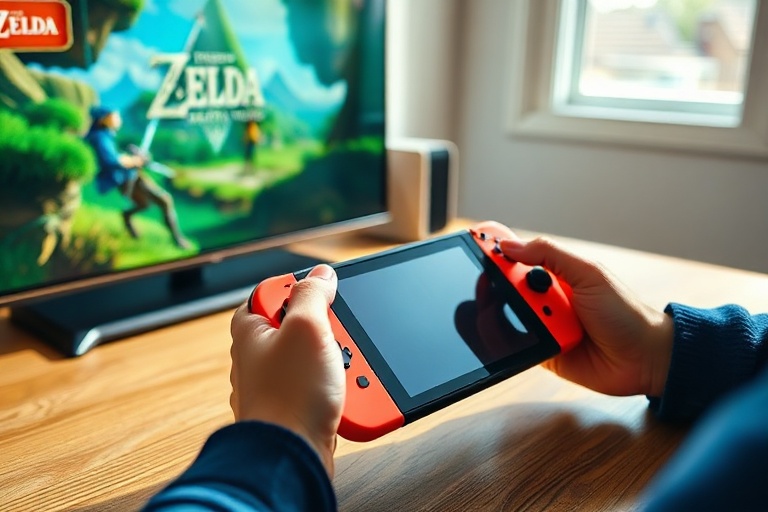
The Nintendo Switch has redefined portable gaming since its launch in March 2017. With over 140 million units sold worldwide, its hybrid design—combining home console and handheld play—has attracted a diverse audience. This adaptability has led to an expansive library of games that cater to different tastes and cultures.
From family-friendly adventures to competitive esports titles, the Switch ecosystem supports a wide range of experiences. Its success isn’t confined to any single market; instead, it thrives across North America, Europe, and Asia, each region contributing to its global appeal. The console’s library plays a crucial role in this success, offering something for everyone.
The Evolution of Nintendo’s Game Library
Nintendo’s game library has always been a cornerstone of its identity. With the Switch, the company expanded its reach by embracing both first-party exclusives and third-party collaborations. Early titles like The Legend of Zelda: Breath of the Wild set a high standard, blending open-world exploration with intuitive controls.
As the console matured, Nintendo introduced franchises like Animal Crossing: New Horizons, which became a cultural event during the pandemic. Its relaxed gameplay and social features provided an escape during lockdowns, resonating globally. Meanwhile, third-party developers began optimizing their games for the Switch, further enriching the library.
The console’s versatility also allowed for unique experiences like Ring Fit Adventure, which combined fitness with gaming—a concept that appealed to health-conscious players in Japan and beyond. This adaptability has kept the Switch relevant across multiple demographics and regions.
First-Party Titles That Define the Switch
Nintendo’s first-party games remain the heart of the Switch experience. Franchises like Mario, Pokémon, and Metroid have evolved with the console, introducing new mechanics and visual styles. Super Mario Odyssey, for example, showcased the Switch’s motion controls while maintaining the series’ signature charm.
Pokémon Sword and Shield brought the classic RPG formula to the Switch, with regional variants that reflected real-world biodiversity. This approach not only honored the series’ roots but also introduced fresh ideas that resonated with global audiences.
The Switch also revived dormant franchises like Fire Emblem and Kirby, introducing them to younger players. These titles, often overlooked in past generations, found new life thanks to the console’s accessibility and marketing.
Third-Party and Indie Games: A Diverse Ecosystem
While first-party games drive sales, third-party and indie titles have been instrumental in broadening the Switch’s appeal. The console’s hybrid nature made it an ideal platform for games like Stardew Valley, which thrived on both handheld and docked modes.
Developers like Devolver Digital and Team17 ported their games to the Switch, capitalizing on its portability. Titles such as Hades and The Escapists 2 became unexpected hits, proving that the Switch could support deep, narrative-driven experiences.
Indie games have also flourished on the Switch, thanks to Nintendo’s support for smaller studios. Games like Celeste and Hollow Knight gained critical acclaim while maintaining modest budgets. Their success highlights the console’s role as a platform for innovation and creativity.
Regional Trends and Cultural Impact
The Switch’s global success is shaped by regional preferences and cultural trends. In Japan, Nintendo’s heritage ensures strong sales for franchises like Pokémon and Animal Crossing. Meanwhile, Western markets have embraced Mario Kart 8 Deluxe as a social party game, making it one of the console’s best-selling titles.
Europe, with its diverse gaming culture, has seen a mix of indie and AAA titles perform well. Games like Overcooked! 2 and Untitled Goose Game became viral hits, appealing to European audiences’ love for quirky, multiplayer experiences.
The Switch’s portability has also made it a favorite in regions with limited space for home consoles. In densely populated cities like Tokyo and Seoul, players appreciate the ability to game on the go. This adaptability has cemented the Switch’s place in urban gaming culture.
Esports and Competitive Gaming on Switch
While not traditionally known for esports, the Switch has carved out a niche in competitive gaming. Titles like Super Smash Bros. Ultimate and Pokkén Tournament DX have established dedicated player bases, particularly in North America and Europe.
Nintendo’s support for esports events, such as the Super Smash Bros. Ultimate World Championship, has helped legitimize competitive play on the platform. These events attract thousands of viewers and foster a sense of community among players.
The Switch’s hybrid design also allows for unique esports experiences, such as local multiplayer tournaments in arcades or gaming cafés. This flexibility has made it a favorite for grassroots competitive scenes.
The Future of Nintendo Switch Games
As the Switch approaches the end of its lifecycle, its game library continues to grow. Upcoming titles like The Legend of Zelda: Tears of the Kingdom and Super Mario Bros. Wonder promise to push the console’s limits further.
Nintendo’s focus on remastering classic titles, such as Metroid Dread and Kirby and the Forgotten Land, ensures that the Switch remains a must-have for collectors and newcomers alike. These releases highlight the console’s ability to bridge generational gaps.
The Switch’s legacy will likely extend beyond its discontinuation, thanks to its vast library and cultural impact. As Nintendo prepares for the next generation, the lessons learned from the Switch’s success will shape the future of gaming.
What’s Next for Nintendo and Its Fans
Nintendo’s next console, expected in 2025, will undoubtedly build on the Switch’s innovations. However, the current generation’s library ensures that the Switch remains relevant for years to come. Its games continue to inspire creativity, competition, and connection among players worldwide.
For fans, the Switch represents more than just a console—it’s a companion for countless memories. Whether playing solo, with friends, or online, the Switch’s library offers something for every type of gamer.
As we look ahead, one thing is certain: the Nintendo Switch has left an indelible mark on gaming history. Its games will be remembered as milestones in interactive entertainment.